Meta CEO Mark Zuckerberg has apologized about releasing CSAM, deepfake content and not doing enough to operate the company's social media services, sources say. Large technology companies have been criticized for their moderation of bad content and compliance with digital safety laws for years.
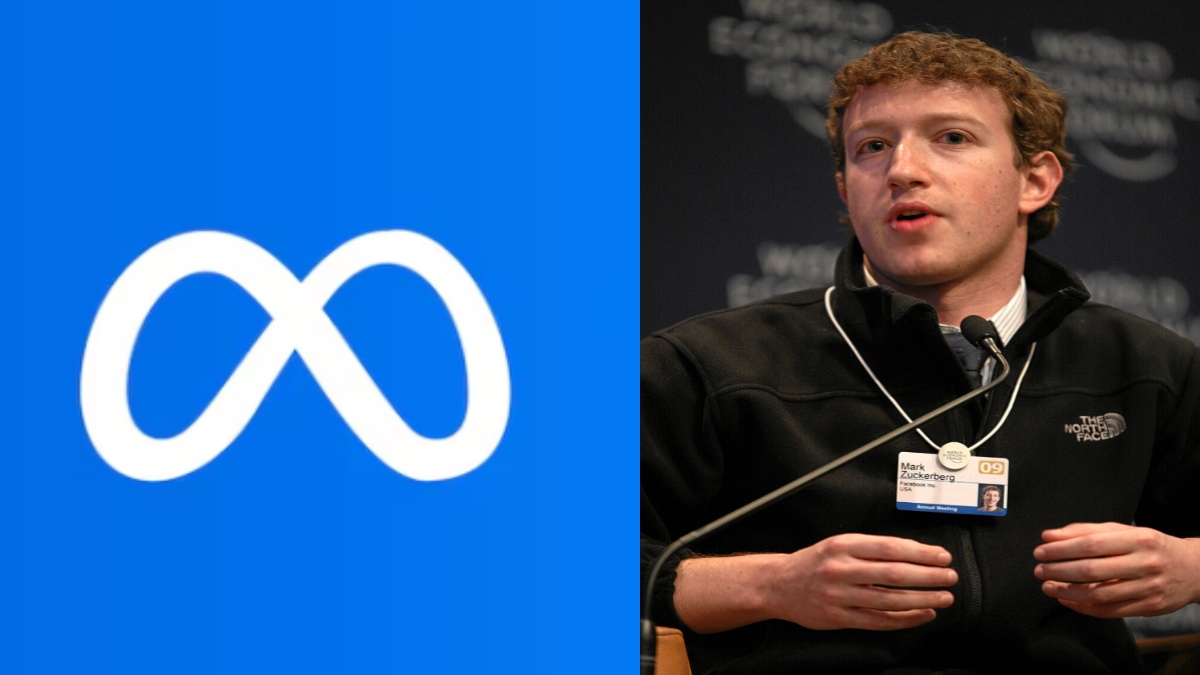
According to sources, Meta’s content-related behavior has raised concerns as to whether it is still considered an intermediary in law (in practice) and will only be considered an intermediary in the future. Officials have also argued that if a platform actively determines how content is recommended, promoted or delivered to users, its legal obligations may be greater than that of an intermediary. It has also raised concerns about the need for safe harbour protection under the Information Technology Act of India.
These discussions highlight the growing global concern over the spread of harmful online content, including CSAM and AI-generated deepfake material. Governments and regulators in several countries are stepping up their efforts to hold digital platforms accountable for the abuse of their services and to improve the detection and removal of illegal content.
CSAM is still one of the most serious types of illegal content found on digital platforms. Technology companies must have robust systems capable of identifying, reporting and removing such content rapidly and cooperatively with law enforcement agencies worldwide. Platforms are also expected to invest heavily in artificial intelligence tools, content moderation teams and user reporting mechanisms in order to prevent the publication of abusive material.
An even bigger problem is the explosion of deepfake tech. Thanks to advances in artificial intelligence, it is now easy to create fake images, audio and videos that lie to consumers, damage reputations, expose corruption or spread misinformation. Regulators around the world have been concerned that current protections are not sufficient to stop the torrent of AI-generated content on the internet.

According to the sources, Meta representatives were informed that the company's role in determining content visibility through recommendation algorithms could affect its legal status. Often intermediary platforms receive some legal protection from regulators as they only host third-party content without having editorial control. But regulators are increasingly examining whether algorithmic recommendations, personalized feeds and content amplification are more active in publishing information.
Safe harbour in India’s Information Technology Act protects intermediaries from liability for third-party content if they adhere to due diligence and legal obligations. These protections are intended to promote innovation and ensure that platforms will be in good faith with authorities and remove unlawful content if necessary. But failure to fulfill statutory requirements and engage in content dissemination may bring regulatory scrutiny.
Meta's discussions are part of a global trend to strengthen digital platform accountability. Government bodies in India, the European Union, the United States, Australia, and numerous other countries have introduced or proposed stricter rules for online safety, content moderation, transparency and user protection. Technology firms are required to provide transparency reports, enhance moderation systems and respond more quickly to harmful content.
Meta has said they spend billions of dollars every year on safety, security and content moderation. The company has also been using AI-powered detection systems, human review teams, user reporting tools and partnerships with child safety organizations to find and remove harmful material. Meta has also been working on initiatives to label AI-generated content and improve transparency in manipulated media.
Digital policy experts believe that the balance between protecting free expression and user safety will remain one of the biggest challenges facing regulators and technology companies. While social media platforms are a great way for billions of people to communicate and share information, they also face increasing pressure to prevent misuse without unnecessarily restricting legitimate speech.
Digital platforms operating in India can be further affected by the latest developments and questions on legal responsibilities. As artificial intelligence and cyber threats evolve and become more sophisticated, regulators will need to revisit existing regulatory frameworks to ensure they still work effectively in addressing emerging risks.
For internet users, this case is a reminder to watch out for what you read online. Checking on sources and being cautious of manipulated videos or images is advisable. Reporting illegal or harmful content through official platform reporting tools is also recommended.
As far as Zuckerberg's comments and the discussions with authorities are concerned, any formal regulatory action or legal determination on Meta's intermediary status or safe harbour protections will depend on the legal process and decisions taken by the competent authorities. The issue is likely to remain an important topic in the ever-evolving debate on digital governance, platform responsibility and online safety.