A huge fire close to Madrid has already brought Spain to its knees, and emergency services are on high alert. Fire and smoke are threatening communities around the city and forcing people to leave, and emergency services are on high alert as they work to evacuate them.
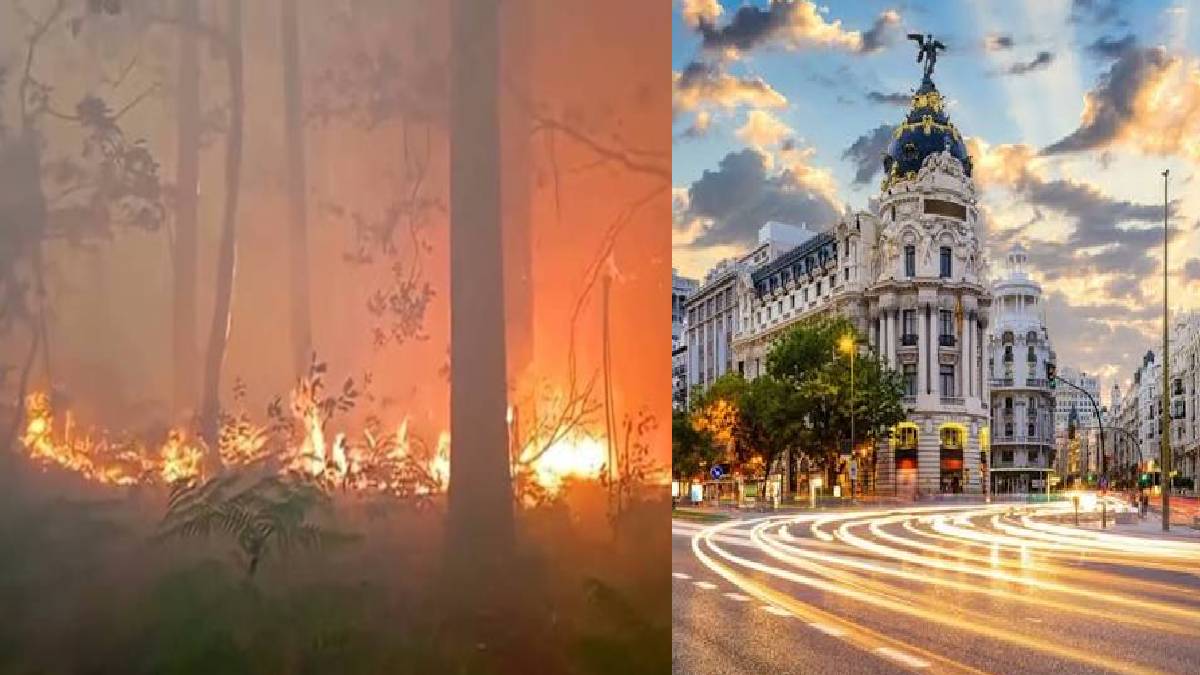
The declaration of a national emergency highlights the gravity of the situation, and the Spanish government can respond with increased resources and coordination of response efforts in all regions, including the firefighters battling the flames.
Dry vegetation, strong winds and high temperatures have driven wildfires across huge swaths of land that emergency workers have to contend with. There are fire crews, backed up by helicopters, water-dropping aircraft and ground personnel on call all the time to stop the fires from getting into more densely populated areas.
As a precautionary measure, authorities evacuated people from vulnerable neighborhoods near the fire zones. Emergency shelters were set up for displaced families and local officials are monitoring the fire and issuing updated safety advisories.
Several roads in the affected areas have been temporarily closed for firefighting and public safety activities, and road access has been restricted. Residents who don’t want to travel around areas in the affected areas should avoid unnecessary travel and should follow evacuation orders in advance of time to evacuate.
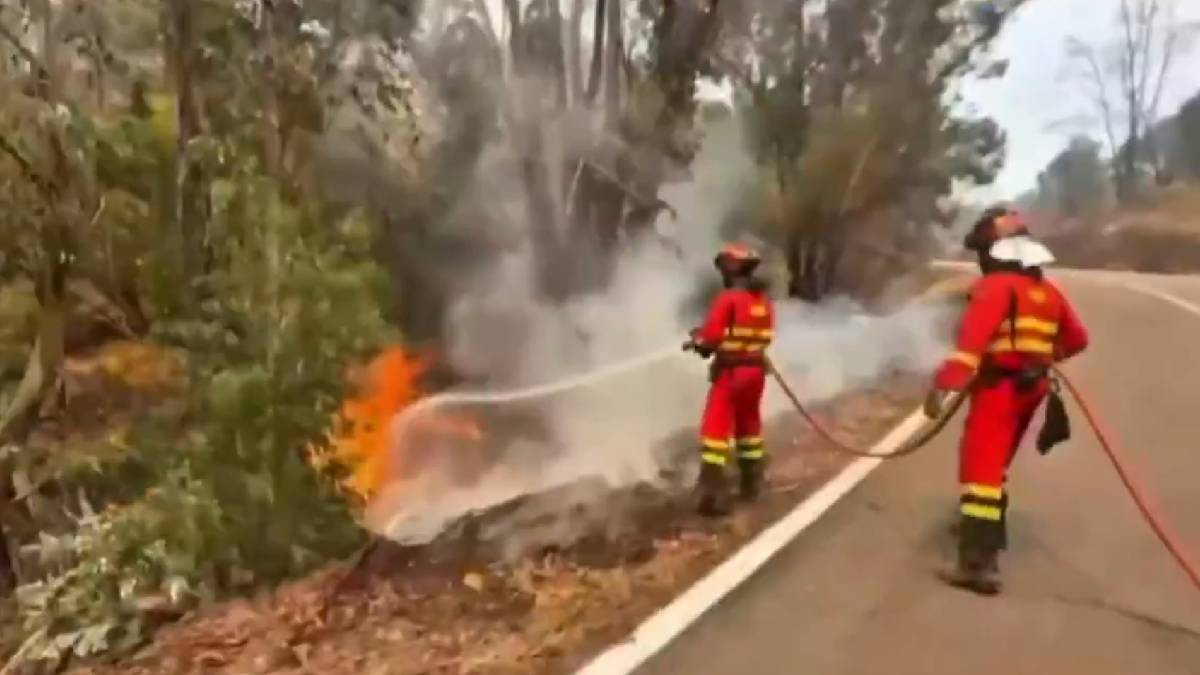
Emergency response is a coordinated effort by several agencies—regional fire services, civil protection authorities, law enforcement agencies, military emergency units, etc.—to contain the fire, take care of people, save lives and minimize any damage to homes, infrastructure and natural ecosystems.
But the fires have also caused smoke, so very heavy smoke has reached the air quality in some of Madrid and around it, and in other parts of the country in general. Health authorities have advised residents—particularly children, the elderly and those with respiratory problems—to stay indoors whenever possible and follow health advice.
Spain has experienced increasingly severe wildfire seasons in recent years, and long heat waves and drought have led to fast-moving forest fires. Scientists have also pointed out that hotter temperatures and a changing climate pattern are driving longer and more intense wildfire seasons in southern Europe.
Fires have also impacted forests, agricultural fields, and wildlife habitat not only in residential areas but also in agricultural land in general. Recovery of damaged ecosystems will take years, environmental experts say, depending on the extent and intensity of the fires.
Emergency teams are still on the job and are working to bring the wildfires under control.
Government officials have appealed to the public to cooperate fully with emergency services and avoid entering restricted zones. They have also reminded citizens to rely on official sources for updates and emergency instructions as the situation evolves.
Spain’s emergency management is now concerned with communities and infrastructure and their safety as firefighting works continue. With weather conditions on the rise and the fires’ course being determined by that weather, national authorities are on high alert to stay in the emergency phase until the situation is resolved.
The crisis is another reminder of the growing challenges posed by extreme weather events and the need to be prepared for our environment’s challenges and to have an integrated emergency response and long-term plan to reduce wildfire risks.