The traditional practice of “Leblouh” in Mauritania (also known as “gavage” or force-feeding) has long been a source of concern for girls and young women. Historically, people encouraged or in some cases forced girls to eat much more food to gain weight before marriage. In some cases, girls were fed up to 10,000 calories a day, much more than their normal diet would allow, because they were considered to be more beautiful, more prosperous, more fertile, and of higher social status in some parts of the country.
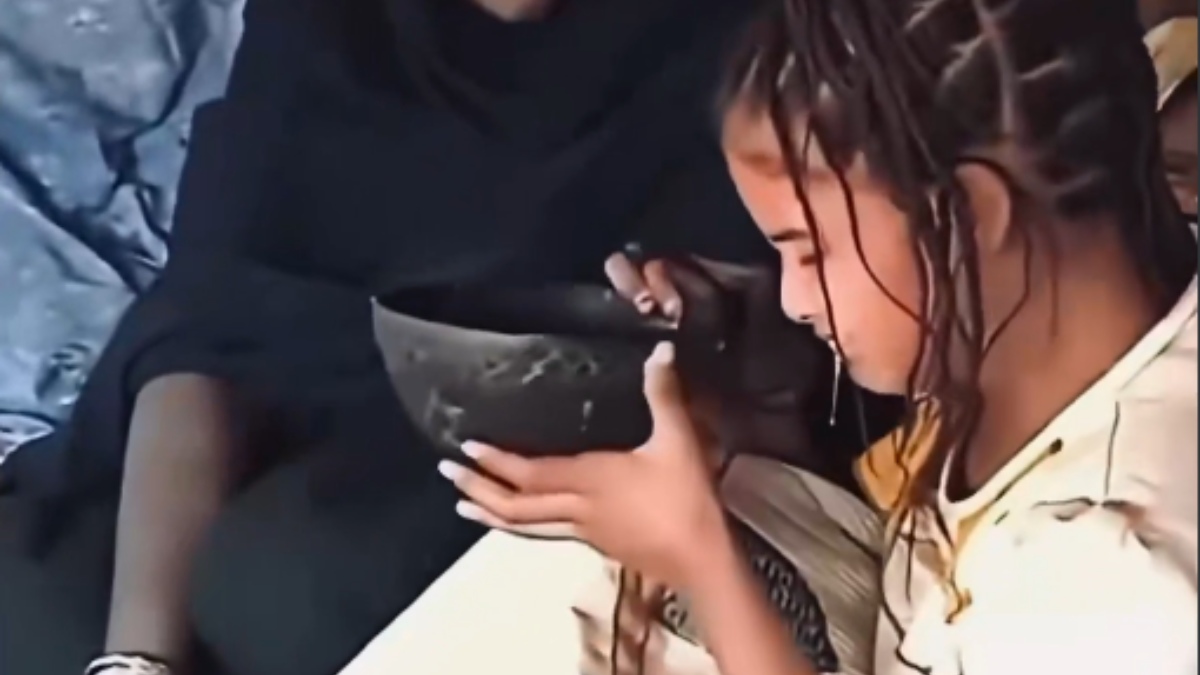
Leblouh has an inherited heritage that is rooted in history and cultural customs that have been developed over generations. In some communities, a higher body size was believed to mean a woman’s family was financially secure and she could afford food. Bigger body size and the need for marriage were also associated with maturity and readiness for marriage. These beliefs were cultural norms of local society at the time but have been altered by changing social attitudes, health concerns, and international human rights codes.
Health professionals and human rights organizations have reported that some of the girls who were taking part in Leblouh were expected to consume milk, porridge, couscous, dates, butter, and other calorie-dense foods for years. Children were also forced to continue eating even when they were not happy, and the prevalence and severity of such behaviors have varied from region to region and family to family. Researchers say not all communities in Mauritania practice Leblouh, and it has declined in some areas over time.
Medical experts say that consuming very high-calorie diets in a short period can have serious health consequences. Rapid weight gain may cause obesity, diabetes, cardiovascular disease, high blood pressure, joint problems, and other long-term complications. The force-feeding can also have a negative impact on children and adolescents’ development and psychological health.
Other than health concerns, the practice is also being criticized by child rights and women’s rights advocates because girls may not have much or no choice but to do it. Children’s health, dignity, education, and overall development need to be protected from harmful practices that can have harmful effects on them, international organizations say. They advocate for informed consent, bodily autonomy, and access to healthcare and education.
Mauritania has been undergoing major social changes over the last few decades. Modern urbanization, better education, access to media, and public health campaigns have impacted young people’s perception of beauty and health. Mauritanians today would not necessarily take part in force-feeding and instead prefer healthier living and balanced food.
Government and civil society groups and international organizations have also worked to raise awareness of the health risks associated with harmful traditional practices and have also promoted health promotion. Public education campaigns have focused on nutrition, maternal health, child protection, and women's empowerment as well as encouraging healthier ways of living and community health.
Cultural traditions are always changing in response to changing economic, educational, and social conditions, anthropologists say. Practices once considered socially desirable might be gradually diminished as people learn about new information, health, and broader human rights. Understanding the historical context of customs like Leblouh can help inform discussion without reducing an entire society to a single practice.
But observers argue against portraying Mauritania solely through the lens of Leblouh. Mauritania, as we know it, has a rich cultural heritage, diverse communities, and a constant fight to improve education, healthcare, and women's participation in public life. Many Mauritanian activists and community leaders have been working on reforms and challenging outdated social norms.
The debate over Leblouh is also a bigger picture: unrealistic beauty standards are prevalent. In various parts of the world, people have different beauty standards in place, from extreme thinness, muscularity, or body size. Health personnel are now stressing the importance of beauty not only in a work environment and physical or mental health but also body positivity that is based on the health of the body and not a set of cultural expectations.
International public health experts recommend healthy eating, regular physical activity, and information about healthcare as good alternatives to extreme dietary practices. They emphasize children’s rights and how to make decisions for the young about their bodies as they grow older as well.
The traditional gavage practice of the Islamic Republic of Mauritania is a custom that forcibly fattens girls aged 5-15 for marriage.
— Dr. Maalouf (@realMaalouf) July 6, 2026
They are force-fed milk or high-calorie foods multiple times a day. If they refuse, they are subjected to torture and having their toes crushed. pic.twitter.com/itEFKYyPY2
Even as Leblouh has become less common today, discussion of the practice has never been more important from culture, health, gender equality, and human rights. As communities evolve, we are all in a battle to maintain cultural traditions, but also to avoid harmful practices that are health-damaging or inconsistent with the modern standards of child protection and individual autonomy.