More than 70% of the overseas suicides of Indian nationals have been reported in Gulf countries, according to figures from the Ministry of External Affairs (MEA). And the figures have increased the importance of welfare measures, improvements in mental health support and protection for Indians working abroad in the Gulf region, which is home to one of the largest Indian diaspora populations in the world.

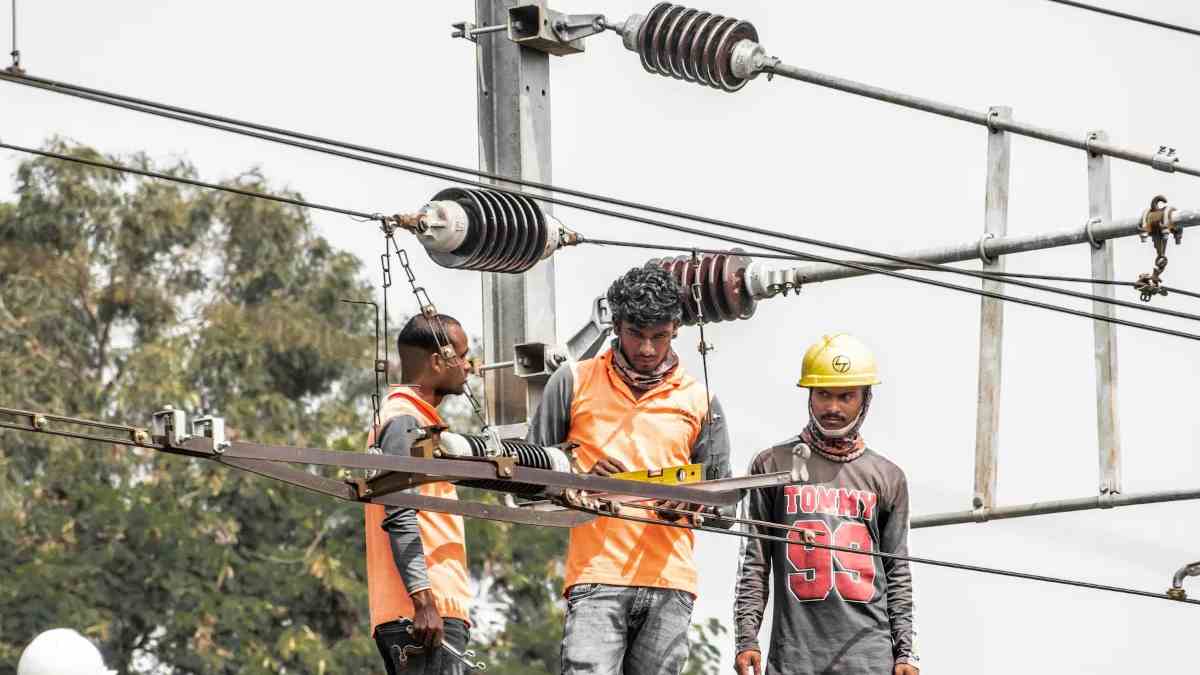
The Gulf region (UAE, Saudi Arabia, Qatar, Kuwait, Oman, Bahrain) has long been a popular destination for Indian migrant workers. Millions of Indians are presently employed in various sectors, including construction, healthcare, hospitality, transportation, domestic services, retail and engineering. The region has also made huge contributions to India’s economy through millions of rupees’ worth of remittances sent home each year by expatriate workers.
According to MEA data, the high percentage of reported suicides in Gulf nations should be understood in the context of the region’s large Indian population. The Ministry has not linked the deaths to one cause, and experts caution against drawing conclusions based on statistics alone. Every case is unique and could be personal, financial, medical, family or work-related and are all subject to individual investigation.
Migrant workers may experience a variety of stress in the environment away from home, said mental health professionals. There are long distance family relationships, financial demands, demands for work, cultural adjustments, language barriers and limited social support networks that create stress on people’s emotional stability. And some workers may also be feeling uncertain about employment, housing, legal procedures and how to deal with work conditions, all of which can compound the psychological stress.
Experts stress that recognising these challenges does not mean all overseas workers experience similar difficulties. Millions of Indians continue to build successful careers abroad and contribute positively to their host countries and India’s economy. Yet the data underscores the need for accessible support systems for people who may encounter hardships while living overseas.
The Government of India has taken various steps to safeguard the interests of Indian citizens working abroad over the years. Indian embassies and consulates have their own support lines, labour wings and grievance redressal mechanisms for employment disputes, legal issues, emergencies or any other issue to help people. When labour welfare is a concern for workers in any industry and if needed the Ministry of External Affairs coordinates the labour welfare of the host nation with host governments and provides assistance.
Several Gulf countries have implemented labour reforms to improve employment conditions, strengthen worker protections, improve dispute resolution mechanisms and improve employer accountability. India and Gulf countries have bilateral agreements in place as well to ensure safe migration, fair recruitment practices, worker rights and social security cooperation.
Labour experts believe that strengthening pre-departure orientation programmes can further enhance migrant welfare. Such programmes teach prospective workers about employment contracts, legal rights, local laws, healthcare services, financial planning, cultural expectations and emergency assistance available in destination countries. Better understanding of arrival procedures will allow workers to be better equipped to cope with life overseas.
Mental health professionals also have recommended expanding access to confidential counselling services, multilingual helplines, community outreach programmes and peer support groups for overseas Indians. Community organisations and Indian associations across Gulf countries often play an important role in helping newcomers integrate into local communities, receive information and receive help during times of crisis.
India’s families can also contribute greatly by regularly communicating with relatives working abroad and encouraging emotional support, rather than imposing excessive financial obligations on migrant workers. Open discussion of stress, health, and well-being can encourage individuals to go to the doctor when they need help.
The MEA data reinforced the need for a comprehensive approach to migrant welfare, beyond job opportunities. Even while overseas jobs continue to provide a very great economic boost to millions of Indian families, the physical, emotional and psychological welfare of workers are as important to us.
Government agencies, employers, diplomatic missions, community organisations and host countries all have an important role to play in creating a supportive environment for migrant workers. Cooperation, better welfare services and awareness about the available support will enhance protections for the Indian diaspora.
As India is still the largest source of international migrant workers and the latest data is a reminder that migration needs to be accompanied by a universal support system that is based on dignity, safety and well-being. The MEA data is to be used as input in the ongoing debate on welfare policies and the development of support systems for Indians employed and living overseas.