Climate change is now regarded as one of the defining challenges of the 21st century, and scientists are warning about its long-term implications. Satellite and climate data recently indicated that global sea levels are on the rise, and this indicates flood risk for many coastal communities worldwide by 2050. Social media and early headlines on climate change may paint this as a future apocalypse, but scientists say that the threat is real and is much more complex than that.
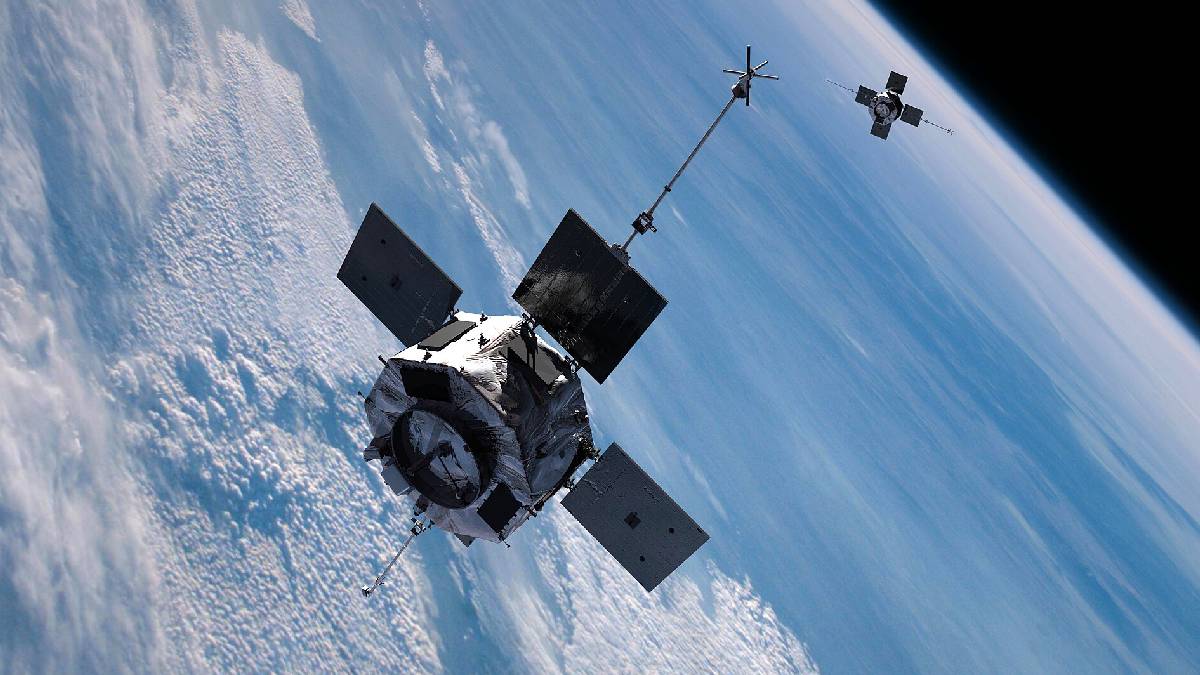
NASA and other scientific organisations have been monitoring global sea levels for decades with current satellite missions such as the Sentinel-6 Michael Freilich satellite. Sea levels are rising rapidly because of ice melt and seawater expansion with the warming, and this is a concern for low-lying coastal areas, they said.
According to scientific predictions, parts of the United States are heading toward dramatic increases in sea level in the future. The Gulf Coast is one of the most vulnerable areas. Louisiana and parts of Texas may see some of the highest relative sea-level increases due to a combination of ocean rise and land subsidence. New Orleans and Houston already have a long history of flooding problems, and could see more frequent and severe flooding in the future.
Florida’s coastal communities are also among the most vulnerable. Miami, Tampa, and the surrounding coastal areas are already experiencing periodic flooding during high tides and experts say sea-level rise will make those events more frequent and potentially more destructive. Coastal regions in Georgia and South Carolina may be even more vulnerable to storm surges and tidal flooding.
Norfolk, Virginia, and other cities with rising seas and sinking land are especially vulnerable on the U.S. East Coast. Major metropolitan cities like New York City and Boston are also likely to be more vulnerable to flood threats, especially in the face of extreme weather and hurricanes. The cities don’t plan to disappear entirely by 2050, but have to be rebuilt.
Scientists have also looked at a natural lunar cycle known as the lunar nodal cycle that affects tides every 18.6 years. Some coastal areas may experience increased flooding in the 2030s due to this cycle for now. But scientists stress that the Moon itself is not the cause of climate change. Rising sea levels and natural tidal cycles could lead to flooding in vulnerable areas.
The economic and social consequences of rising seas could be large. Rising flood waters could ruin roads, ports, airports, homes, and critical infrastructure. Coastal erosion might force communities to move, and governments should spend billions of dollars on adaptation such as seawalls, drainage systems, and resilient infrastructure projects.
Climate scientists stress that future outcomes are very much dependent on actions that are taken today. We believe that reducing greenhouse gas emissions, changing energy sources, better coastal planning, and investing in climate resiliency can dramatically reduce the long-term risks. The problems are huge, not to say the situation is inevitable doom, it is to say we need to act now.
The ongoing satellite missions of NASA continue to provide us with that kind of crucial data that governments, researchers, and communities need to know to make a plan for the future for what’s going to happen to us, and so we do need to plan for future change. The climate science is crystal clear: sea levels are rising, risk is rising, the threat is increasing, and we need to get on the job now to save our vulnerable coastal areas of the world and the world’s vulnerable coastal regions.