While the world around us continues its daily routine, four astronauts know a view of the heavens never before seen by the human eye. In the middle of the night, on Monday 6 April 2026, the crew of NASA’s Artemis II mission saw a total solar eclipse on the far side of the Moon.
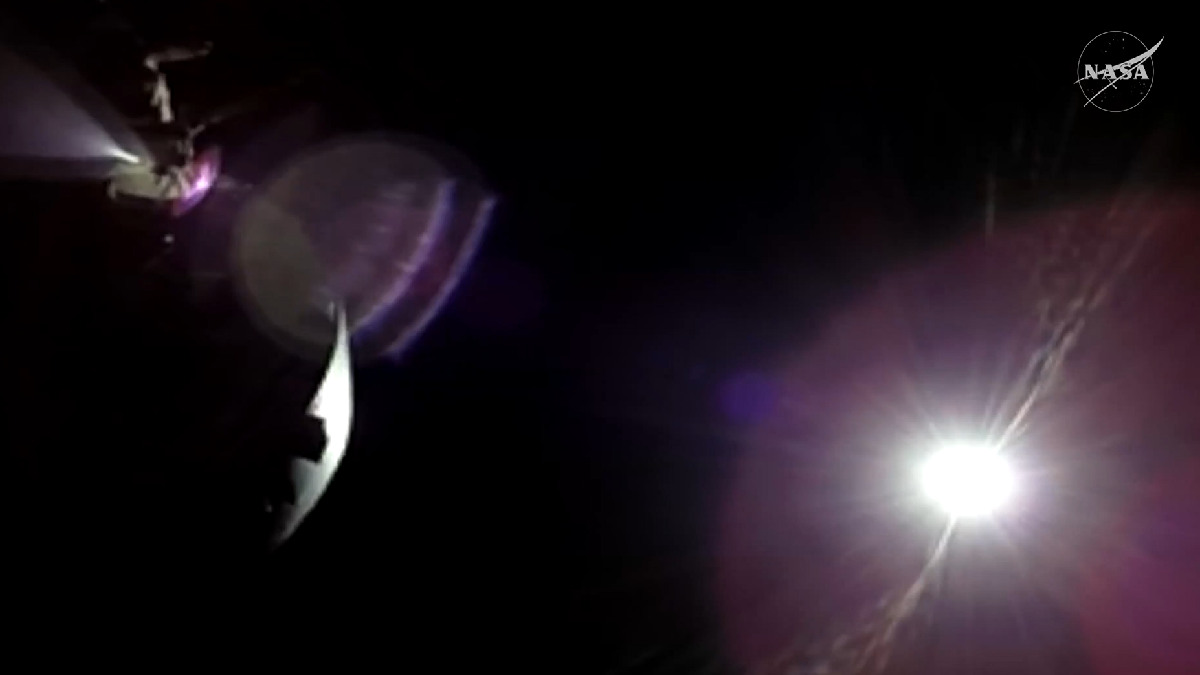
The crew of Integrity, the Orion spacecraft, was there to see a massive black lunar disk swallowing a smaller Sun and seeing the fires burning brightly in the Sun's corona for 57 minutes. The eclipse was the “grand finale” to a big day of history.
Just hours before the Sun disappeared behind the Moon, the crew was on track at 252,756 miles (406,771 km) at 7:07 PM ET to set the distance record in space (NASA) for humans, surpassing the record from Apollo 13 crew in 1970 by more than 4,000 miles. "It is blowing my mind what you can see with the naked eye from the Moon right now," Canadian astronaut Jeremy Hansen radioed back to Mission Control. "It is just unbelievable.”
The Eclipse from the “Far Side.”
The eclipse occurred when the spacecraft was in its “Loss of Signal” (LOS) phase, when the Moon blocked all radio communication with Earth for 40 minutes. In the still dark side of the Moon far from us, astronauts wore special eclipse glasses to watch the Sun go behind the cratered horizon in darkness.
🌞🌕🧑🚀
— NASA (@NASA) April 7, 2026
Right now, the Orion capsule is passing behind the Moon, so the Sun is entirely eclipsed from their perspective. During this time, they will view a mostly darkened Moon and will use the opportunity to analyze the solar corona. pic.twitter.com/PWDPfZKxGh
Orion: The Corona: The Sun’s outer atmosphere was more clear and organized without Earth’s atmosphere. The crew watched the “Blue Marble” sink below the lunar horizon when the eclipse started and the Moon was completely covered by the sky. The Moon was not directly shining on its far side but the astronauts were able to see tiny geological features on the Moon's far side.
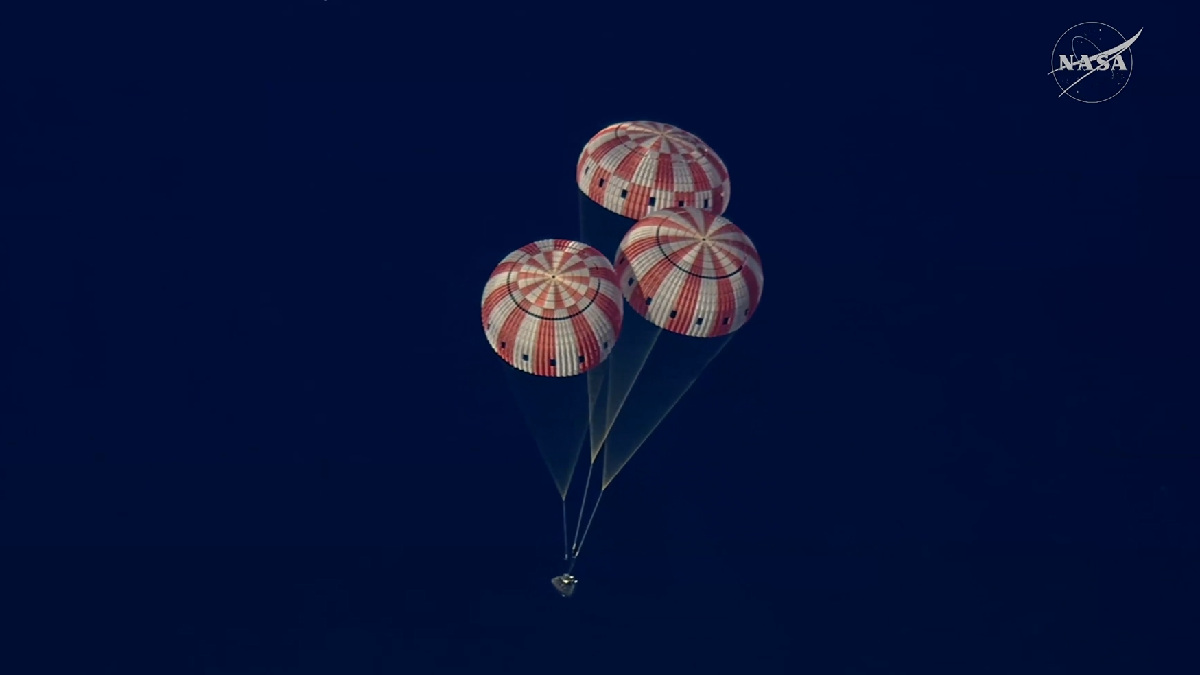
Artemis II is now able to be home and ready. The crew’s work on Earth will be done in 4 days with final systems checks, live broadcasts and a lot of selfies with the world. And now the mission is over. This successful mission opens the way for Artemis III -- that is, the first woman and the first person of color that will land on the lunar surface in 2028.