A social media trend of the toy ‘Natasha’ has triggered controversy and criticism after videos of the doll being beaten up by other people started to circulate online. We have seen what happened to the video on Chinese social media and in other countries, and it has led to questions about content moderation, violence, and racial stereotyping.
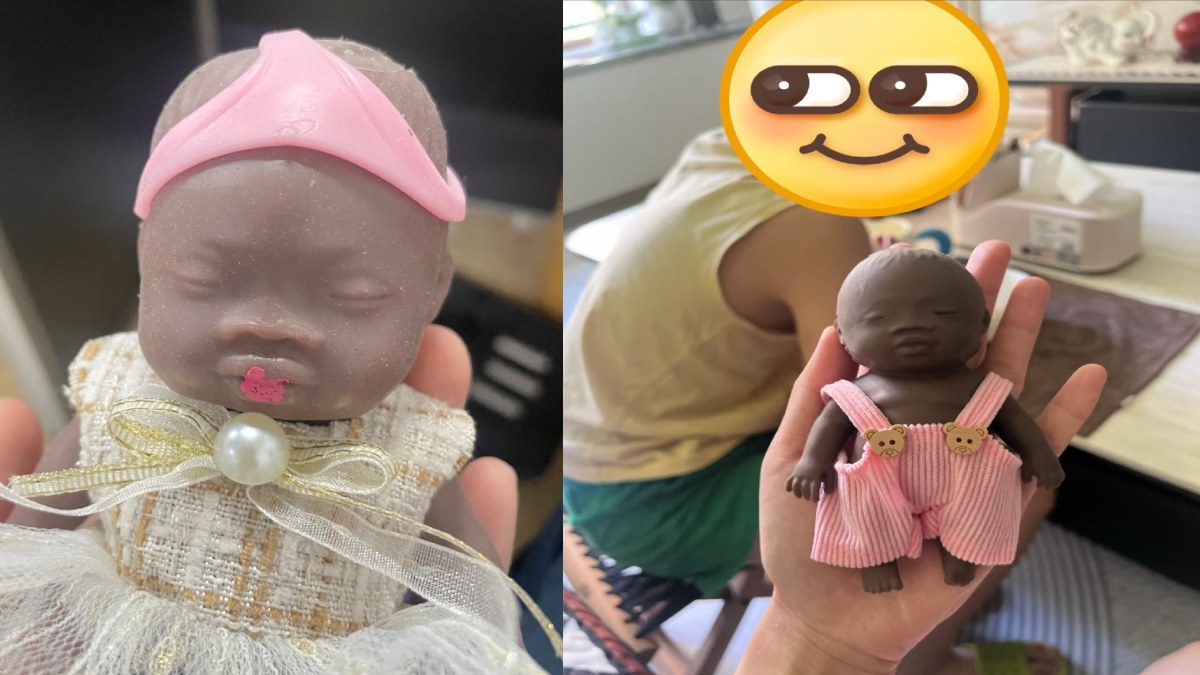
The Natasha doll is thought to look like a dark-skinned child. Videos posted on social media show people hitting, dragging, throwing, stretching, stomping on and otherwise abusing the doll. Many times, the actions are portrayed as entertainment, stress relief or humorous, and they get millions of views and interactions online.
The trend was growing, but some videos in which people boiled the dolls and made graphic displays of mistreatment were getting more and more popular. Video viewers and advocacy groups were quick to call into question both the purpose and the consequences of such videos.
The controversy caught the attention of media outlets, too, after they reported on the concerns raised by Black people in Hong Kong and anti-racism activists. The dolls were targeted in the same way in several instances to replicate a dark-skinned child, critics said, and the repeated targeting of a doll made to look like a child of dark skin was not harmless fun.
Much of the criticism in China had initially centred on the violent content itself. Consumer protection organisations and state media were concerned that the videos, in particular, could contribute to aggression and could affect the children and young viewers who are exposed to such material online.
Psychologists in child psychology and media studies have long warned that repeated exposure to violent content can shape attitudes and behaviour, especially when children are young. While toys have been used in comedy and entertainment videos as an actor/actress in the past and still are, critics say this way: Natasha dolls are all over the map as a type of child-friendly and violent entertainment.
As the videos spread overseas, the debate went beyond violence. Social media users seemed to have a lot of racial connotations for the doll. Some said the images of a dark-skinned doll repeatedly being tortured and humiliated were disturbing, even if the creators were not trying to.
The trend has been widely discussed on social media. Many users were sad and uncomfortable seeing the videos and questioned why a toy depicting a child would have such violent content.
Some online pundits have argued that the trend is indicative of wider social media algorithms that are known to prioritise shocking or controversial content more widely and therefore, to be more widely viewed: the more shocking or controversial content that can be seen, the more likely that the viral audience is going to be there. As such, some say artists may push the envelope and go way too far if they’re trying to get more people’s attention and more viral views.
The content moderators who are for tighter content moderation have asked social media platforms to assess the videos and whether they conflict with the policies for harmful or violent content. Some have also asked the platforms to consider the potential social impact of trends that normalise aggressive behaviour.
The Natasha doll controversy is just the most recent example of how viral internet trends can rapidly turn into cultural debates. This small social media phenomenon began as a social media phenomenon, but now has international discussions about online responsibility, content standards, representation, and digital culture as a whole.
The topic of social media plays a central role in shaping the public debate and how we are balancing freedom of expression with the concerns about harmful content on social media platforms, to the point that the media and the industry at large.