Pakistan’s economic crisis has driven nearly three out of every ten citizens below the national poverty line and that is only a fraction of the social and financial problems that the country is facing. The years of increasing inflation, falling wages, ballooning public debt, falling industrial output and climate-related disasters have all combined to drive millions of families into economic distress.
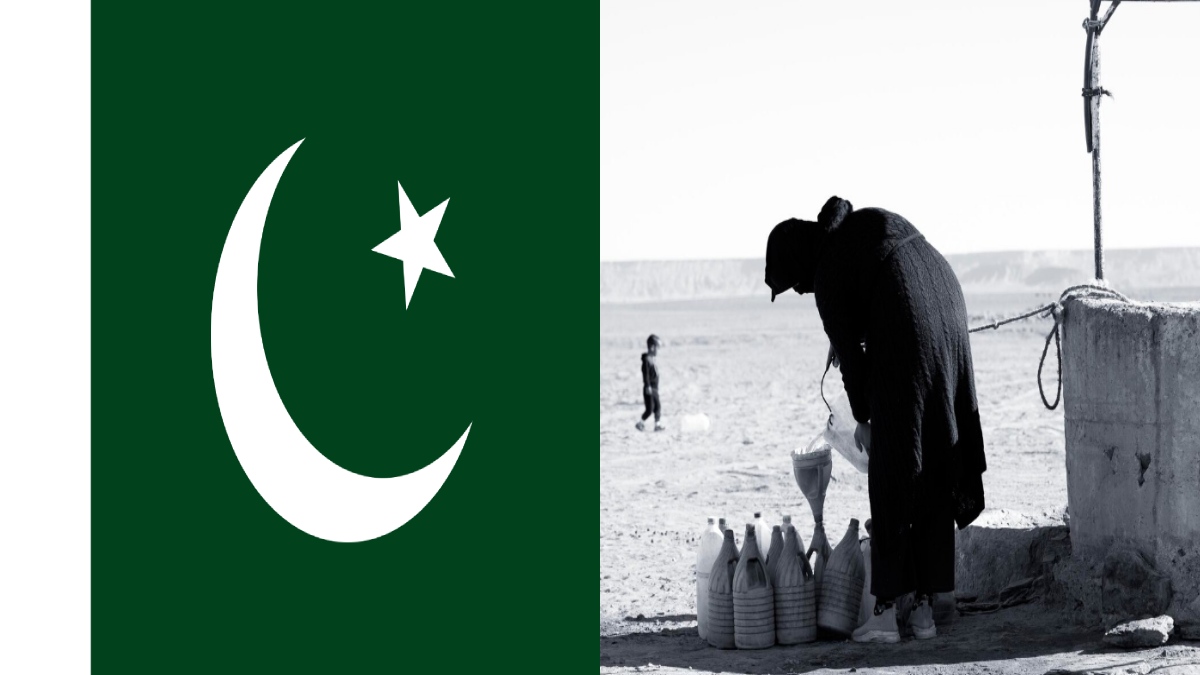
As of now about 29% of Pakistan's population is in poverty, one of the country’s biggest socioeconomic setbacks in recent years. The increase in poverty is also evidence of macroeconomic unrest, low employment opportunities, and rising cost of essential goods and services.
For millions of Pakistani families, food, fuel, electricity, health care and education prices continue to rise. Inflation has undermined purchasing power and many families are unable to pay basic living costs despite still being employed. Low-income families have been particularly affected: they have had to cut food consumption significantly, withdraw children from school and put off medical treatment because they have no money to pay them.
Pakistan’s economy has been hit by multiple shocks over the past several years. The devastating floods that struck much of the country caused widespread destruction of agricultural land, infrastructure and livelihoods. Agriculture, which is a major part of Pakistan’s workforce, suffered huge losses and rural people’s income and food prices went down drastically.
At the same time Pakistan is struggling with a rising external debt burden and a lack of foreign exchange reserves. The country has asked international lenders (the IMF, as well as other international lenders) to help prevent a balance-of-payments crisis from taking place as national financial resources have been depleted. IMF-backed reform efforts have been trying to restore some fiscal discipline but these reforms have involved subsidy cuts, tax hikes, and energy price adjustments that have also put additional pressure on the common man.
Urban populations have not been spared either. Manufacturing companies have fallen victim to high energy costs and limited imports of raw materials and low levels of business confidence and industrial production in the period of lower manufacturing production and lower manufacturing activity have made it difficult to create jobs and the labor market has been slowly shrinking in the sector and the economy has been weakened as well. Young people entering the labor market are finding it increasingly difficult to find stable jobs, as well small and medium-sized businesses have been finding it difficult to cope with increasing operational costs.
Economists stress that poverty is not only an income issue but also affects access to health care, nutrition, education and social mobility. Children growing up in an impoverished household are more likely to suffer from malnutrition, disrupted education, and long-term economic disadvantage and their future human capital development, they say.
The government has also been expanding social protection programs in the form of cash assistance programs for the poorest families. But experts say these programs only can’t offset the widespread impact of inflation and weak economic growth. More extensive structural reforms, increased investment, stronger governance, greater tax collection and more support for productive sectors are all essential for sustainable poverty reduction.
International organizations have stressed the importance of creating jobs, improving education, strengthening healthcare systems, and investing in climate resilience to reduce future economic vulnerability. Such climate-related disasters are among Pakistan’s most serious threats so resilience and agricultural adaptation are now at the forefront of Pakistan’s development agenda.
Despite the challenges, in the long term Pakistan has great economic potential given its young population, strategic geographic location and wide range of economic opportunities. But to realize this potential it will take long-term political stability, investor confidence, policy implementation, and continuous structural reforms.
So far, the country’s immediate challenge is to protect its poorest citizens from the deepening cost-of-living crisis, then to restore economic stability and create inclusive growth opportunities. With almost one-third of the population now living below the poverty line, poverty has become not only an economic necessity but also a social issue for Pakistan’s future.