Rohit Sharma’s future in India’s ODI team could finally be resolved in the upcoming selection committee meeting in the upcoming week around September 18 or 19. With the 2027 World Cup heading towards the country, it’s up to the Indian selectors whether the veteran opener still merits a place in the team’s long-term plan or the team should shift its attention to younger players.
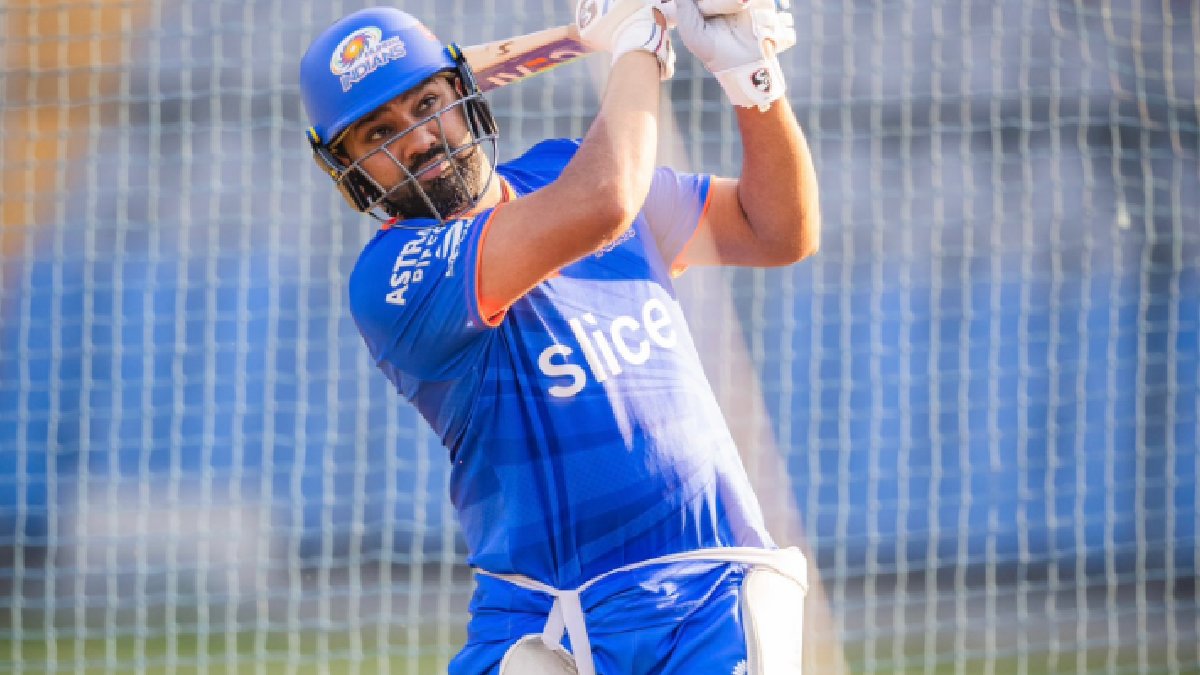
The upcoming three-match ODI series against the West Indies could be a good indication of the thinking of India. The series will begin on 27 September and the squad announcement should give us a clear picture of the plan of Rohit to be in the selection committee’s eyes. If Rohit is selected then the team management will be saying everything they need to think about him for the 2027 World Cup and so on.
Rohit’s future is one of the most important issues in Indian cricket for many months. There has been speculation about Rohit’s future for quite some time and the BCCI’s recent review meeting did not bring any concrete decision about Rohit’s ODI career as a former captain of India. The BCCI Secretary Devajit Saikia also didn't add fuel to the retirement speculation by not talking about Rohit’s recent performance and not to the retirement debate and instead cited Rohit’s recent performances as proof he can still continue to perform at the top level, and also as a professional batsman.
One of the bigger questions for the selectors is whether India should continue with Rohit or provide more opportunities for Yashasvi Jaiswal. The younger opener is seen as a key part of India’s future of ODI cricket; there are now more ODI players who think he should be given a chance in ODI cricket as preparations for the 2027 World Cup gather momentum.
In the end, age is an unavoidable factor. Rohit will be over 40 by the time the 2027 ODI World Cup begins, so succession becomes a more pressing topic. And Indian cricket has traditionally targeted the younger players ahead of big tournaments. But Rohit’s recent performances make such a straightforward transition much harder.
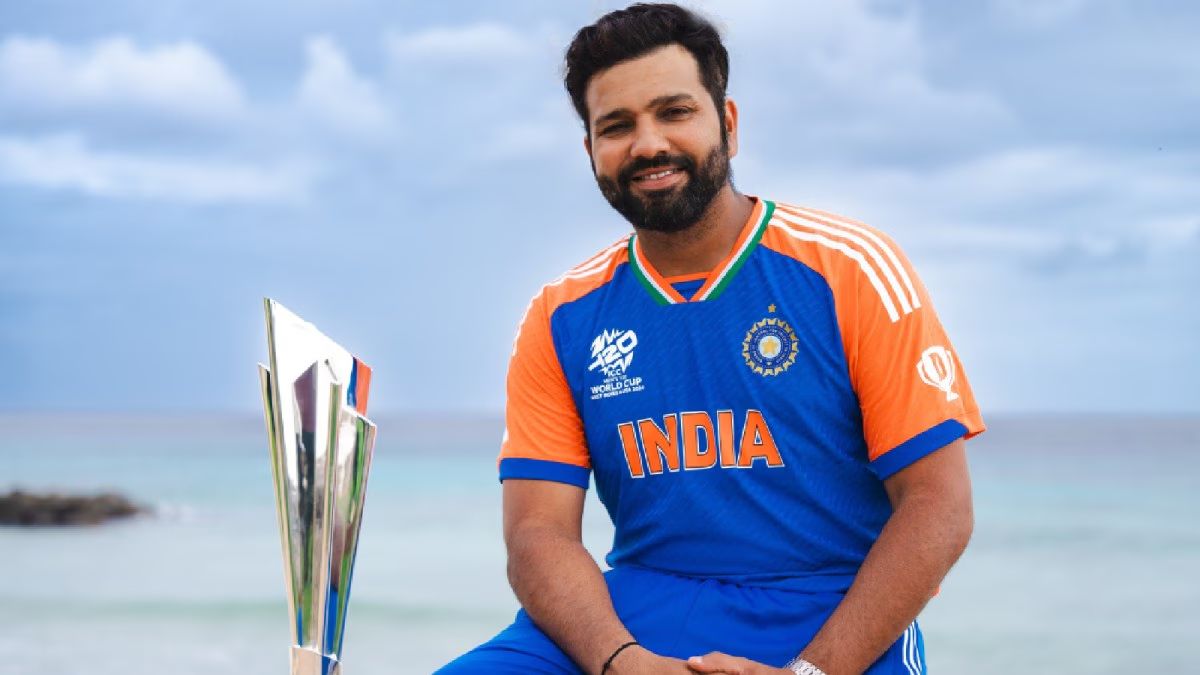
Rohit failed to make a big impact in the first two ODI series against England and produced a spectacular century in the third ODI. That innings showed that the veteran batsman can still win games with the bat and also raised the question of if his experience will still be of use in the next World Cup.
The situation has also been complicated by reports about communication between the BCCI, selectors and Rohit. During India's England tour, it was claimed that chief selector Ajit Agarkar had communicated the selection committee's future plans to the veteran batter. But neither the BCCI nor the selection committee officially confirmed those reports.
When speculation of Rohit retiring intensified, Saikia played down the rumours publicly. His comments raised questions about whether the board and selection committee had a unified position on the batter’s future. The lack of clarity on the point has left the speculation going on.
The recent BCCI review meeting was another opportunity for the issue to be addressed. Saikia, head coach Gautam Gambhir, captain Shubman Gill and Shreyas Iyer were present; however Agarkar was absent from the meeting and did not participate virtually. His absence only makes the selection committee and India’s future planning more uncertain.
The next selection committee meeting around September 18 or 19 could be particularly important. The selectors will discuss and select India's squad for the three-match ODI series against the West Indies and the announcement will be one of the most closely watched developments in Indian cricket.
India are also scheduled to play a T20I series against Afghanistan around the same time. With so many squads and selection issues to be addressed, the mid-September meeting might have implications beyond just the West Indies ODI series.
In the case of Rohit, selection for the West Indies matches would be a strong indication that he is still on course for the 2027 World Cup for India. Not that it would guarantee his inclusion in the tournament; it would be a sign that the selectors are still assessing him during the current ODI and T20 cycle.
But if the selectors decide to look at Jaiswal and other younger players in the team and move forward in a decisive fashion, it would mark the start of a new phase for India’s ODI team. Such a decision would allow younger players more time to establish themselves before the 2027 World Cup and give the management a chance to establish a settled team.
This case is a tricky one for Rohit because he has been so successful in ODI cricket in all formats to date and that is a fact that the history of India is one that can be traced back to so many years. And his leadership experience and knowledge of high-pressure events will also be helpful as we move on from the World Cup and prepare for the next one.
At the same time the selectors are faced with the challenge of balancing experience with long term planning. The 2027 World Cup is on its way and having a squad with all the experience is still very far away and a squad that can only come from past achievements does not guarantee success. India will need players who can perform consistently throughout the tournament and remain with us throughout the preparation cycle and will be available for the team.
The West Indies ODI squad announcement will therefore be one of the clearest signals yet about Rohit Sharma’s international future. So whether he remains in the squad or India begins to move towards Jaiswal and other younger batters, the decision will most likely change the team’s ODI strategy in the next major tournament.
Rohit’s future is still a question in his present age. His past century has solidified the case for experience and the younger generation has made it easier to transition. As the September selection meeting has been made imminent, Indian cricket is about to have a much clearer answer to one of its biggest questions: does Rohit Sharma still have a place in India’s plans for the 2027 ODI World Cup?