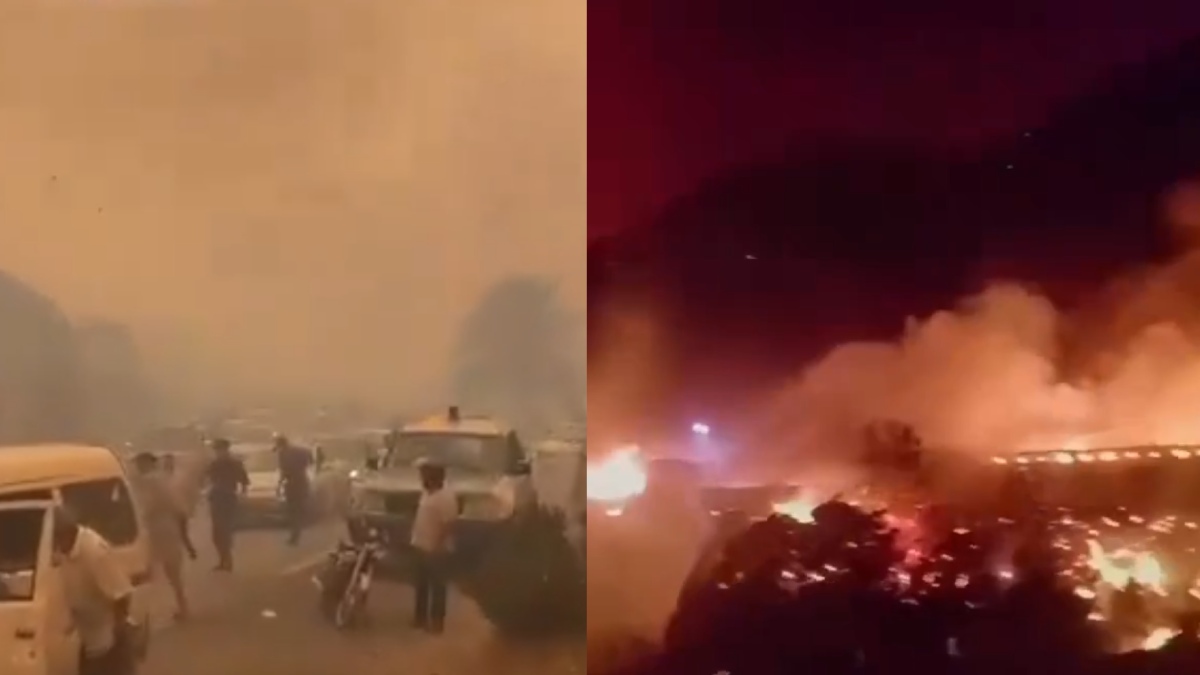
More than 300 Indians are reportedly among those missing after devastating flash floods hit Nepal’s Himalayan border region, Nepal’s Foreign Minister Shishir Khanal said today, as rescue and relief efforts continued in areas of Nepal worst affected by the disaster.
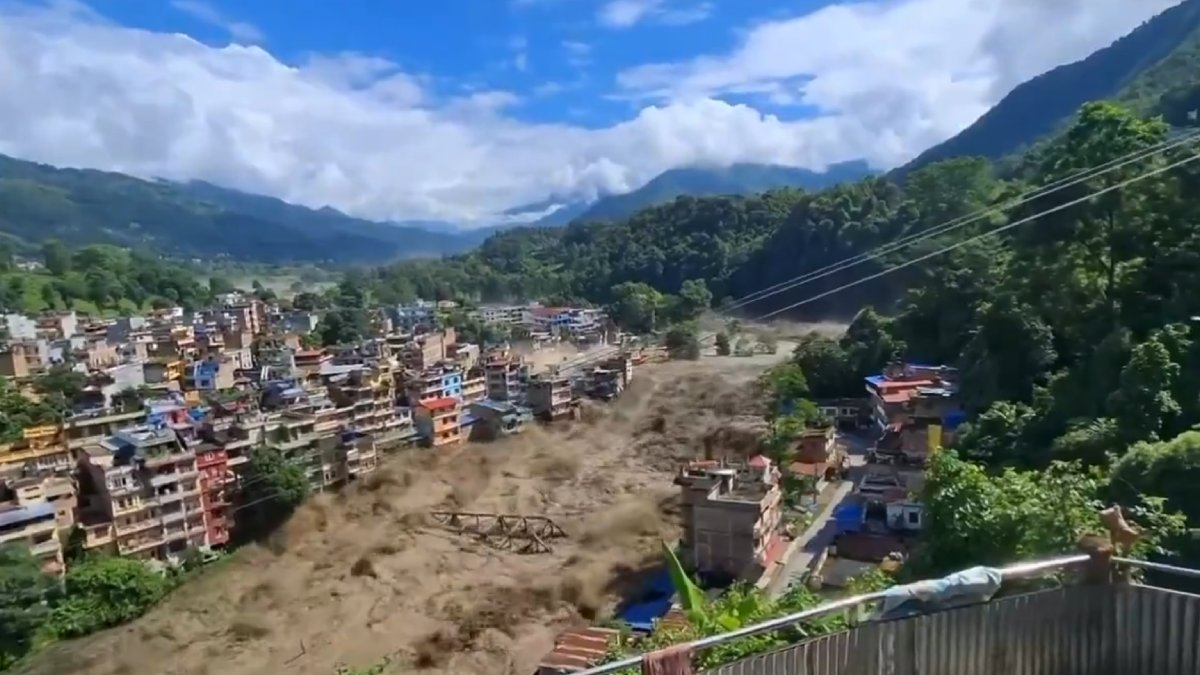
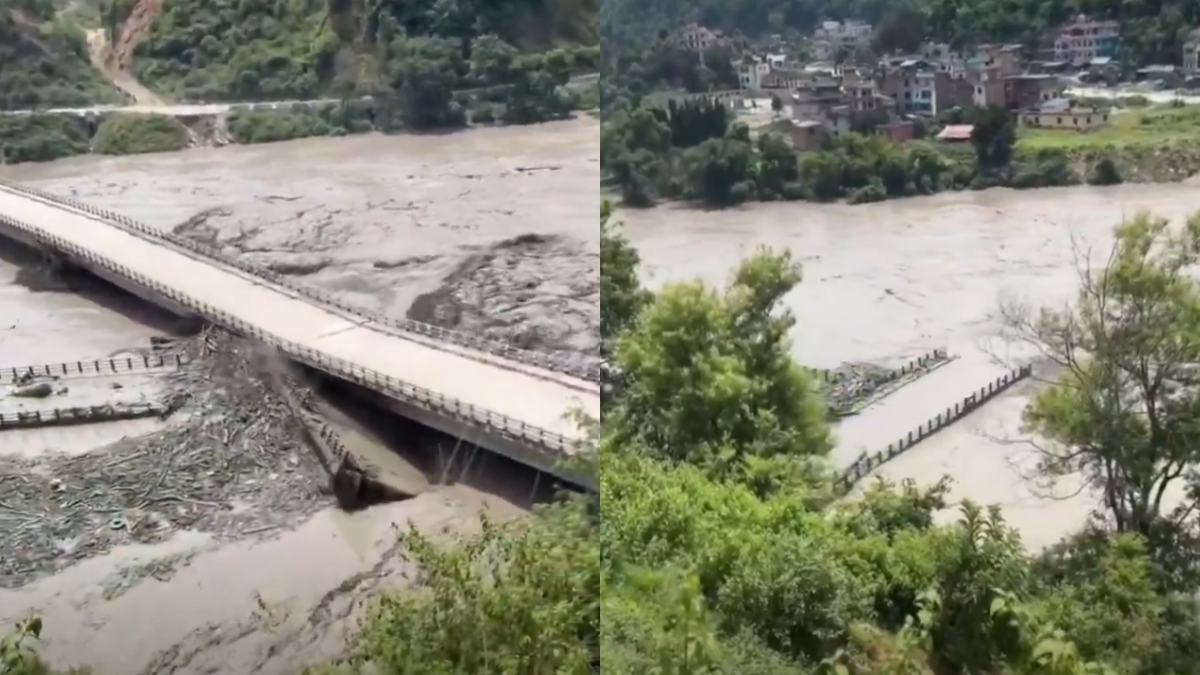
The Rasuwa region and surrounding areas are flooded and homes, roads and bridges have been destroyed. Power and communication infrastructure in some areas have also been disrupted, making it difficult for rescue teams to reach people stranded in remote and mountainous areas.
According to Foreign Minister Khanal, nearly 300 Indians are among thousands of people who remain unaccounted for after the disaster. The declaration has raised the alarm in India that Indian nationals and pilgrims traveling through or staying in the affected border region are at risk of being injured and there are even more people stuck with the disaster in the region.
The disaster was triggered on Wednesday when an ice-rock avalanche at the Nepal-Tibet border generated a massive surge of water, sediment and boulders. The torrent swamped villages and damaged critical infrastructure along the way, including the Bhote Koshi and Trishuli rivers.
The torrential flooding’s magnitude and speed meant residents had very little time to escape. Some areas were shut down as bridges and roads were destroyed, and debris and floodwater made it very difficult to access those areas. Rescuers have been searching for missing people in a number of isolated locations, but the terrain and disruption have slowed search and rescue operations.
Nepal Government Still Assessing Extent of Disaster
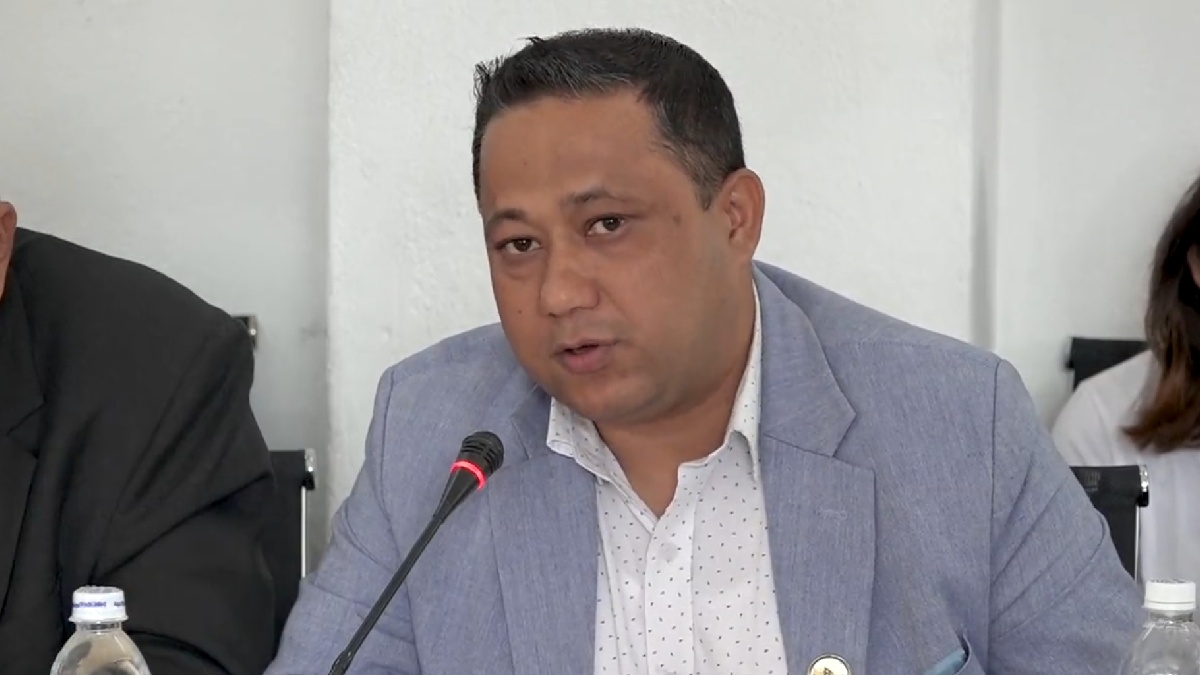
Shishir Khanal said that the government is still trying to determine the full extent of the destruction and the number of people who remain missing. Thousands of families have lost homes and are missing as of now. We are still trying to determine the full extent of the disaster,” Khanal said in his speech.
He also said about 160 people had been confirmed dead in Nepal, and thousands were still unaccounted for in the worst-hit areas. The overall death toll, as reported by news media, in Nepal is at least 162, with three additional deaths in China.
Authorities fear the number might rise as rescue workers may be able to access parts of the region that are cut off. The mountainous terrain of the region presents a challenge, with roads that have collapsed or been buried under mud, rocks and debris.
Rescue Efforts Continue Amid Communication Disruptions
Emergency teams are now on the hunt for survivors, moving people out of unstable areas and accounting for missing individuals. But the destruction of bridges and roads has complicated the movement of rescue personnel and relief supplies.
The presence of hundreds of missing Indian nationals has also added urgency to efforts to coordinate information between Nepalese authorities and Indian agencies. Families of those travelling in the affected region will need to know about their relatives as authorities attempt to compile updated lists of survivors and missing persons.
The floods have also illustrated the vulnerability of settlements and transport routes along the Himalayan border, where steep terrain and rapidly changing weather conditions can turn avalanches, landslides and sudden water surges into deadly disasters.
For now, officials continue to conduct search and rescue efforts and assess the damage to the population. Hundreds of people are still unaccounted for, and the casualty and missing-person figures will be updated as teams reach more affected areas.
The immediate priority is finding survivors and helping communities cut off by the floods. As rescue operations continue to progress, officials in Nepal and India will be in a position to establish the whereabouts of the missing Indian nationals and provide information to their families.