Nepal’s Prime Minister Balendra Shah thanked Prime Minister Narendra Modi for helping to rally around Nepal in the wake of the disaster with neighbouring countries affected in many areas of Bhote Koshi as recent rains turned into torrential torrents and disrupted crucial infrastructure.
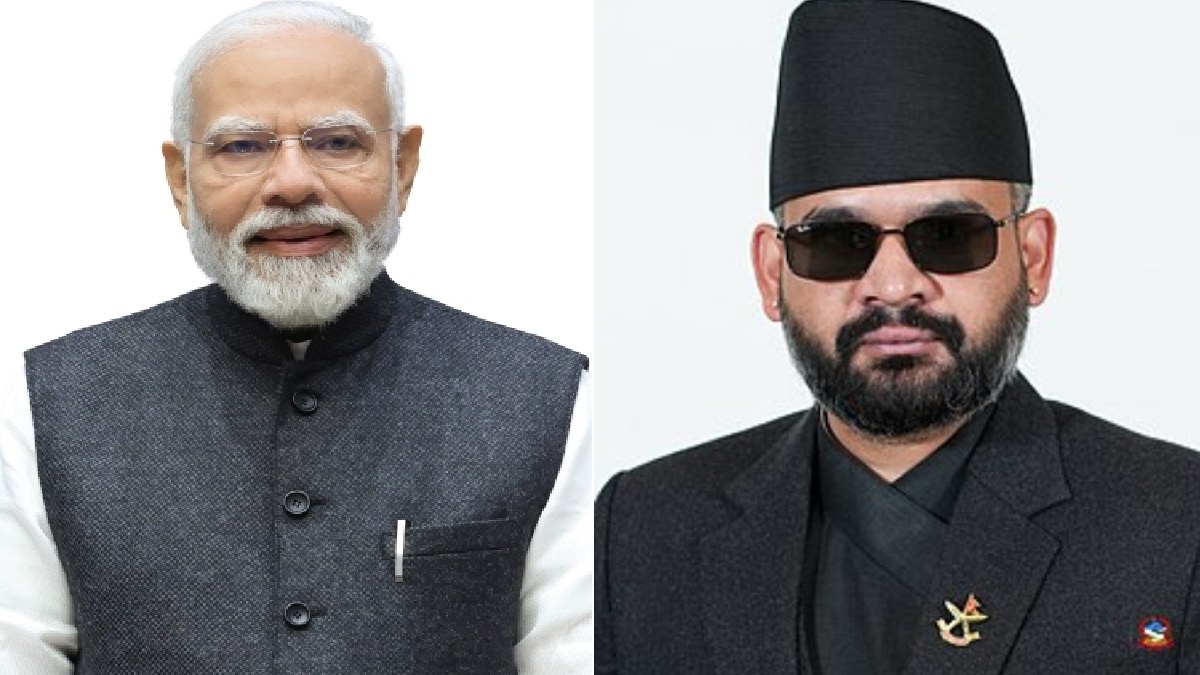
Shah’s message came after Prime Minister Modi spoke to him and expressed condolences over the loss of lives caused by the disaster. The Indian prime minister also told Nepal that New Delhi was prepared to provide all possible humanitarian assistance and said that teams from both countries were working closely on rescue and relief operations.
Nepali Prime Minister's Office post on X said they “deeply appreciate” Modi's words of solidarity and his offer of assistance during the difficult period. The message emphasized the longstanding relationship between the two neighbouring countries and described India's gesture as a reflection of the enduring friendship between Nepal and India.
Nepal “profoundly value” these bonds of friendship, the statement says, highlighting the importance of cooperation between the two countries during a major humanitarian emergency. India and Nepal have close geographical, cultural and people-to-people ties, and natural disasters have often required coordination between the two sides.
PM Modi Assures Nepal of India’s Full Support
Modi had earlier spoken directly to Shah to express his condolences for the loss of lives in the floods. The people of India stood in solidarity with the “sisters and brothers” of Nepal in the crisis, he said.
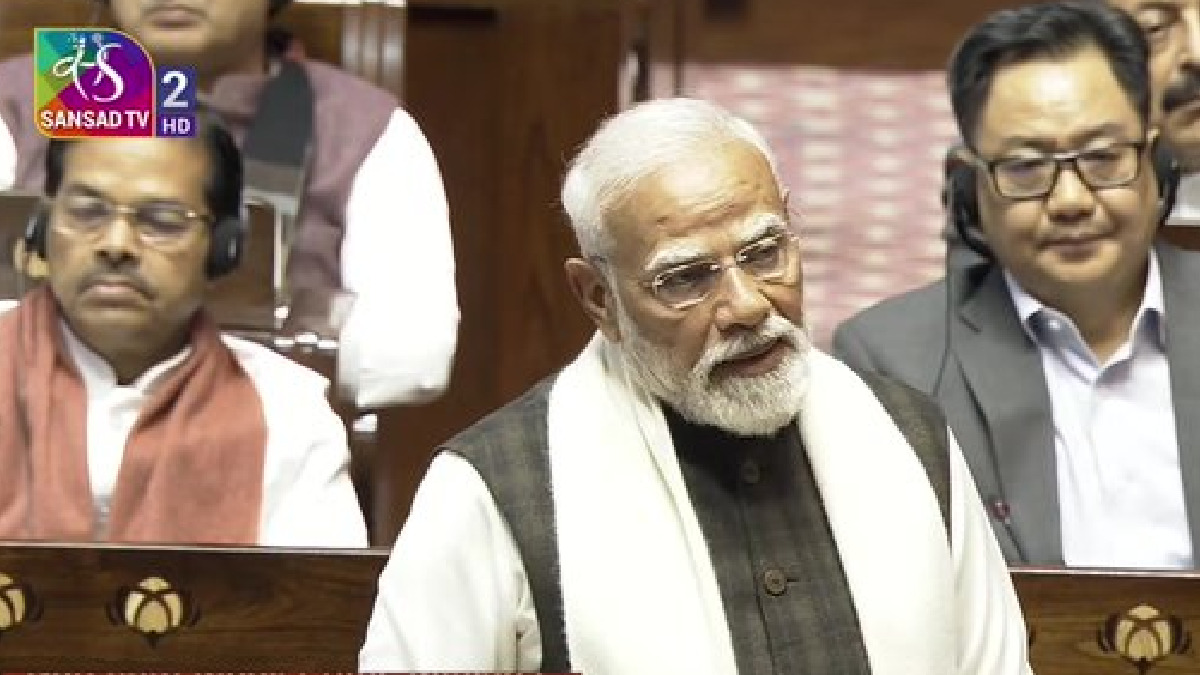
Modi also reaffirmed India’s willingness to help in humanitarian matters and emphasized the need for close cooperation between the two nations. Indian teams were working closely with their Nepali counterparts in the rescue and relief efforts, he said.
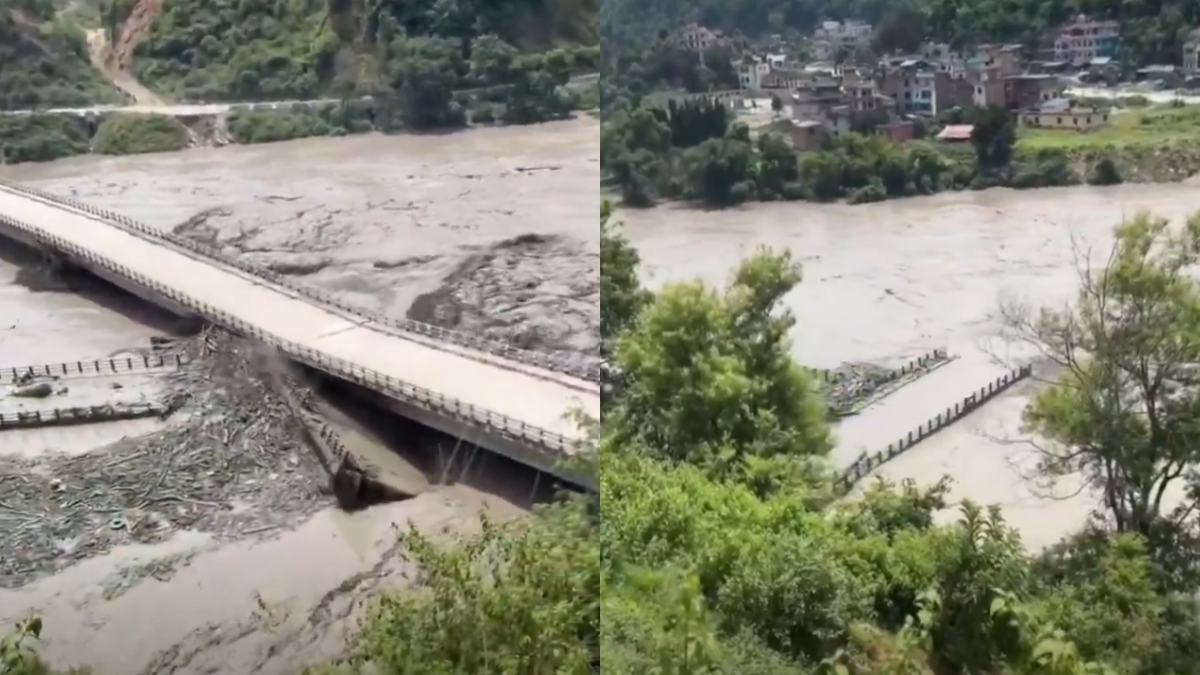
The assurance comes at a critical time for Nepal, where severe flooding has disrupted communities and infrastructure. The fast-growing Bhote Koshi River caused flooding in some of Central Nepal, and the Rasuwa and Dhading districts are among the areas affected. Nuwakot is also affected.
Floods Cause Widespread Damage
The flood has also damaged settlements and swept away bridges, so rescue teams and residents who are trying to reach safer areas have been forced to move back. Bridges and others have also come down, and roads have been damaged, leaving more people cut off from transportation and access to the affected communities.
The disaster has also disrupted at least a dozen hydropower projects. Nepal relies heavily on hydropower for its electricity generation, so damage to energy infrastructure is a major concern after the floods.
With such destruction comes the immediate humanitarian needs of affected communities such as rescue efforts, emergency supplies, shelter, and restoration of essential connectivity.
Nepal’s emergency has also highlighted the need for rapid cross-border cooperation during natural disasters for India. With one long and open border between the two countries and with a great social and economic link between them, developments in Nepal can directly affect people on both sides.
India-Nepal Ties In Focus
Shah’s gratitude is in the context of long-standing diplomatic and people-to-people relations between India and Nepal. Both countries collaborate regularly on infrastructure, connectivity, energy, trade, and disaster response.
Thank you very much, Prime Minister @narendramodi, for your kind call and deep condolences.
— PMO (@PM_nepal_) August 26, 2026
We deeply appreciate your warm words of solidarity and your generous offer of assistance to Nepal during this difficult time.
This gesture of solidarity is a reflection of the enduring… https://t.co/VepX2UzxuG
Shah’s contact with Modi also demonstrates how humanitarian assistance can strengthen regional cooperation in emergencies. Nepal's assessment of the damage caused by the floods is ongoing, and coordination with neighbouring countries is needed to help with rescue and recovery efforts in response to it.
As relief works go on, the first priority for affected people remains to get them back and to get them access to the areas cut off by damaged roads and bridges. The damage to hydropower facilities and other infrastructure will also be examined and repaired once these situations are stabilized and emergency operations are in place.
India is offering assistance, and Nepal is grateful for it, and now the two neighbouring countries are working to coordinate their responses to one of Nepal’s latest natural disasters. The situation is a reminder of the vulnerability of Himalayan and riverine areas to sudden extreme weather events and the need for a coordinated disaster response mechanism.