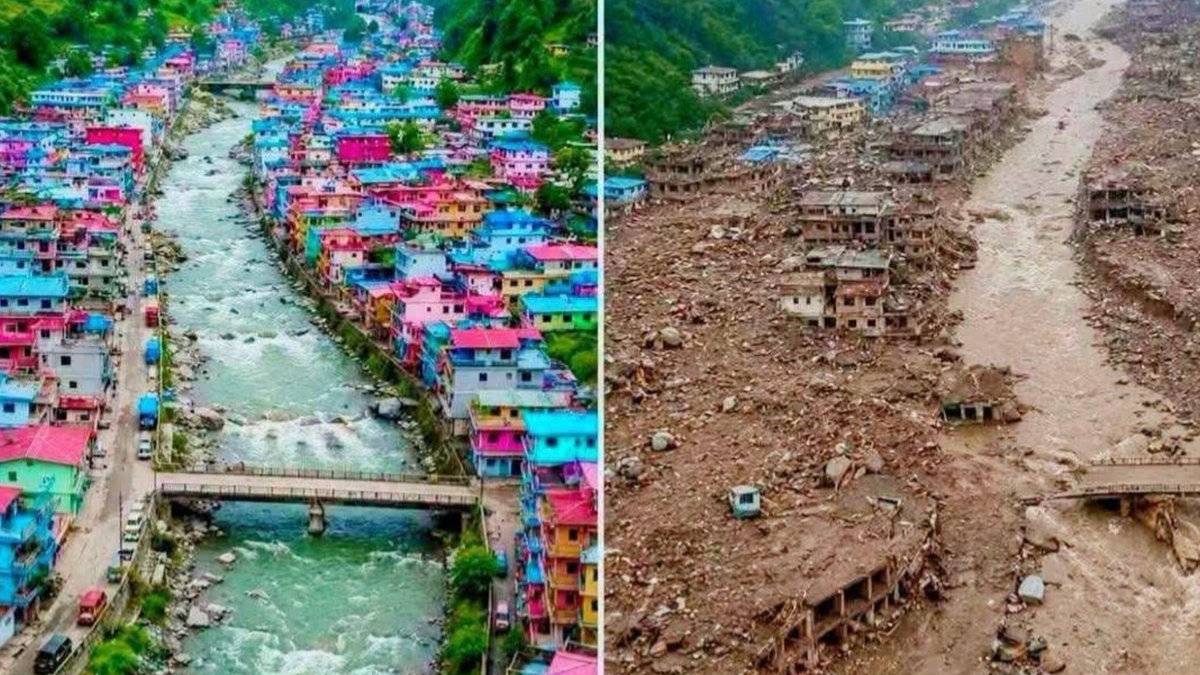
The flood threat in Bihar is rising due to heavy rainfall in Nepal, and the Centre and state government are stepping up preparedness measures. Amit Shah, Minister for Home Affairs, spoke to Bihar Chief Minister Samrat Choudhary by phone and assured them of all possible assistance in case of any crisis.

The development is occurring at a time when heavy rains in Nepal have brought torrential flooding and destruction in parts of the country and levels of water in rivers that pass through Bihar are rising. Bihar’s vulnerability to floods during heavy rainfall in the Himalayan catchments is very real, and authorities are closely monitoring and preparing for an emergency situation.
NDRF (National Disaster Response Force) is being mobilised to enhance the state’s disaster-response capacity. If water levels rise and communities need evacuation and rescue assistance, teams can be deployed to go out in vulnerable areas.
The Centre’s intervention shows the importance of early preparedness when flooding in Nepal threatens downstream parts of northern India.
Bihar has a long history of dealing with seasonal flooding, especially in the areas where rivers originate in or flow through Nepal. Kosi, Gandak, Bagmati, Kamla, and Mahananda can experience rapid increases in water levels after heavy rainfall in their upstream catchments.
The geography of the area means that developments in Nepal can have a direct impact on communities in northern Bihar. Heavy rainfall, sudden releases of water, and landslides in Nepal can result in increased flows downstream, making low-lying areas vulnerable.
The current situation has thus led the authorities to be extremely vigilant.
Amit Shah’s talk with Chief Minister Samrat Choudhary was important because the Centre can provide additional resources in case the state faces a major disaster. NDRF teams are trained to rescue flood victims, evacuate people, operate boats and conduct other emergency activities.
The deployment of disaster response personnel prior to a disaster can help reduce response time if flooding worsens.
We will closely monitor river levels, rainfall levels and vulnerable embankments; local government in the affected districts will have to plan for evacuation, find shelter and food for the people who may be evacuated.
The threat comes at a time when Nepal is experiencing its biggest flash-flood emergency. Homes, roads, bridges and hydropower facilities have been badly affected by the inundation of the Bhotekoshi River in Rasuwa district due to the flooding, and search and rescue efforts are still happening.
India has already been preparing humanitarian assistance for Nepal, with Indian Air Force aircraft and disaster response teams being kept ready to transport relief material, medicines and equipment.
But heavy rainfall in Nepal is not limited to the immediate disaster area. Rivers flowing south from the Himalayan region can bring more water into the plains from the mountains, so flood preparedness in Bihar is especially important.
People in at-risk populations should always feel safe and follow local authorities’ advice. A lot of people living close to riverbanks and in low-lying areas need to be very cautious when water levels rise rapidly.
The state administration will also have to maintain communication channels, and emergency services can reach the affected communities quickly. There will be blocked roads and bridges in a flood, and boats and other specialist rescue equipment will have to be provided.
The mobilisation of the NDRF provides another layer of preparedness to the state. The force has extensive experience in flood-rescue operations and can work with Bihar disaster management authorities, state police, fire services and local administration.
The Centre’s guarantee of all possible assistance also means additional resources can be made available depending on the severity of the situation.
At the moment, the authorities are more concerned with preparedness rather than waiting for a major emergency to take place. Rainfall and river levels will continue to be closely monitored to see if the situation escalates.
These developments also point to the interrelation of disaster management in Nepal and India. Heavy rainfall and flooding in one country can quickly impact communities across the border. Coordination and information sharing are key for that.
Bihar’s top priority, thus, is to be prepared for any sudden rise in river levels and make sure vulnerable communities can be moved to safety if necessary.
With Amit Shah speaking to Chief Minister Samrat Choudhary, the Centre assuring full support, and NDRF teams mobilised, Bihar is strengthening its preparedness to face the flood threat associated with heavy rainfall in Nepal.
The next few hours will be crucial for officials in the wake of weather conditions in the area - rainfall levels, flows of rivers, and conditions in vulnerable areas. Early preparation, quick communication, and coordination of rescue operations will be critical if the flood situation worsens.