Gandaki province of Nepal has legalized cannabis cultivation and use for medical and industrial purposes and in direct contradiction with the country’s strict laws. The historic act was signed by Dilliraj Bhatta, chief of Gandaki province. The new system will see farmers apply for official permission from provincial authorities for cultivation and all farming will be monitored by the state.
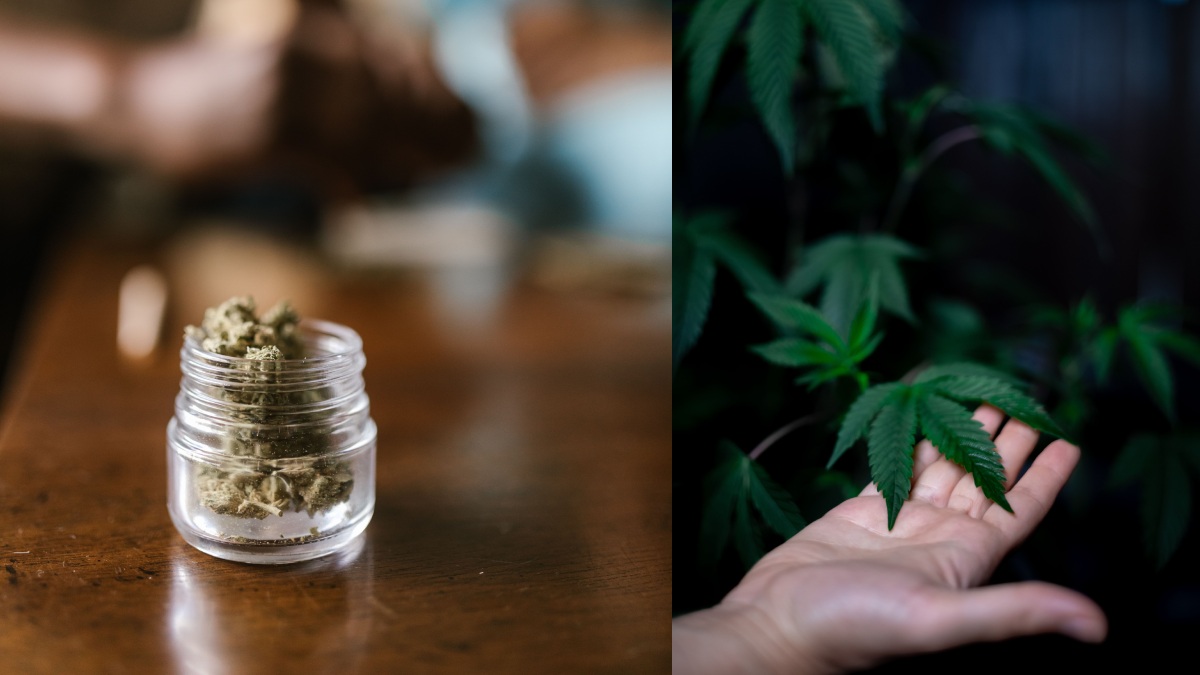
The decision to open up regulated cultivation is based on the growing body of medical research which recognizes the therapeutic value of cannabis compounds. Medically, cannabis-based products (especially CBD and tetrahydrocannabinol (THC)) have shown to be effective at treating serious health problems. The clinical applications supported by the medical literature include chronic and neuropathic pain, inflammation and severe seizure disorders such as Dravet syndrome and Lennox-Gastaut syndrome with special pharmaceutical preparations. Medical cannabis is also used to treat chemotherapy-induced nausea, promote appetite in wasting syndrome patients and to combat symptoms of multiple sclerosis and severe anxiety disorders. Gandaki’s new system makes sure that the narcotic components are in a separate category from the pharmaceutical ingredients so that the production is aimed at registered pharmaceutical manufacturers and is in line with the recommendation of the medical profession.
Despite this positive provincial action, a complete national ban on marijuana is still in place throughout the rest of Nepal. Under existing federal narcotics laws, people who are found to possess marijuana for personal use are in jail for a month and distribution and large-scale sales can be up to 10 years depending on the amount of marijuana seized. This is a legal mess between local provincial autonomy and federal narcotics enforcement.
Gandaki is one of Nepal’s seven main provinces with many Himalayan mountain ranges, major trekking routes and Pokhara’s most popular tourist spot. Cannabis grows abundantly and natively in a region where it has long held a strong cultural and religious significance. For centuries marijuana was embedded in the way Nepal used to live until the late 1970s, when global diplomatic pressure forced Nepal to ban the plant and shut down the booming trade that attracted international tourists.
Cultural ties to the plant have never been broken, despite decades of prohibition. And every year, thousands of Hindu devotees gather at Shiva’s holy places (like the Pashupatinath temple, other holy places) to worship Shiva, to take cannabis in the name of Lord Shiva, but the government has not been so quick to repeal its decades-old policy to ban it. Local farmers and local politicians are in revolt at Gandaki’s bold policy push to tap into the economic and therapeutic potential of the crop and are calling for changes in the industry and the health benefits of cannabis as the government’s view on it and why it is only now that there is the idea of a federal government considering a re-evaluation to be made by the crop policy.