The Kasturirangan Committee report on conservation of the Western Ghats is again a major issue in Karnataka and the state Legislature will discuss it during a three-day special session from September 21 to 23. The issue has developed more recently after the Centre issued the seventh draft notification for Ecologically Sensitive Area (ESA) status for parts of the Western Ghats and gave Karnataka until September 27, 2026, to submit its objections.
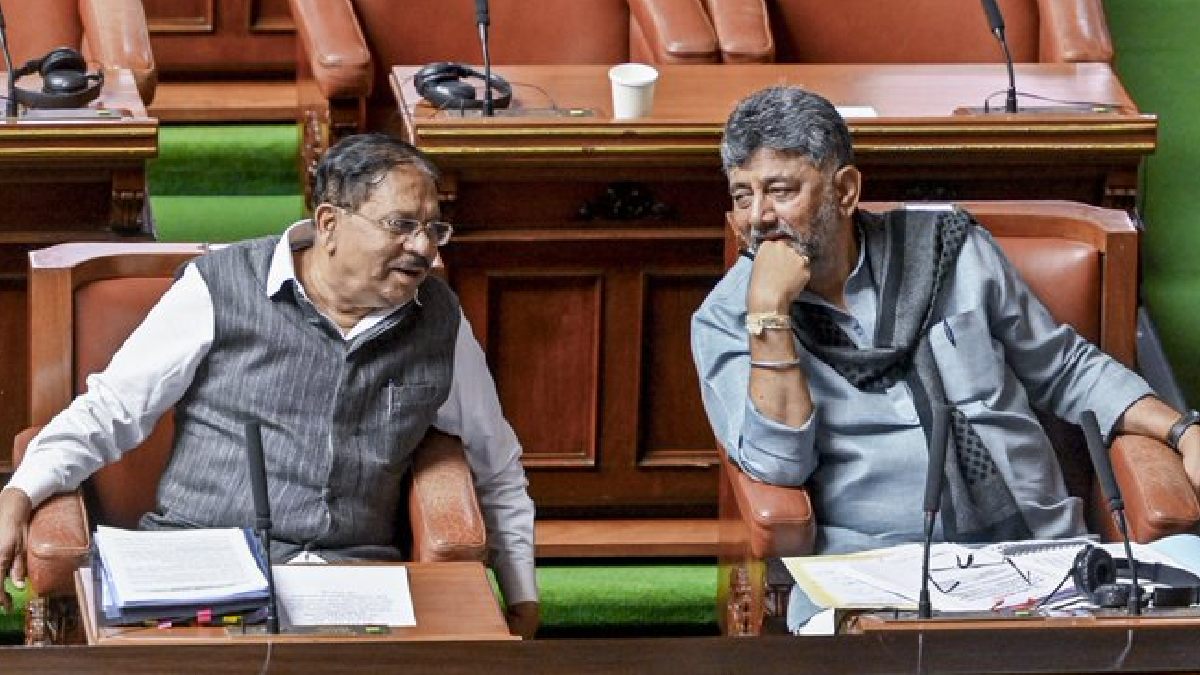
Karnataka's government has been resistant to implementing the Kasturirangan recommendations in their current form, particularly because of the adverse effects on farmers, plantation growers and the Western Ghats' inhabitants. At the same time, lawmakers from both sides of the political spectrum have argued that opposing the report does not mean opposing conservation of the Western Ghats.
The debate is essentially about how ecological protection can be implemented while taking into account the people already living and cultivating land in the region.
Why is Karnataka opposed to the Kasturirangan Report?
The Kasturirangan High Level Working Group was formed in 2012 to examine the recommendations of the Madhav Gadgil panel on the Western Ghats. It identified some 59,940 sq km in six states as Ecologically Sensitive Area in the 2013 report. Karnataka is the largest proposed ESA area among the five states that are covered by the recommendations.
The latest Central draft notification issued in July 2026 proposes 20,668 sq km across 10 districts of Karnataka for ESA status. The districts include Belagavi, Chamarajanagar, Chikkamagaluru, Kodagu, Hassan, Uttara Kannada, Dakshina Kannada, Mysuru, Shivamogga and Udupi.
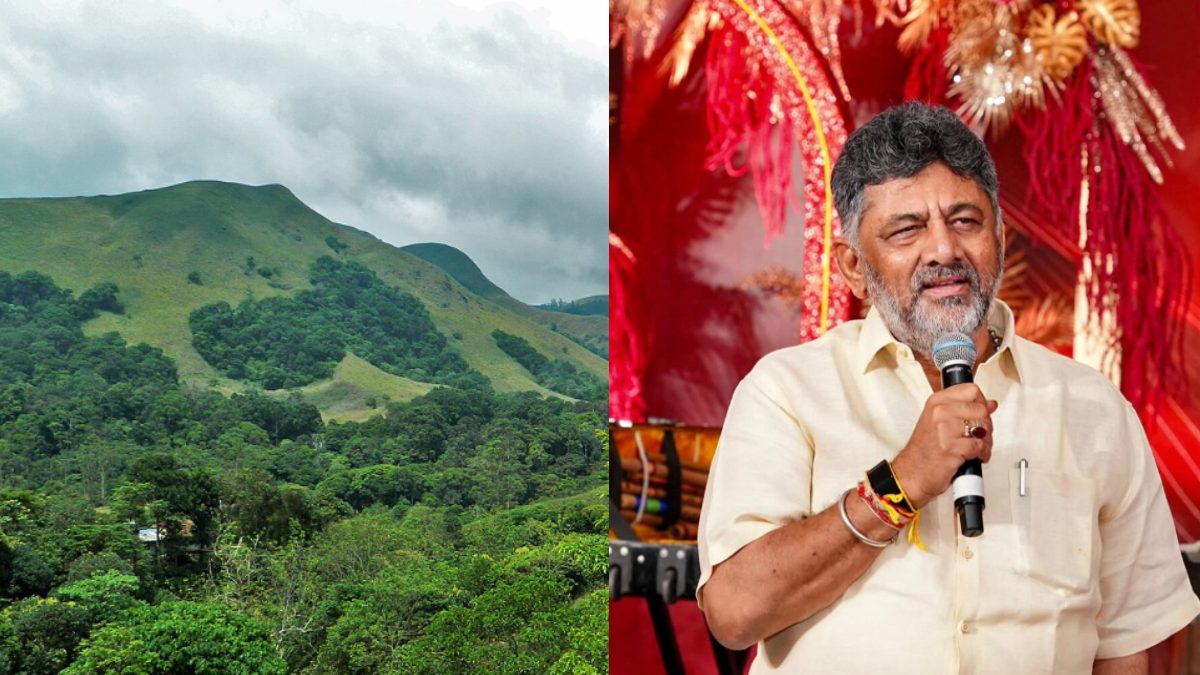
The state government has said that areas where people have lived and farmed for generations should not be regarded as natural forest areas.
Farmers and plantation growers have expressed concerns about restrictions on agriculture, construction, infrastructure and other economic activities if the proposed ESA rules are implemented.
1,576 Villages become a major point of debate
One of the most contentious aspects of the Kasturirangan recommendations is the number of villages that could fall within the proposed sensitive areas.
The Kasturirangan report identified 1,576 villages in Karnataka, covering around 20,668 sq km. However, the new draft notification and the subsequent state investigations have revised the village count in some reports. The current draft document indicates 1,449 villages in 39 taluks.
The difference is important because the exact boundaries and land use classification will determine which communities and properties are affected.
Shivamogga has emerged as one of the districts at the center of the debate. Madhu Bangarappa, state minister, has cited 484 villages in the district under the earlier delineation.
Western Ghats conservation still supported
The political debate in Karnataka has not centred on whether or not the Western Ghats should be protected. The Western Ghats are a biodiversity hotspot, and lawmakers of all parties have recognised the need for environmental protection.
The disagreement concerns how ESA boundaries and restrictions are established.
Congress MLA A.S. Ponnanna said on September 22 that there was broad agreement among parties on protecting the Western Ghats and also taking into account farmers and plantation communities. He called for a new scientific and ground-based analysis of populated settlements and agricultural land that have been identified.
This distinction is central to Karnataka’s case: conservation measures, according to the state’s perspective, should account for the difference between natural forests and areas that have long been used for agriculture and habitation.
State Seeks Ground-Level Survey
Karnataka has also raised concerns about using satellite-based mapping to identify ESA areas.
Chief Minister D.K. Shivakumar suggested using drone-based LiDAR technology and plot-level mapping to differentiate natural forest areas from farmland and other human-used land. The idea is to provide more detailed information before the state’s final objections are submitted to the Centre.
Deputy Chief Minister G. Parameshwara has also advocated for more accuracy in the identification of the areas covered by the proposed ESA. The state has repeatedly sought a distinction between forests and inhabited agricultural landscapes.
The demand for a physical survey has been supported by legislators and local community members in Western Ghats districts, who have also asked for ground-level verification of the proposed boundaries.
What activities are likely to be restricted?
The Kasturirangan recommendations propose restrictions on activities that can be considered harmful to ecologically sensitive areas.
These include new mining, quarrying and sand mining, as well as new restrictions on some highly polluting industries and new thermal power projects. Large construction and township development activities would also be subject to certain restrictions or additional scrutiny in the proposed ESA.
At the same time, the debate has also been about how agricultural and plantation activities would be regulated. The state has repeatedly expressed concern about how this would affect communities dependent on coffee, arecanut, pepper and cardamom.
The actual impact on individual villages would depend on the final boundaries and the provisions ultimately notified by the Centre.
Karnataka has opposed the proposal earlier too
The conflict between Karnataka and the Centre over the Kasturirangan recommendations is not new. The state has raised objections on several occasions since the report was published.
The first six draft notifications issued by the Centre eventually lapsed without a final notification. On July 27, 2026, the Union Environment Ministry issued the seventh draft notification, restarting the process and giving states 60 days to submit objections.
Karnataka's deadline to submit its response is September 27.
What happens next?
The three-day special session is intended to help form Karnataka's response to the deadline. Chief Minister D.K. Shivakumar has said that the state will communicate its position to the Centre, and an all-party delegation has also been suggested to convey Karnataka's concerns.
The state is also considering more detailed mapping and ground-level verification of the proposed ESA areas.
The outcome will depend on the discussions between the Karnataka government and the Union Environment Ministry. The two key issues are the conservation of the Western Ghats and the community living in or near the proposed sensitive areas.
The next step for Karnataka will be the state's objections, the accuracy of ESA boundaries, ground-level surveys and the Centre's response to the state's concerns.