At least 53 students died in Indian IITs between 2020-21 and 2024-25, with more than half of the reported deaths from students in SC, ST and OBC in India, according to official data obtained by Hindustan Times. The findings have brought attention back to student welfare, mental health, and social inclusion in India’s best engineering colleges.
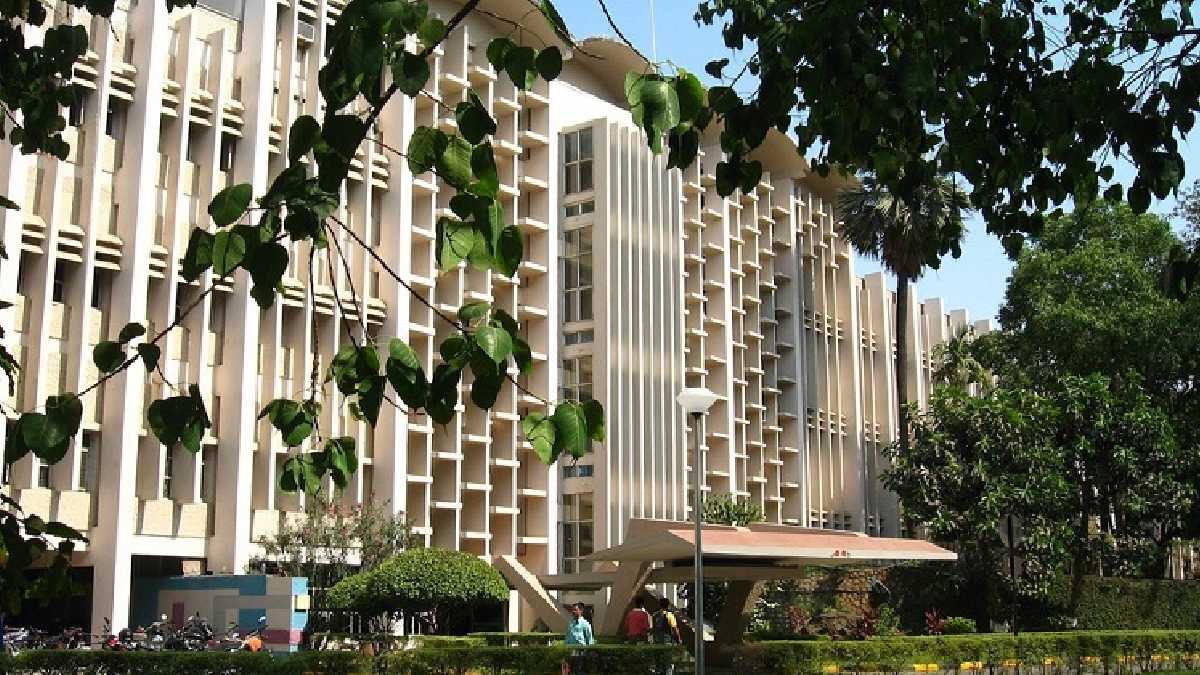
The data spans a five-year period and include 45 deaths classified as suicides and eight as unnatural deaths. The number of deaths increased substantially during the last part of the period. IITs recorded five student deaths in 2020-21, six in 2021-22 and 2022-23, 17 in 2023-24 and 19 in 2024-25. Suicides made up approximately 84.9% of 53 deaths during the period.
The figures were obtained from information submitted by individual IITs to the Union Department of Higher Education. According to correspondence reviewed by Hindustan Times, the department had sought information from IITs in December 2025 as part of a Lok Sabha question on student suicides, unnatural deaths and other problems affecting students. While the ministry got responses from institutions, the data were not tabled in Parliament at that time.
The latest figures have put new emphasis on the lives of students from reserved categories. More than half of the deaths involved SC, ST and OBC communities, according to reports. But the figures alone do not prove that caste or social background was the cause of each individual death.
The data available in these cases should be seen as demographic information about the students involved and not evidence establishing a particular reason for their deaths.
The issue of student wellbeing at IITs has been under greater scrutiny for many years. Government data released in Parliament last year said 39 students died by suicide in IITs from 2018 to 2023. A Supreme Court-appointed National Task Force has also reviewed student mental health, academic pressure, ragging, caste-based discrimination and other issues affecting students in higher educational institutions.
The figures also show how the number of reported deaths increased sharply in the most recent two years covered by the data. After six deaths in 2021-22 and 2022-23, they rose to 17 in 2023-24 and 19 in 2024-25. This has brought into question whether existing systems to identify and help students experiencing distress are adequate.
Student mental health has become a very important issue throughout higher education institutions. IIT campuses bring together students from different parts of the country and from diverse social and economic backgrounds. Students might be challenged by academic competition, demanding coursework, financial pressures, adjustment and career and placement challenges.
Meanwhile, students from marginalised communities may face additional problems like social exclusion or discrimination. But the causes of individual cases are different, and cannot be assumed to be uniform from the statistics alone.
The National Task Force on student welfare has previously highlighted concerns about how counselling services in IITs work. For the Hindustan Times’ report, the term “counsellor” had been used in different institutions, but no way to determine how many mental health professionals were in place for students to work with.
The panel also recommended systems to better identify students who may need support.
The wider issue of social inclusion has also been raised. Government figures reported before Parliament showed that thousands of students from SC, ST and OBC communities had stopped studies at some of the central universities in the country.
In the IITs, the figures were 2,066 OBC students, 1,068 SC and 408 ST students who discontinued studies between 2018 and 2023. And yet, these figures alone can’t explain why students stopped for whatever reason, or why there are different discontinuation rates for different social groups.
The 53-death figure adds another layer to the national discussion on student welfare at IITs. It highlights the need for accurate reporting, open counselling, grievance mechanisms and institutional systems that can detect students who are in serious trouble.
At the same time, experts and policymakers must be careful in interpreting the data. A student’s category alone cannot explain a single individual death, and the figures do not provide a single cause for the deaths recorded across the IIT system.
More detailed data will be needed to examine factors such as academic performance, financial circumstances, campus environment, complaints, counselling access and other circumstances surrounding individual cases.
However, the recent figures underscore the need for more work to strengthen student support systems at IIT campuses. With India’s top engineering colleges expanding the reach to students from different backgrounds, mental health, inclusion and campus safety will continue to be key issues of the national education discussion.