Nepal Army soldiers have been forced to go through an extremely difficult rescue effort after people were trapped in a tunnel along the Trishuli corridor and mud and debris were so thick that it was hard to get out of the tunnel.
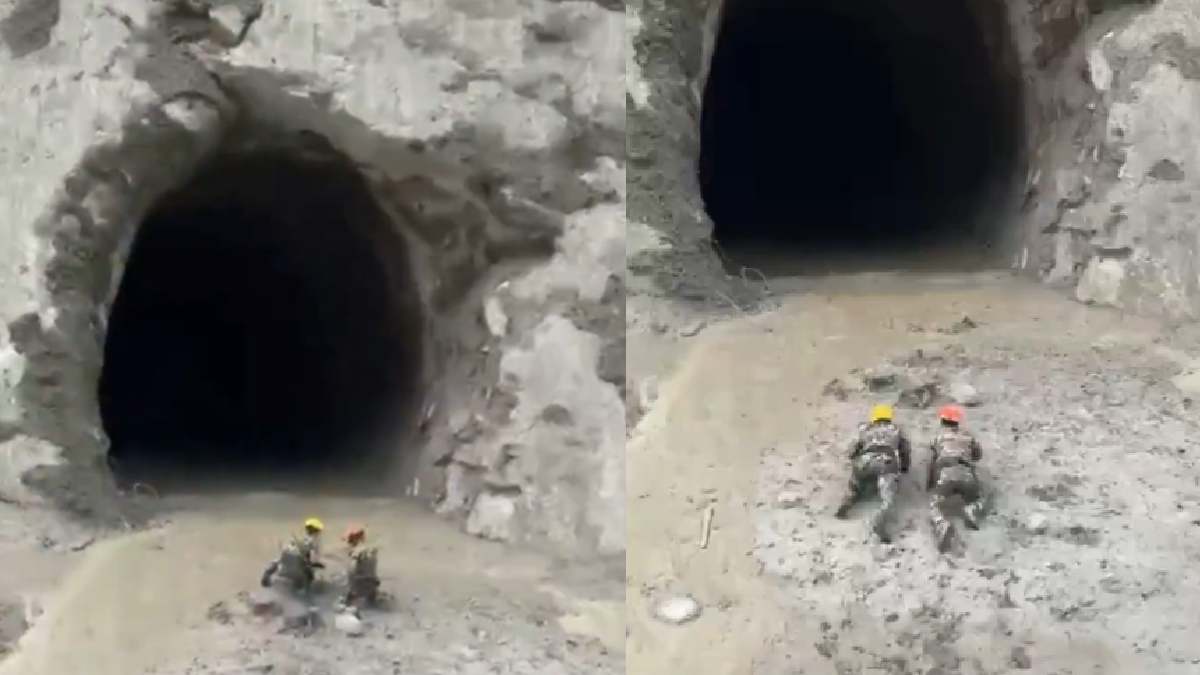
Dramatic images of the rescue operation showed soldiers stumbling through mud as they tried to reach those trapped inside.
The rescue operation illustrated the danger for rescue teams in Nepal during emergencies in the mountainous areas that can quickly trigger landslides, flash floods and debris flows from heavy rainfall.
The soldiers can be seen in the footage walking carefully through the tunnel, negotiating thick mud. The confined and unstable conditions really made rescue very difficult and people had to work slowly and carefully.
Even in normal situations, rescue operations in tunnels are difficult. Mud and debris can obstruct the tunnel, visibility can be limited, and pathways can be blocked.
There are also the added dangers of further movement of soil and water, so every step was a hazard for the rescuers and those waiting to be evacuated.
The Nepal Army has been involved in disaster-response operations in the mountainous region of the country. Floods, landslides and other disasters call on soldiers to evacuate stranded residents, clear roads and arrive to the scene in areas where it’s difficult to access.
If the new rescue effort is successful, there is no doubt it is going to be a story that the video will be a public one, because it shows how far soldiers will go to reach the families trapped in the tunnel.
From helicopter to muddy ground, the Nepal Army kept pushing forward to save lives.
— Ajit Doval ᴾᵃʳᵒᵈʸ🇮🇳 (@IAjitDoval_IND) August 28, 2026
883 people rescued, including 350 trapped inside the Upper Trishuli Hydropower tunnel.
This is courage. This is humanity. This is the Nepal Army. 🇳🇵 pic.twitter.com/ENdzxCcIPs
The images illustrate the physical obstacles that emergency workers face when they reach disaster scenes.
Nepal’s mountainous landscape makes a number of areas prone to landslides and flooding during heavy rains. Water and loose soil can affect many roads, bridges, tunnels and other structures when large volumes of water and loose soil move through narrow valleys.
People in a tunnel can be especially vulnerable because escape routes may be very limited. Rescue teams are required to assess the condition of the tunnel, locate safe points to go in and save trapped people while monitoring changing conditions.
The rescue operation also shows that when disaster strikes, emergency response needs to be immediate and that disaster response must be able to happen right away.
Military personnel, police, local authorities and civilian volunteers work together to move people to safer places.
For the soldiers working in the mud, it has become a vivid example of the hazards faced by rescue workers during an emergency. Their efforts illustrate the challenges first responders face in order to save lives.
Rescue and relief teams have been crucial in Nepal’s experience of severe weather in the most vulnerable areas for the past few years.