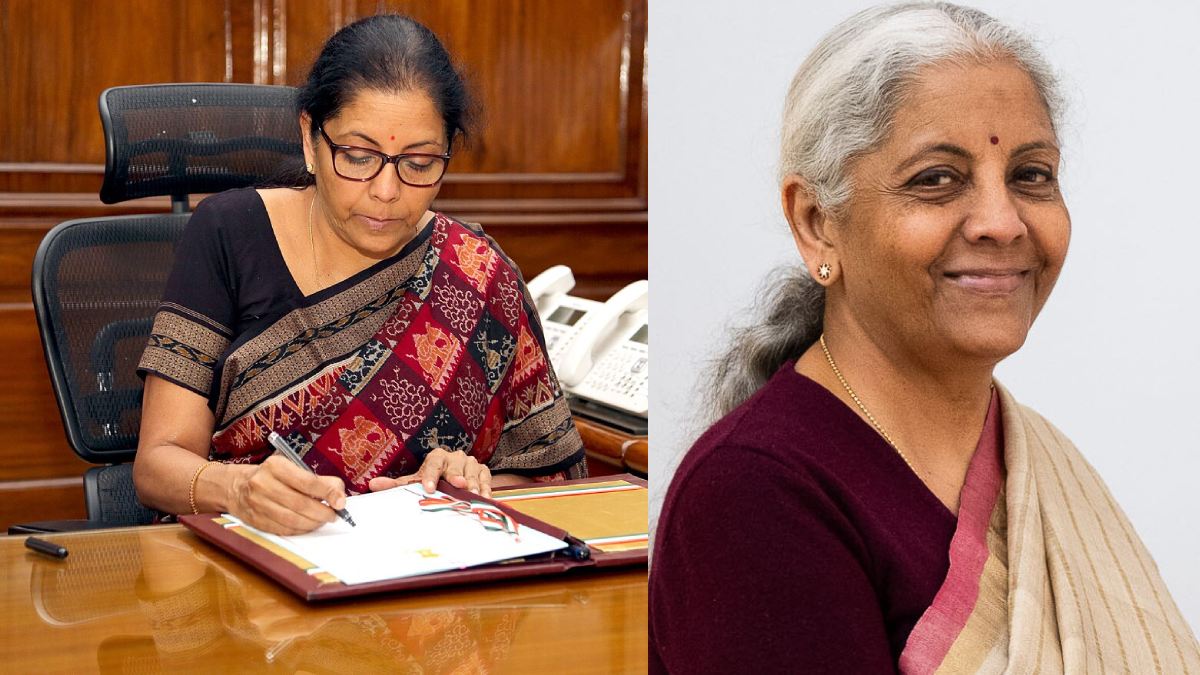
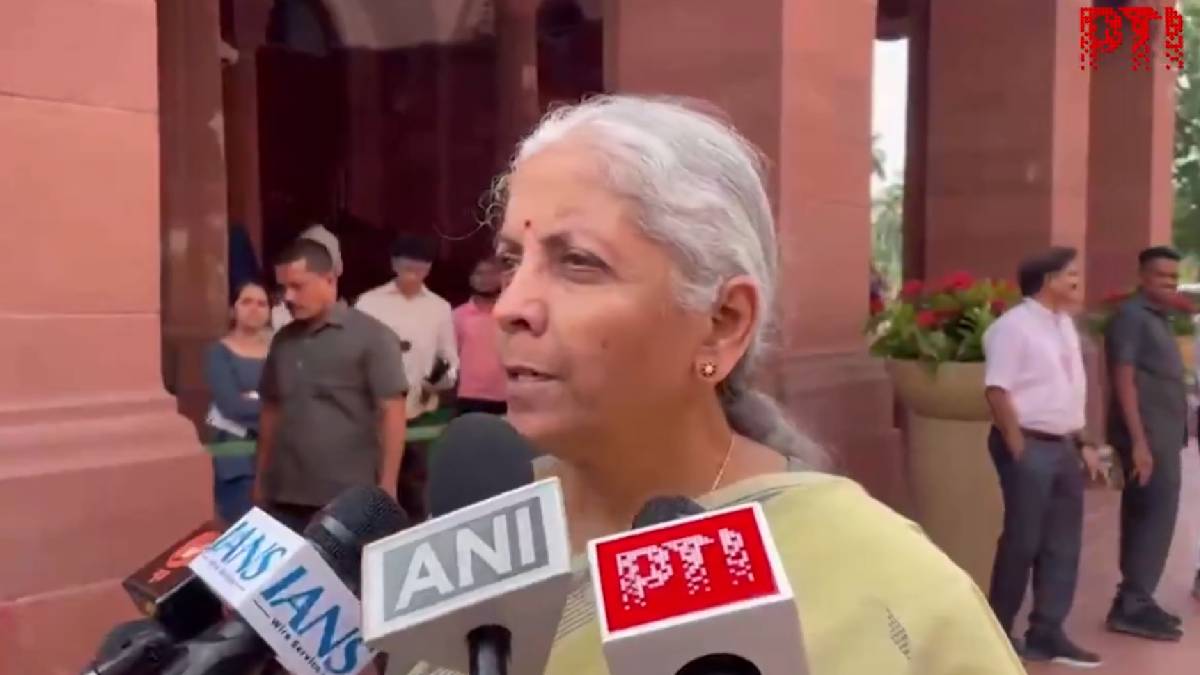
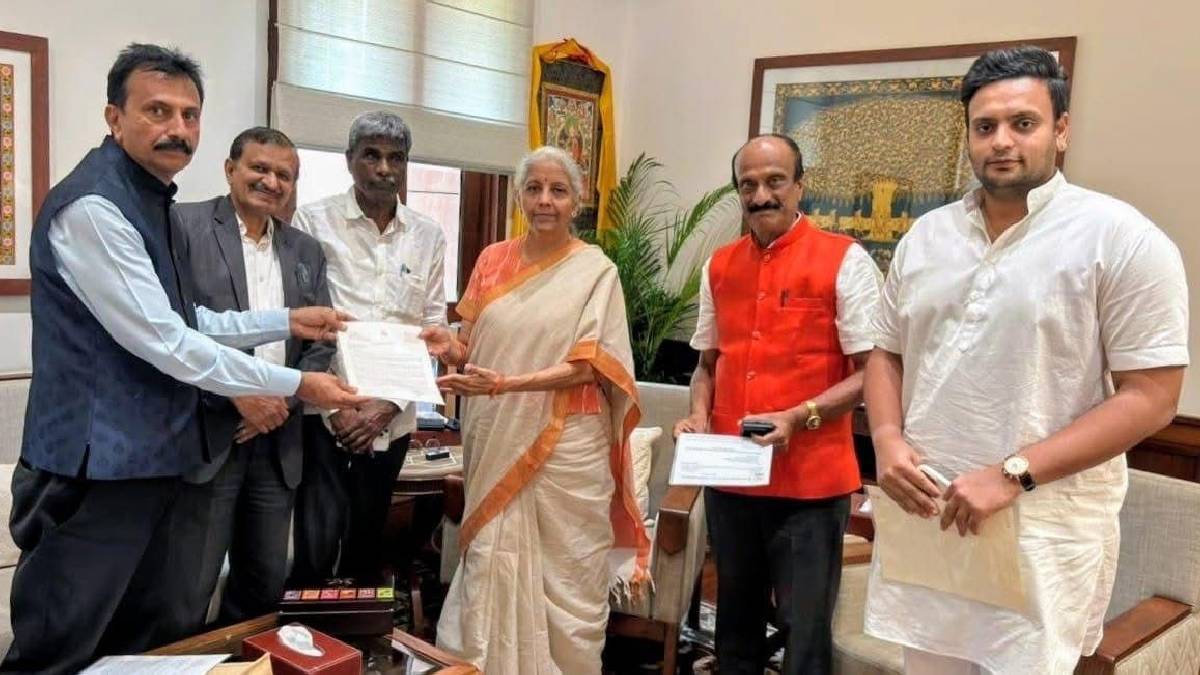
Nirmala Sitharaman, the Finance Minister, is requesting investors to expand their presence in India by setting up manufacturing plants, technology hubs and innovation centres in India to create global markets by building products and capabilities in India so that it can be an international manufacturing base.

Sitharaman also stressed India's growth, skilled workforce, expanding infrastructure and digital ecosystem to make a strong case for international companies to invest for the long term, a roundtable in Chicago where she was speaking. The Consulate General of India in Chicago organised the meeting in collaboration with the US-India Strategic Partnership Forum on the theme “Manufacture in India– for India and for the world.”
India Seeks Bigger Role In Global Supply Chains
Sitharaman said India's investment proposition is not dependent on any one industry. Instead, she cited the convergence of scale, economic growth, talent, infrastructure, technology and reforms undertaken over the past decade.
The Finance Minister pointed out that India’s large domestic market enables companies to develop and test products at scale while also using the country as a base for exports. She also suggested that global businesses as well as Indian companies collaborate to develop and produce products that can be sold in foreign markets.
That’s the push comes as companies all over the globe are beginning to assess how to diversify and strengthen their supply chains. India is focused on getting a larger slice of global production and higher-value activities and manufacturing services in order to make use of the capacity of manufacturing capacity, engineering talent and an expanding technology ecosystem to capture more than just manufacturing skills and technology to take up more of the market share.
Digital infrastructure is adding to India’s appeal.
Sitharaman also highlighted India's digital public infrastructure as a key component of its investment proposition. Platforms and systems like Aadhaar, UPI, DigiLocker, ONDC and India Stack have demonstrated the country's ability to develop and operate digital services at population scale.
As a result, the Finance Minister said, artificial intelligence, analytics, engineering, product development, semiconductors and electronics are areas with high potential for investment and innovation. In contrast to not only focusing on lower-value activities, India is now trying to develop research and product development and advanced manufacturing industries with technology-based solutions.
Global Capability Centres are another aspect of this transformation. Sitharaman said these centres are moving beyond back-office and support roles and are now taking on innovation, engineering, research and product development.
Manufacturing Opportunity Extends Beyond Assembly
The government is also trying to encourage a deeper manufacturing ecosystem in India. Sitharaman said that the opportunity is moving from assembly operations to component manufacturing, engineering and advanced technologies.
Production-linked incentive schemes have been among the policy measures to encourage investment and increase domestic manufacturing capacity. As multinational companies reassess their supply chains, such initiatives could help India attract investments across multiple stages of production.
Electronics, semiconductors, defence and advanced technology are likely to be important areas of focus. A stronger domestic supply chain will also allow Indian manufacturers to be more active in international production networks.
GIFT City Offers Financial Sector Opportunities
Gujarat International Finance Tec-City or GIFT City, as an emerging international financial centre, as the Finance Minister also mentioned in her speech to the Finance Minister. She said the platform had 1,250 registered entities as of June 2026 which is a growing part of the financial ecosystem of India.
The opportunities in GIFT City are banking, fund management, reinsurance, aircraft and ship leasing and sustainable finance. Through an internationally oriented financial hub, India is designed to create an ecosystem for businesses to work and investment flows to flow to international markets.
Infrastructure Could Drive Another Wave Of Investment
Sitharaman also discussed infrastructure as another area for international investors. India's ongoing development of freight corridors, railway modernisation, electrification and high-speed rail is creating demand for advanced technology, specialist equipment, engineering expertise and materials.
And so, these projects are also opportunities for transportation, energy, construction and industrial companies not only for infrastructure companies, but also for manufacturers and technology providers in transportation, energy, construction and industrial systems.
Sitharaman has also invited investors to explore the National Investment and Infrastructure Fund as a possible route to participate in India's infrastructure expansion.
India Positions Itself As A Global Production Base
The Finance Minister’s speech in Chicago signals India’s growing desire to attract global capital and strengthen its place in global manufacturing and technology networks. The focus is gradually shifting from serving India’s domestic market to creating products, technologies and capabilities that can compete globally.
India’s combination of a large consumer base, skilled workforce, digital infrastructure and growing physical infrastructure presents opportunities for the international companies in manufacturing, technology, finance and services.
Sitharaman’s invitation for companies to “manufacture in India” and build for both Indian and global consumers also underlined the government’s desire to make India a destination for investment, innovation and production. The strategy also aims to deepen India’s integration with global supply chains and create higher-value economic activity within the country.