A portion of the Swaminarayan temple in Prayagraj collapsed around the time of the evening last night when heavy rainwater was accumulated in the soil around a construction site, a section of which weakened the soil around it to collapse. There were no injuries reported and the collapse caused little damage to the temple premises, but relief was also to be found in the absence of structural damage to one part of the temple.
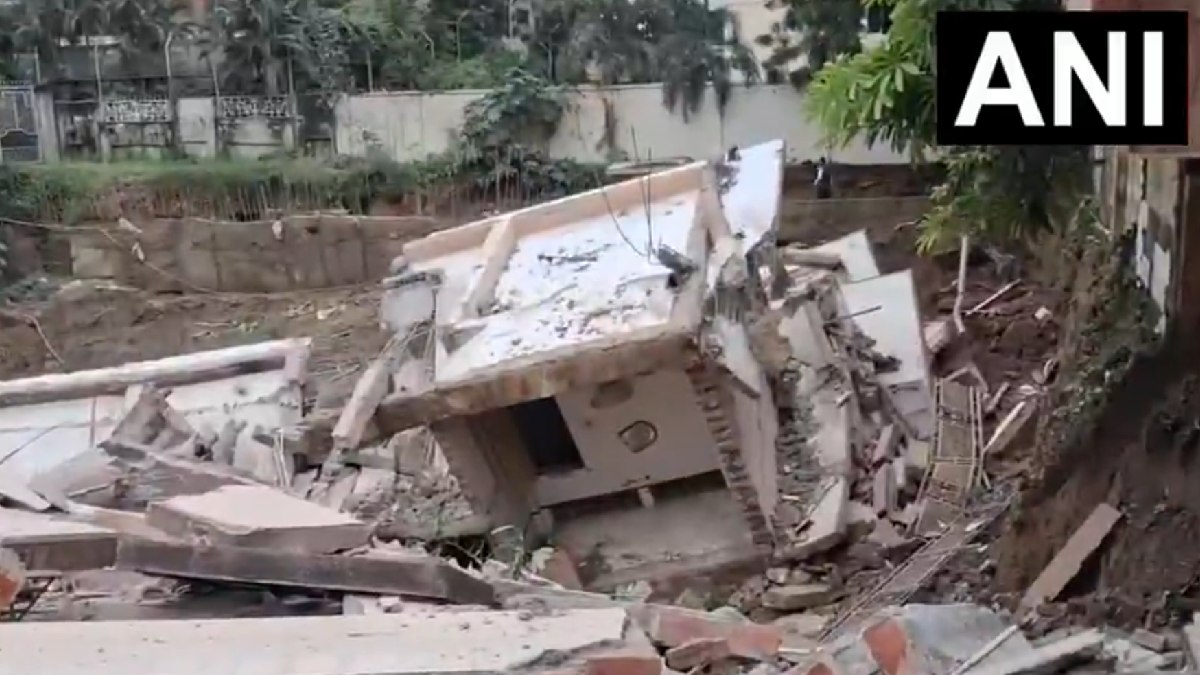
According to information available, the affected part of the Swaminarayan Temple was mainly for accommodation of the guests. Near the site, construction was going on with a pit being dug up for the building of a building. After the rain, water accumulated in the area that the excavated pit was in and weakened the soil for the nearby structure.
The weakened soil eventually gave way, and part of the temple collapsed in the night. The damaged section was mainly for guest accommodation and no one was injured, the temple authorities and visitors have said.
Rainwater accumulation may create huge obstacles in construction sites when deep digging sites are located close to the current buildings. Saturated soil can suffer from loss of stability and strength leading to erosion, settlement or partial collapse. The construction pit near the construction site is likely to become a source of such water accumulation and soil can get weakened and collapse.
The incident has raised questions about construction precautions taken around existing buildings. Planning for excavation is important especially when we have monsoon season and heavy rain can quickly change the soil. Drainage arrangements, protective barriers and appropriate support systems are needed to reduce soil and excavation risks in waterlogged soil and excavation.
The area where the collapse happened would need to be assessed to determine how much damage has been done and if other parts of the structure have been compromised. Temple authorities and officials may also visit the construction site and the soil to check if any more safety measures are necessary.
The incident is a reminder that during heavy rainfall, it is critical to monitor construction sites as a whole to keep an eye on the site during the rainy period. Water can put additional pressure on the construction site and the soil and excavated areas, especially when the soil is not drained well enough. In addition, the structure near excavation sites can also need to be closely monitored to detect the signs of ground movement and instability.
#WATCH | Prayagraj, Uttar Pradesh: A portion of the Swaminarayan Temple collapsed last night. The affected area was primarily used as accommodation for guests. A pit had been dug for the construction of an adjacent building, and the accumulation of rainwater caused the soil to… pic.twitter.com/u8HZrGVJbK
— ANI UP/Uttarakhand (@ANINewsUP) August 29, 2026
The collapse was worrying, but the absence of injuries was even more significant because the affected section was used to accommodate guests. Had the collapse occurred during a busier period, the consequences could have been more serious. The incident makes it a good point to avoid accessing vulnerable areas until structural and ground-safety assessments are completed.
Prayagraj has experienced heavy rainfall during the monsoon season, so water management is crucial for construction and infrastructure development in the city. Construction pits and excavated areas can become vulnerable if rainwater is allowed to accumulate for a long time. Ensuring that water is promptly drained away is very important to prevent soil from becoming excessively saturated.
Further inspection of the Swaminarayan Temple could determine whether the collapse was limited to the affected part or if the rest of the area needs to be looked at. The construction activity and the situation around the excavation area might also be examined to discover how the soil became unstable.
The incident is currently only a property safety problem and not structural, so no injuries are reported. The collapse has also highlighted the dangers related to rainwater accumulation and excavation work in the vicinity of existing buildings.
As the assessments continue, safety will be a priority for temple authorities and the construction workers working in the same construction area. The damaged section may remain closed until experts find the surrounding structure and ground are safe.
The Prayagraj temple collapse shows how quickly heavy rainfall and unstable soil can lead to hazards around construction zones. No casualties were reported in this case, but the collapse emphasizes how drainage, excavation, and regular monitoring of the structural integrity should be done during rainy seasons.