The devastating floods and landslides that have hit parts of Nepal and Tibet have claimed around 750 lives since then and thousands of people are still missing.
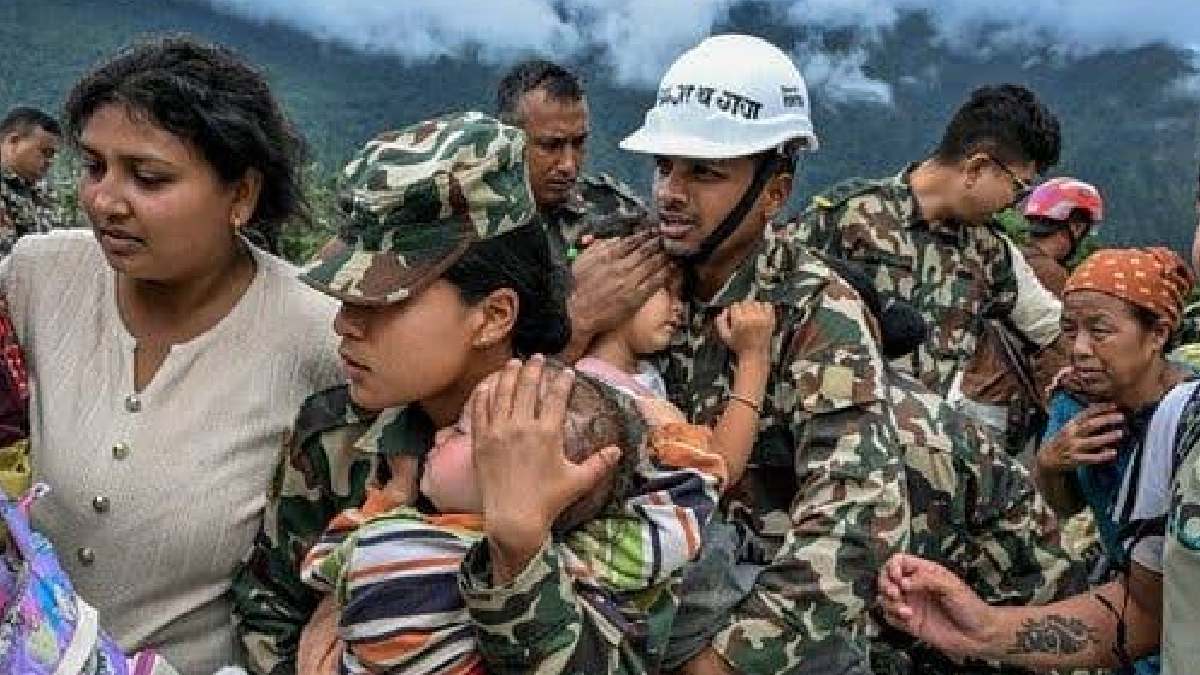
Rescue and relief work continues in the Himalayan region and it is still challenging to reach communities cut off by damaged roads, collapsed bridges, and debris.
Nepal has been among the worst affected countries where hundreds of deaths have been reported after heavy flooding and landslides. There are still some remote areas where rescue teams struggle to get to assess the extent of the damage and locate them.
Many people have been rescued. Rescuers work in mountainous terrain where unstable slopes and damaged infrastructure have held back rescue efforts.
Tibet has also suffered major losses. Flooding in Gyirong County caused widespread destruction and hundreds of people remained missing.
Many foreign residents were also caught up in the disaster and there are fears that travelers and workers in the region are in danger of being injured as a result.
The floods have damaged roads, bridges, settlements, and hydropower facilities. Some workers may have been trapped in tunnels at hydropower projects, prompting specialized rescue efforts for them.
Teams are facing significant difficulties in clearing up the debris and reaching the workers who were affected or trapped at hydropower facilities.
MEA Shares Update on Indians
India's Ministry of External Affairs (MEA) has been closely monitoring the situation and coordinating with authorities in Nepal and China to assist Indian citizens affected by the floods.
According to the Indian government's news, 149 Indian nationals have been rescued in Nepal. We are still searching for and helping Indians who may still be stranded and unable to contact their families.
Earlier, the MEA had reported that Indian citizens stranded on the Chinese side had managed to cross into Nepal safely. Some Indians rescued from flood-hit areas have also returned to India.
India has also extended specialized assistance for rescue operations in Nepal. A team of tunnel rescue experts has been involved in hydropower facilities where workers may be trapped underground.
The disaster has presented a logistical challenge for Nepal. Rescue teams are having to work in remote places with damaged infrastructure and continuing risks from landslides and unstable ground.
People must rely on verified information as casualty and missing-person estimates are subject to change. Search teams are continuing to work around affected areas to find out where people are and help those who are missing and provide emergency assistance.
The focus now remains on reaching isolated communities, rescuing survivors, and ensuring essential supplies reach those affected. As work continues on the rescue of the injured and the return of nationals of India, that is the primary focus now.
Given the current situation, Nepal, China, and India are expected to provide further updates as search and relief operations progress.