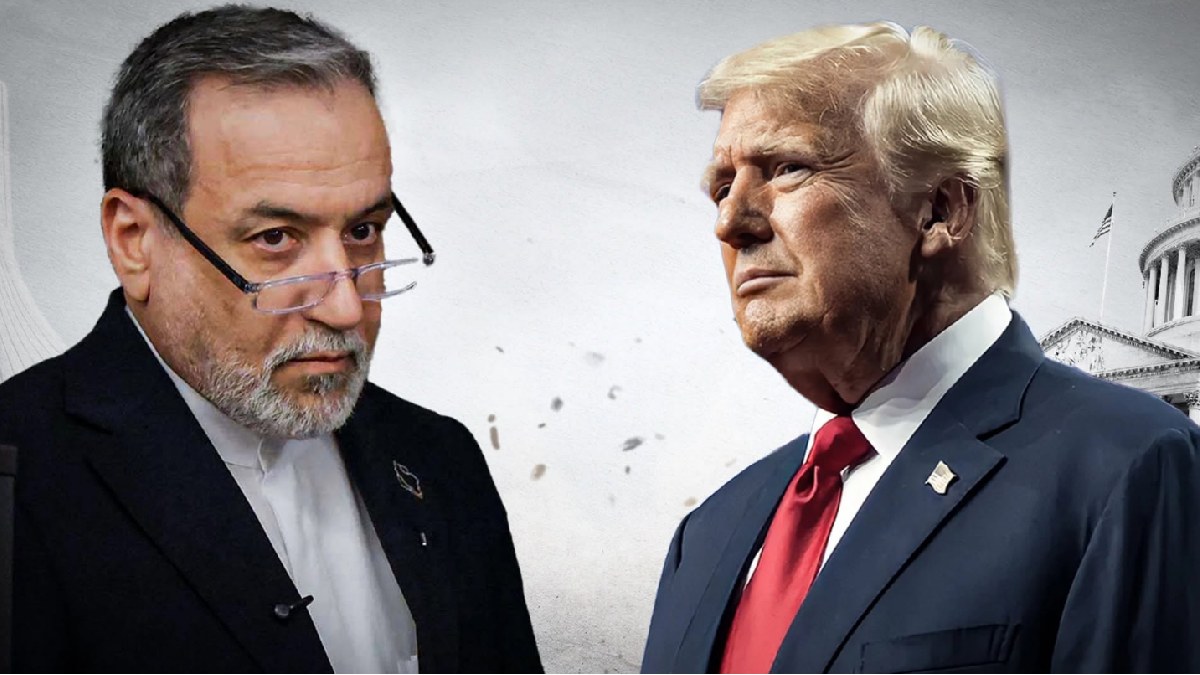
Iranian President Masoud Pezeshkian said Tehran is not seeking a war but will respond to attacks against its country after a fresh row between Iran and the US came to a head overnight. Iranian forces launched attacks on American military bases in the United Arab Emirates, the latest threat in the conflict.
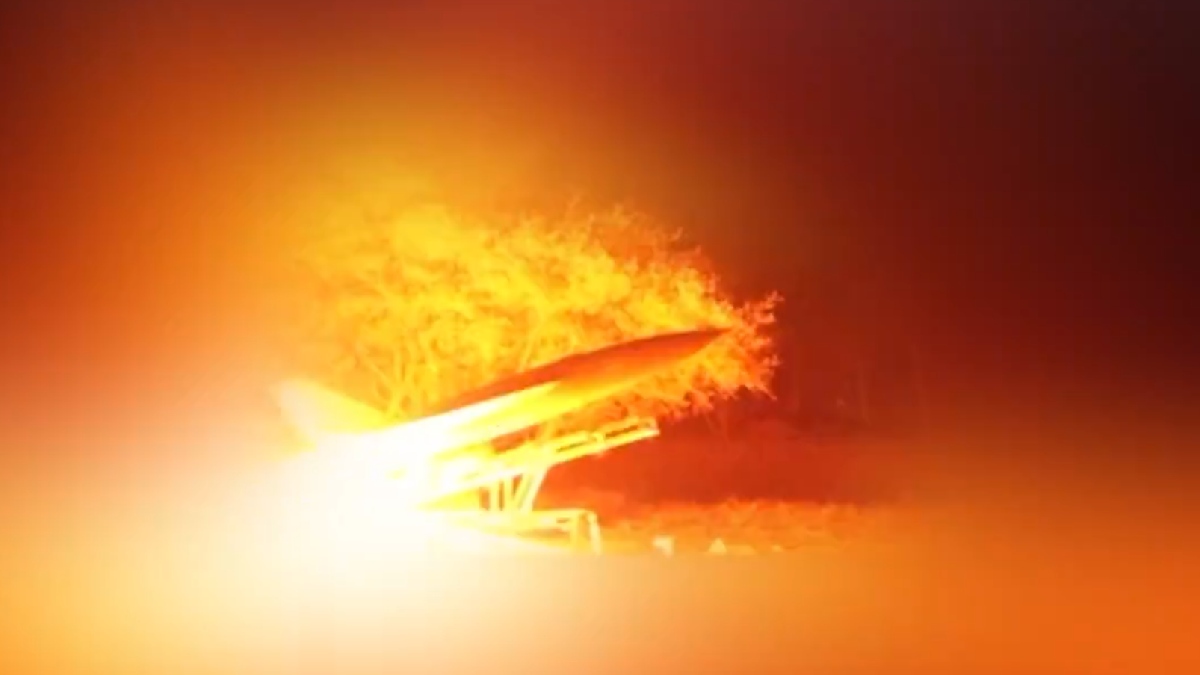
The latest escalation follows US military action against Iranian positions near the strategically important Strait of Hormuz. US Central Command said American forces conducted strikes on Iranian rocket launchers on Larak Island following a “vicious threat of placing mines” in the vital waterway. Iran immediately responded to US military forces in the region.
According to Iranian military sources, dozens of explosive drones were fired on US troops and helicopters stationed at Al Minhad Air Base in the UAE. The base has been a key military facility and has housed American troops and other Western military forces. The report has laid bare Iran’s larger campaign to disrupt American military infrastructure in the region.
Pezeshkian Warns Against Wider Conflict
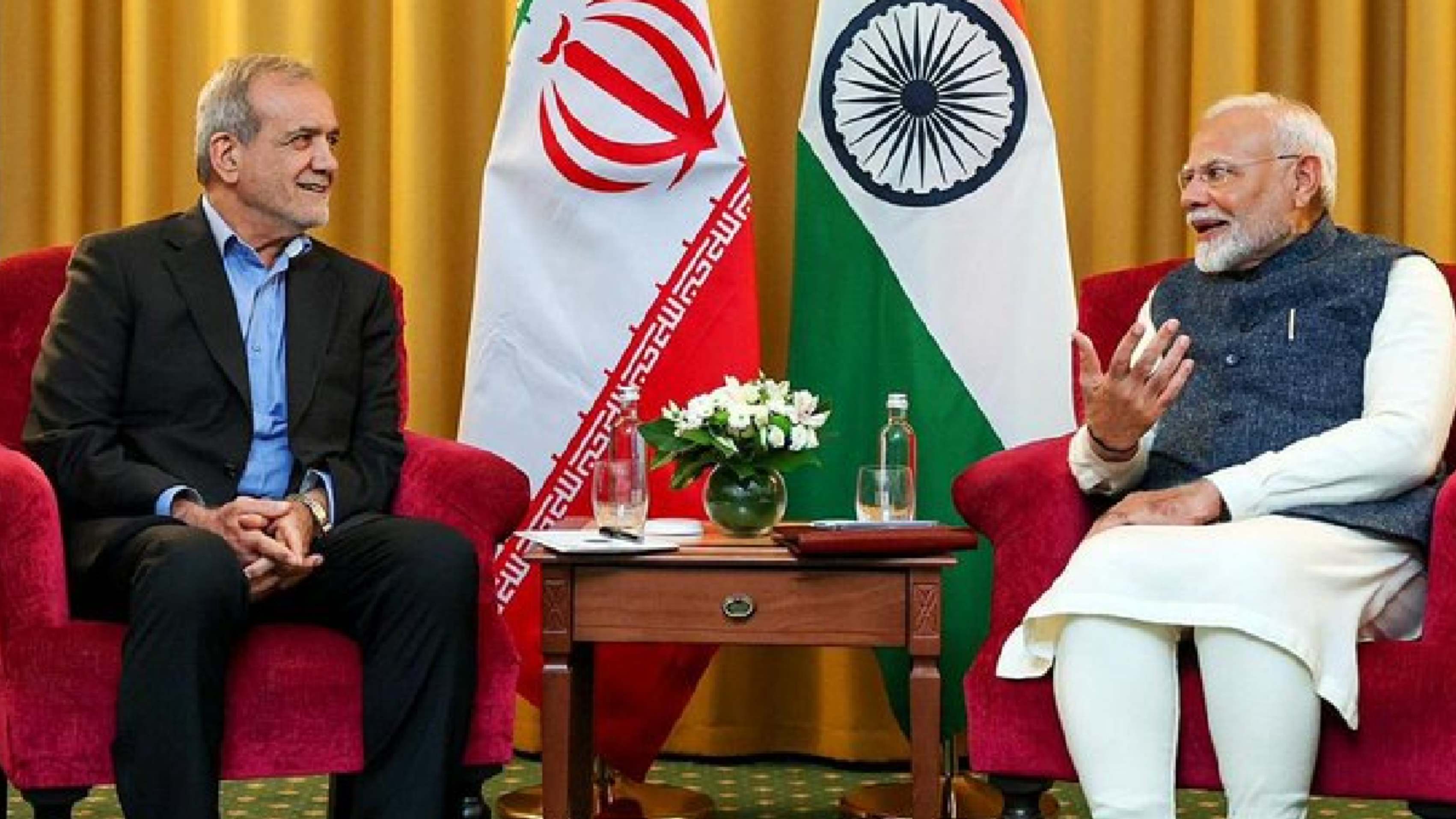
Pezeshkian’s comments have added a diplomatic dimension to the rapidly developing military situation. The Iranian president has said repeatedly that Tehran does not seek to initiate a war, but Iran reserves the right to retaliate if it comes under attack.
Iran has already warned neighbouring Gulf states to not allow their territory or military facilities to be used for operations against Iran. Pezeshkian had also asked regional countries in March to stop Iran's enemies from conducting military operations from their territories and said Tehran would respond if its infrastructure or economic centres were targeted.
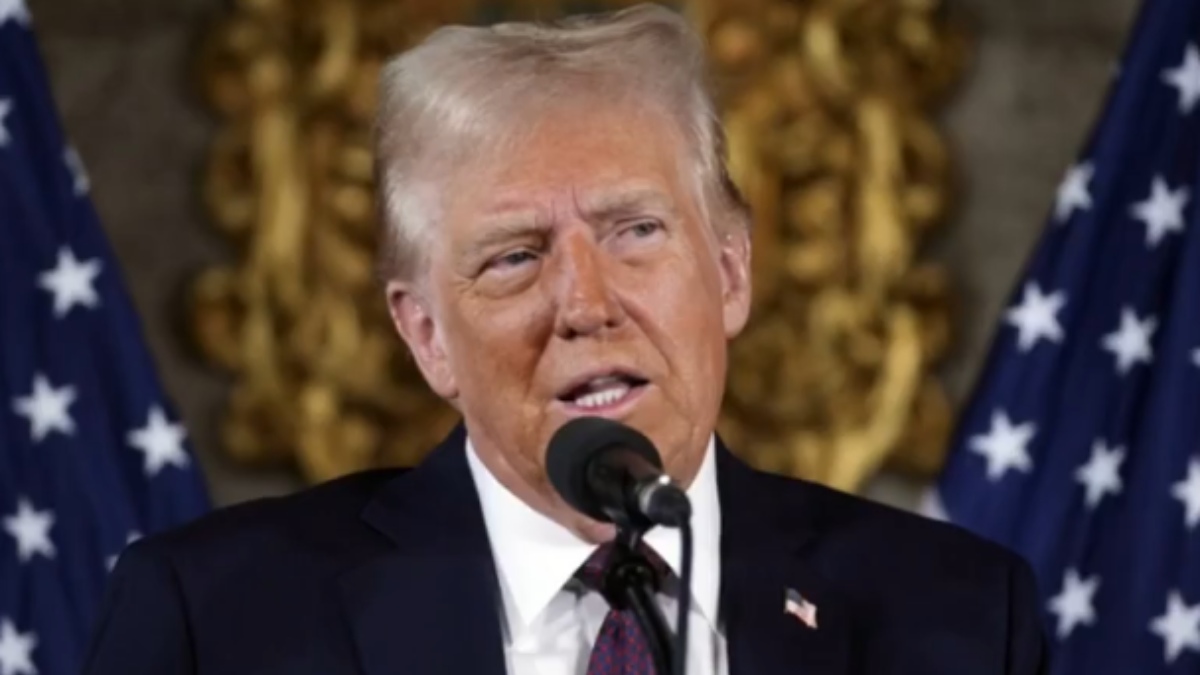
The latest attacks reflect how difficult it may be to contain the conflict within Iran’s borders. Numerous Gulf countries have American military personnel and facilities, making them potentially more dangerous targets to Tehran if the dispute between Tehran and Washington escalates.
Why UAE is important
The UAE has a strategic position in the Gulf and has a close relationship with the U.S in terms of security. American military assets in the country have been at the heart of the region’s operations.
The reported targeting of Al Minhad Air Base is therefore very important. Attacks on US facilities in the UAE are likely to put pressure on Washington’s regional military posture as well as put Gulf states in a more difficult position.
The UAE tried to distance itself from direct involvement in military operations against Iran. But the escalation poses risks to the country’s security, aviation sector, infrastructure and wider economy.
🔴 Iran has launched drone strikes on the UAE’s Al Minhad Air Base, targeting areas hosting U.S. forces and helicopters.pic.twitter.com/A4GR0iyCDr
— Open Source Intelligence (@osint42) August 31, 2026
Conflict Escalates Around Strait of Hormuz.
The latest clash is also closely linked to the Strait of Hormuz, one of the world’s most important energy corridors. The narrow waterway connects the Persian Gulf to Gulf of Oman and is critical for international oil shipments.
The US strikes on Larak Island were described by Washington as a defensive action to prevent Iran from deploying mines that could threaten shipping. Iran, however, viewed the attack as another act of aggression and attacked American military bases.
The renewed fighting has already had an impact on global markets. Oil prices rose sharply after the US strike and Brent crude oil prices rose sharply following the US attack and moved above $90 a barrel on Thursday and investors were worried about the potential for more disruption to energy supplies and shipping through the Strait of Hormuz.
Risk of a wider Middle East conflict.
The latest developments have deepened fears that the Iran-US crisis has spread beyond the Gulf. American forces keep bases and military facilities in several countries in the region and Iran has shown its ability and willingness to attack US-linked infrastructure.
Earlier in the conflict, Iranian attacks had also targeted American military assets and infrastructure in countries throughout the region. The escalation has therefore created a complicated security environment for Gulf governments that host US forces but don’t necessarily want to become direct participants in the conflict.
For Washington, protecting American troops and maintaining access to critical military facilities will remain a key priority. For Tehran, showing its ability to retaliate and not get itself sucked into a war that could play out in an uncontrolled manner is a significant issue.
What happens after this?
The immediate question is whether the latest exchange will remain limited or trigger another cycle of retaliation. The US could respond to attacks on its personnel or military infrastructure and Iran has said it will continue to respond to military action against its territory.
Pezeshkian’s warning that Tehran is not looking for war could provide some room for diplomatic efforts, but the situation remains extremely volatile. Previous attempts to lower tensions have been repeatedly stymied by military developments.
The next few days will be closely watched for further US or Iranian strikes, statements from Gulf governments and any diplomatic efforts to prevent the conflict from expanding.
The Strait of Hormuz is the biggest concern for the global economy and energy security. Longer-term disruptions of shipping through the waterway could push oil prices higher, trigger inflationary pressures, and cause further market volatility globally.
For now, Iran's reported strike on a US military facility in the UAE is just one more major escalation in an already dangerous conflict. Pezeshkian says Tehran doesn't want a war but the continued escalation of attacks and retaliation shows how quickly the conflict could spread across the Middle East.