New York City has announced one of the most restrictive education technology policies in the United States, banning the use of generative artificial intelligence tools by elementary and middle school students for a year and also imposing strict guidelines on screen time in classrooms. The move, made public today by Mayor Zohran Mamdani and city education officials, will affect nearly 600,000 students in the nation’s largest public school system.
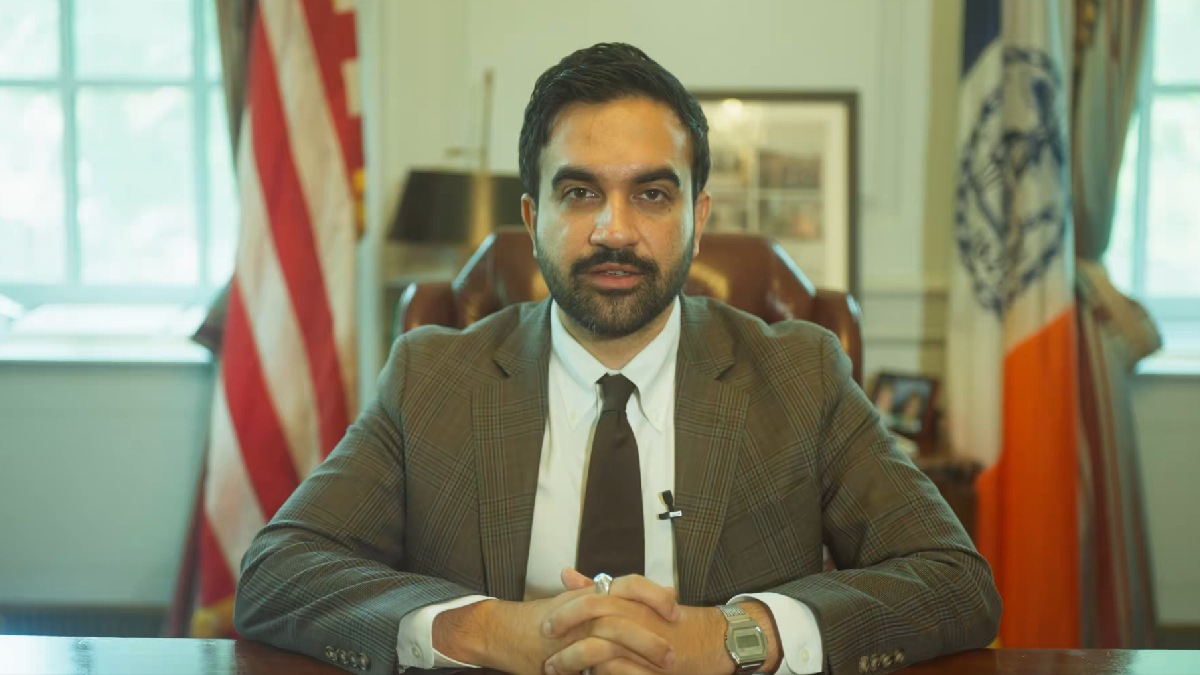
Under the new policy, students from 2-K through eighth grade will not be allowed to use student-facing generative AI tools during the 2026-27 academic year. The city has also suspended the use of dozens of AI-powered educational tools that are currently employed in classrooms as part of a broader review of how artificial intelligence impacts learning and child development.
Mayor Mamdani told us how important human interaction is in education. He said children need teachers, classmates, and real-world problem-solving experiences rather than use AI-powered tools. Schools need to take critical thinking, collaboration and personal growth into account before introducing technology to the education process, the mayor said.
“Children need teachers and human connection to learn and grow,” Mamdani said when explaining the reasons behind the policy. Students should learn together with their peers and develop relationships with teachers rather than rely on AI systems for their learning, he said.
New Screen Time Guidelines
New York City has also introduced new screen time recommendations for students in addition to the AI restrictions. The guidelines recommend daily screen time for students in grades three to five to be limited to 30 minutes, and 45 minutes for middle school students. In addition, digital devices will not be provided to children in preschool to second grade, but schools may still use classroom technology such as interactive displays where appropriate.
The city is also reviewing educational technology platforms that are in use in schools today and will remove those that are not valuable for students to use in school. The goal is to reduce unnecessary digital exposure to children and create a healthier learning environment for them.
AI Still Allowed In Limited High School Settings
Even though the policy does not prohibit younger students from using generative AI, it does not eliminate AI from New York City's education system. High school students will be trained on artificial intelligence in AI literacy modules addressing ethics, bias, critical thinking and responsible technology usage. Limited pilot programs will also allow selected high school classrooms to use approved AI tools under teacher supervision.
Teachers will still be able to use AI for lesson planning and administrative work, though some tasks, such as grading and student monitoring, are restricted.
Growing Debate Over AI in Education
Educators, parents and policymakers are increasingly concerned about AI's impact on young people. Critics argue that excessive dependence on technology can undermine problem-solving skills and encourage academic dishonesty. But AI supporters argue that kids need to be taught how to use the technology in the right way because the technology will be very important in our future work.
For now, New York City has taken a cautious stance. Officials will evaluate the effectiveness of the moratorium before deciding whether to extend, modify, or remove it. The policy puts New York City on the front line of the national conversation about how schools should marry technological innovation with traditional learning methods.