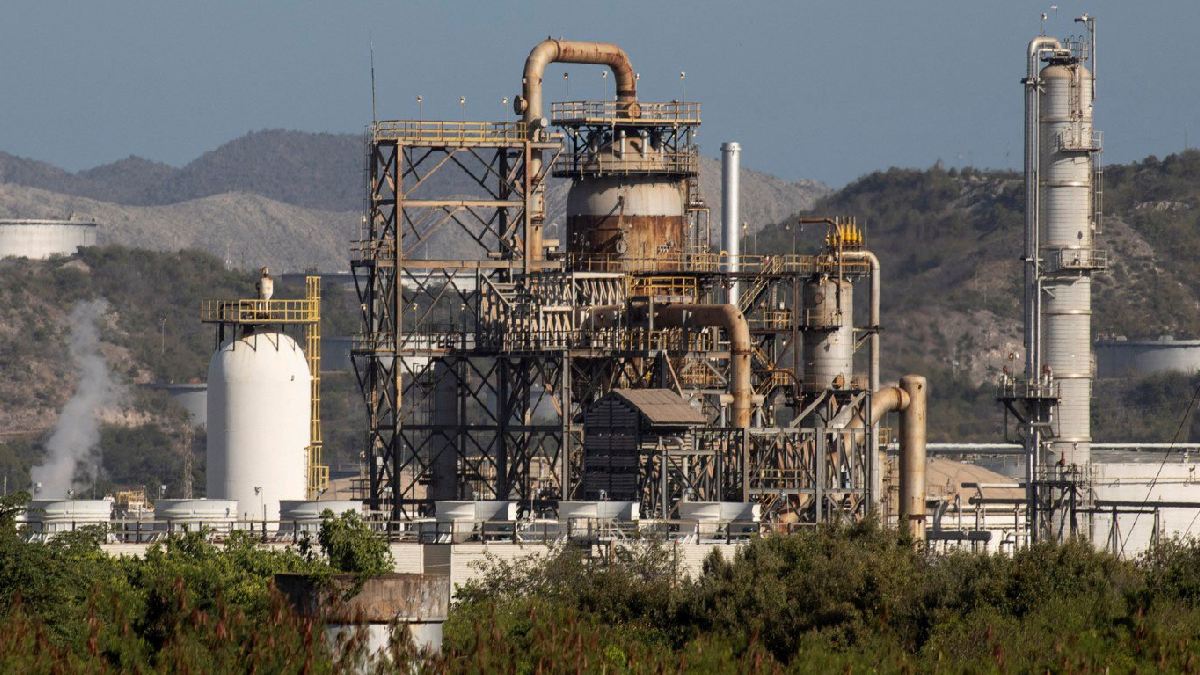
Crude oil had its best weekly increase in weeks, up almost 12 per cent, as growing tensions between the US and Iran fed fears over the stability of oil supplies from the Gulf as the world’s biggest oil-producing region. The sharp rally is a reflection of growing concern amongst investors that an episode in one of the most important oil-producing and shipping routes in the world’s richest and most vital region for oil, and its markets and transportation costs, could threaten the global economy, and inflation.
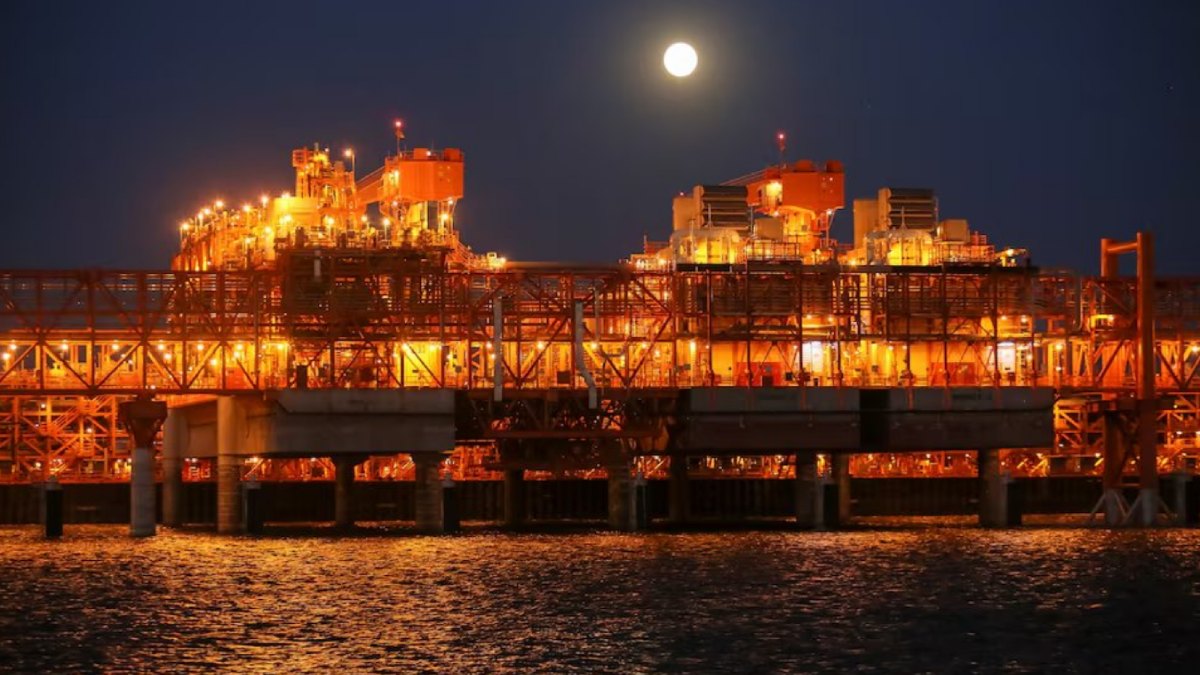
While the Gulf region is still at the heart of international energy trade, it accounts for a large share of the world’s crude oil exports. Any geopolitical battle with major regional players immediately draws the attention of commodity markets because the impact on production facilities, export terminals, shipping routes, and tanker traffic through important waterways can be seen in the market.
The oil traders reacted to the reports of increased military activity between the United States and Iran. Financial markets tend to react rapidly to geopolitical uncertainty in a period of geopolitical risk and crude oil is one of the most sensitive commodities in particular to such news about the United States and Iran. Investors often assume a “risk premium” in those markets, if supply chains could be disrupted, even if no immediate disruption has taken place.
One of the key areas of concern is the Strait of Hormuz, one of the world’s busiest maritime chokepoints for oil transportation. A growing amount of global oil and natural gas is traded through this narrow waterway between the Persian Gulf and international markets. Any threat to safe navigation or shipping operations in the region can have a significant impact on global energy prices very soon.
Energy analysts explain that oil prices are determined by supply and demand fundamentals, inventory levels, the production decisions made by the producers of oil-producing countries, growth expectations of the developing economy, and geopolitical situation. In times of high global tensions and uncertainty, uncertainty can cause price increases in oil prices before supply disruptions to occur.
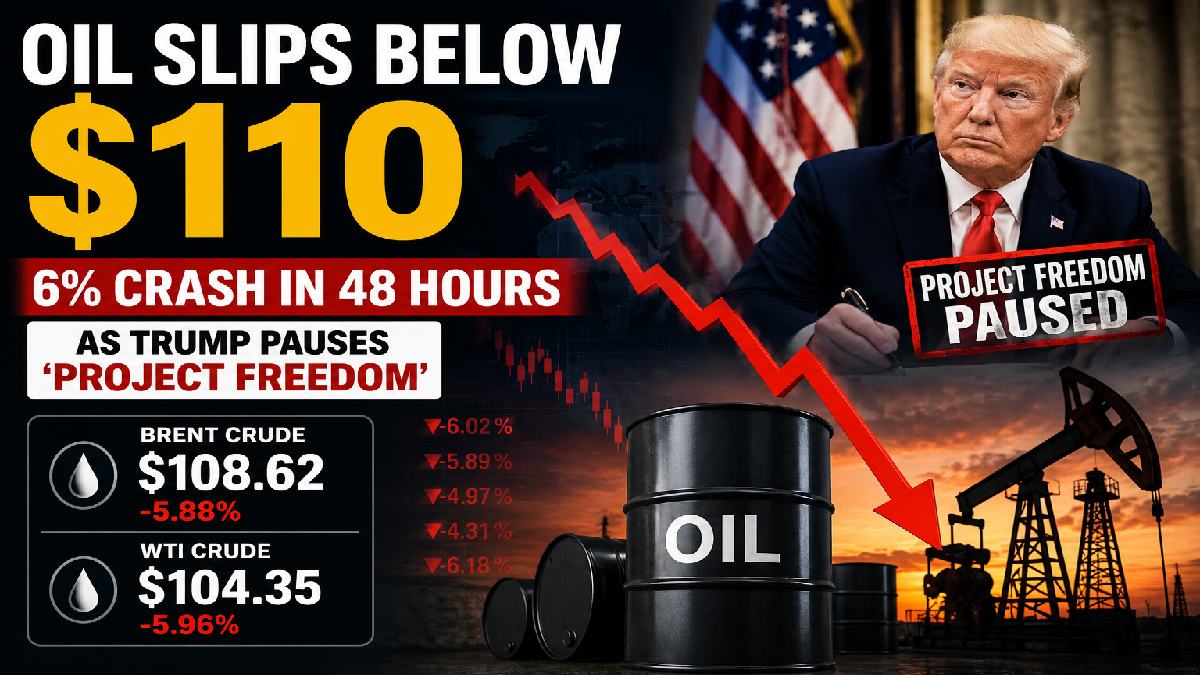
The nearly 12% weekly rise has implications that are not just about energy prices. Higher crude oil prices translate into higher costs for gasoline, diesel, aviation fuel, shipping and manufacturing, for example. Higher transportation and production costs will eventually drive up the prices consumers pay for goods and services which will lead to inflationary pressures for many countries.
If the price of imported crude oil is sustained too high, countries that are heavily reliant on it could see the impact a lot more than others. Rising import prices can put pressure on government finances, widen trade deficits and influence domestic fuel pricing policy further. Central banks are also closely watching oil price movements because it can be difficult to control inflation and also economic growth with an inflation trend that continues to rise.
Financial markets across the world have been cautiously responding to the geopolitical uncertainty. Investors are more likely to invest in safer assets during times of international war and commodity prices (i.e., oil and gold) are usually more volatile. The equity market can also fluctuate depending on expectations for the wider economic effects of long-term geopolitical tension.
The oil producing countries are closely monitoring the situation. Production decisions made by members of the Organization of Petroleum Exporting Countries (OPEC) and its allies and output from non-OPEC members are still key influences on the market and the stability of oil production will remain important. If temporary supply disruptions are ever to take place, enough global production power and strategic petroleum reserves should help in managing them.
Shipping companies operating in the Gulf area are also keeping close watch on developments in the Gulf region. Rising insurance charges, additional security measures, or changes in shipping lines could further raise transportation expenses if tensions persist. Maritime authorities and international organizations still insist that safe navigation along the sea and trade routes must continue to be kept safe.
Energy experts caution that oil markets can experience rapid price swings during geopolitical crises. But if diplomatic efforts are successful and prices can stabilize or soften as risk premiums fall, any increases in production infrastructure or shipping lanes will lead to further oil price rises.
All countries will continue to monitor the fuel market and respond to the situation on the home front. Some countries have strategic petroleum reserves that can be tapped during supply crises to help stabilize markets and to provide energy security.
Oil Gains Nearly 12% This Week as Supply Risks Spread from Hormuz to the Red Sea
— ScalpingX (@ScalpingX) July 17, 2026
🛢️ Brent crude rose 1.25% to $85.28 per barrel, while WTI gained 1.3% to $79.98 in early trading on July 17. Both benchmarks have climbed nearly 12% this week, with Brent heading for a third… pic.twitter.com/OLmoOY54bL
The recent surge in oil prices highlights the close link between geopolitics and global energy markets. Events thousands of miles away will quickly affect fuel prices, transportation costs, industrial production and inflation in the world. Market participants will monitor the diplomatic actions, military developments, shipping conditions and official statements from big oil producing countries.
Consumers and businesses will have to decide in the coming weeks whether the recent price spike is a temporary consequence of geopolitical tension or the start of a longer and more expensive price hike. Until we know more about this, volatility is still going to define oil markets worldwide.