On Friday, oil markets were rocked again by turbulence in global oil markets as investors react to new political worries about the United States-Iran peace deal. Crude prices didn’t rise too far from the highs of the recent Middle East conflict but the US Vice President JD Vance has raised concerns about the long-term stability of the region.
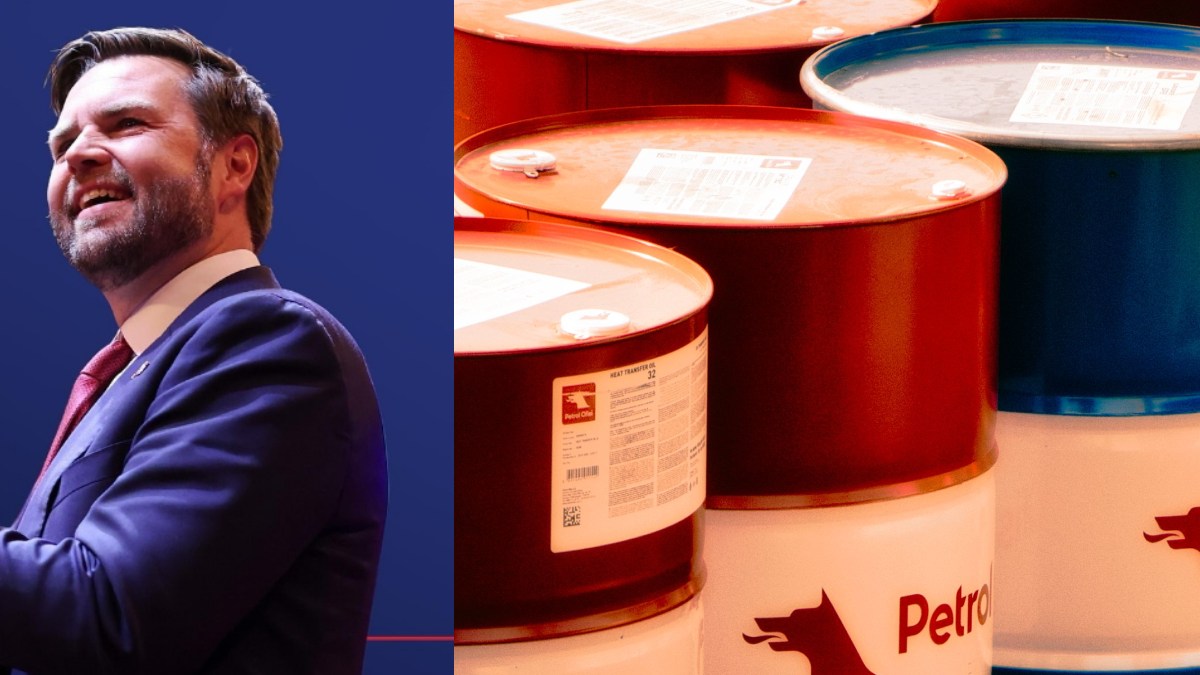
Brent crude fell 0.65 percent to $79.33 per barrel on the London Stock Exchange after briefly touching $79.85. West Texas Intermediate (WTI) crude fell 0.46 percent to $75.50 per barrel. And the price moves were a sign of growing uncertainty among traders that the diplomatic breakthrough between Washington and Tehran is under increasing political pressure as to whether the nuclear deal will survive in the long run.
The market had initially welcomed the US-Iran agreement that opened the Strait of Hormuz to the market and also allowed oil to be slowly re-released. The easing of supply concerns drove oil prices down significantly in the past week. But investors are cautious because there is no clear peace deal.
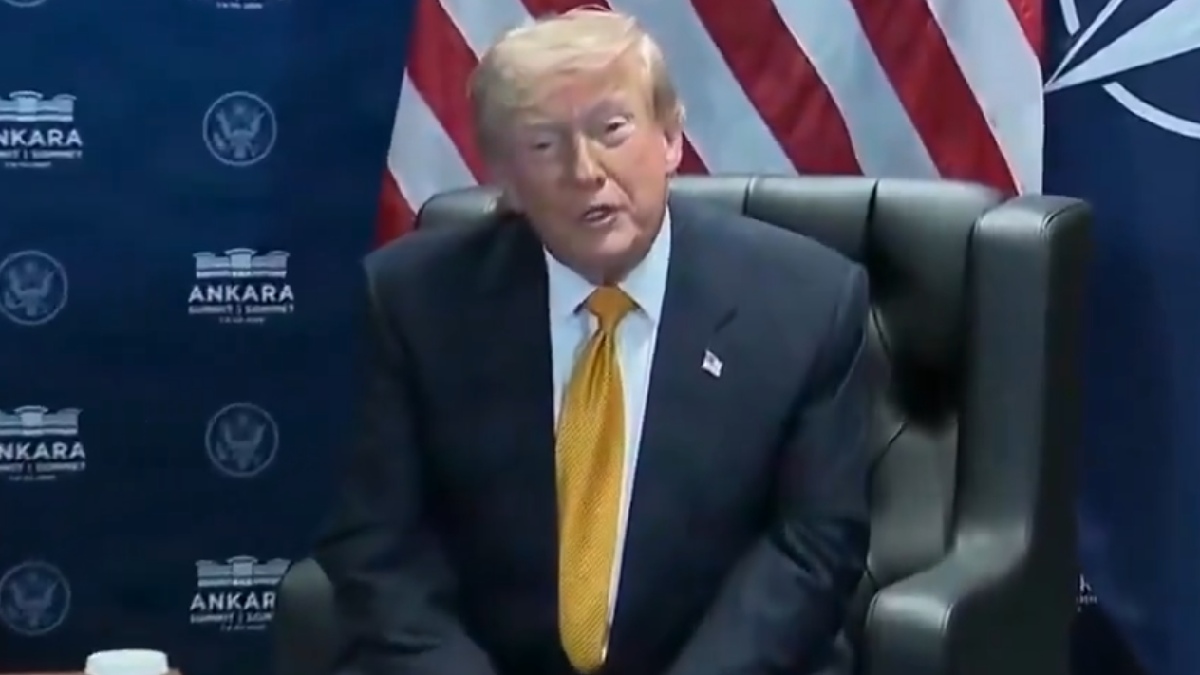
More uncertainty came from Vice President JD Vance’s own remarks at a White House briefing earlier today. Vance rejected suggestions that President Donald Trump had made him the “fall guy” for the Iran deal, a deal that Republicans in Washington have criticized.
“I think the president was joking,” Vance said, referring to Trump’s recent comments that he might blame the vice president if the deal fails. Vance has been publicly defending the memorandum of understanding between the United States and Iran for much of the week.Vance was often overshadowed by Trump despite all his efforts, and his absence from a signing ceremony in Switzerland added to speculation about the deal. Vance would not be traveling to Switzerland, at least for now, the White House said.
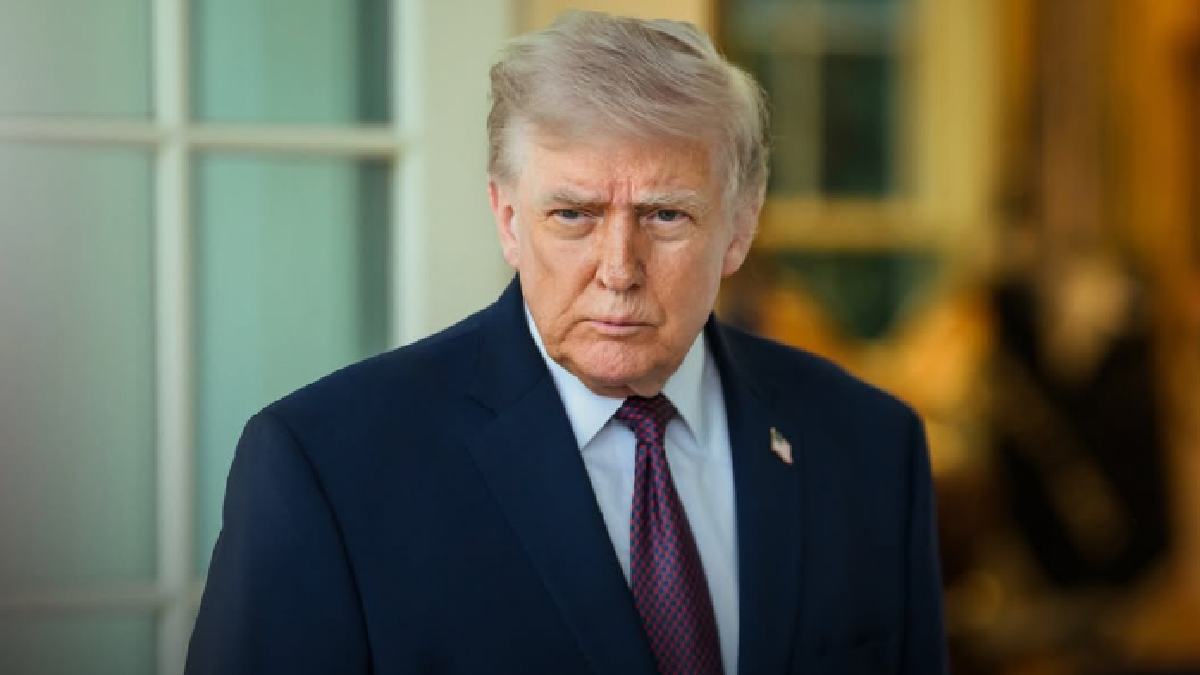
Vance also made his case loud and clear for Israel’s reaction to the agreement, which he said was stronger than what Trump said. His comments have only added to a fraught geopolitical context that is on the rise. Analysts say the divergence of allies could quickly affect investor confidence and energy markets.
So far, oil traders are unsure of whether the peace in the Middle East will remain. The opening of major shipping routes has so far eased supply concerns. But because political tensions have not let up in the Middle East, volatility is likely to become a predominant feature of oil markets in the weeks ahead. Because global energy markets are so closely linked to Washington, Tehran, and the rest of the world, a single political comment can still put crude prices at risk of sliding drastically in either direction.