A major diplomatic breakthrough came from the G7 leaders' summit in France yesterday with U.S. President Donald Trump signing an agreement with Iran to end the Middle East conflict.
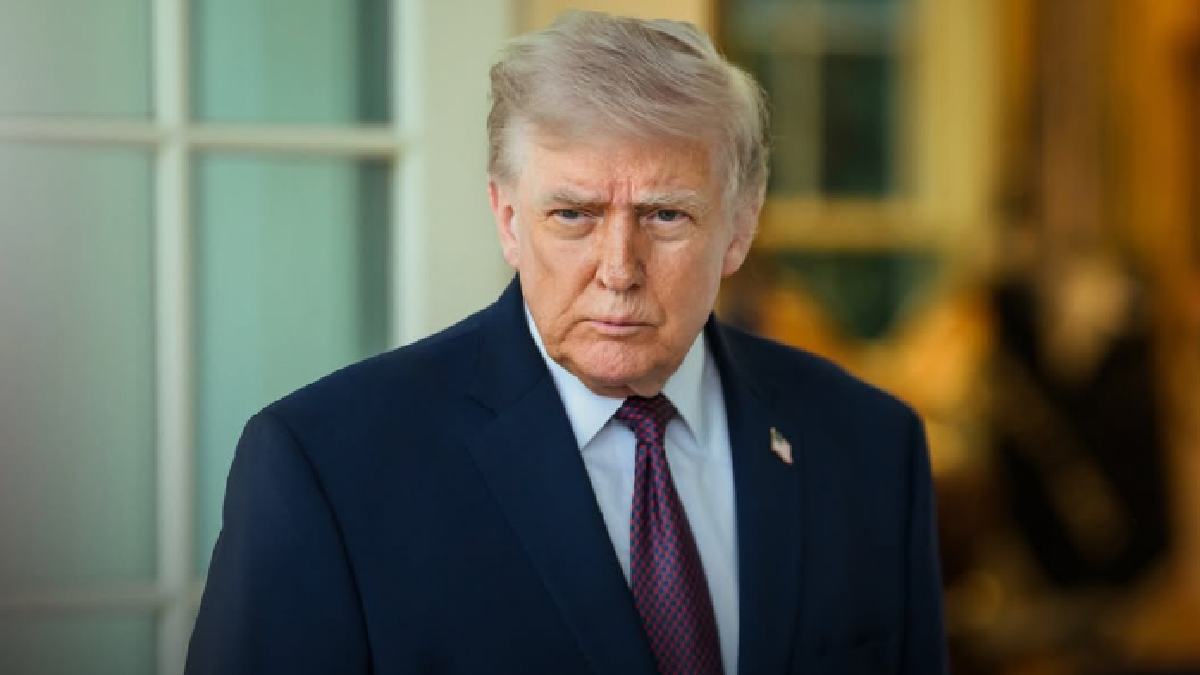
According to a U.S. official who spoke to AFP, President Trump signed the deal in a dinner meeting with French President Emmanuel Macron following discussions around the G7 summit. That report was first published by Axios before being confirmed by the U.S. official.
"Can confirm the signing," the official told AFP when asked about reports that Trump had signed a copy of the agreement at the dinner at the Palace of Versailles.
Although the full details of the agreement have not been made public, officials have described it as an agreement that would halt military hostilities and create conditions for a wider diplomatic process in the region.
Dealing with the Middle East at this time is critical, with rising tensions, military clashes, and growing fears of a wider regional conflict. Global leaders have expressed concern that continued instability would make international security more vulnerable, disrupt energy supplies, and worsen humanitarian crises in many countries.
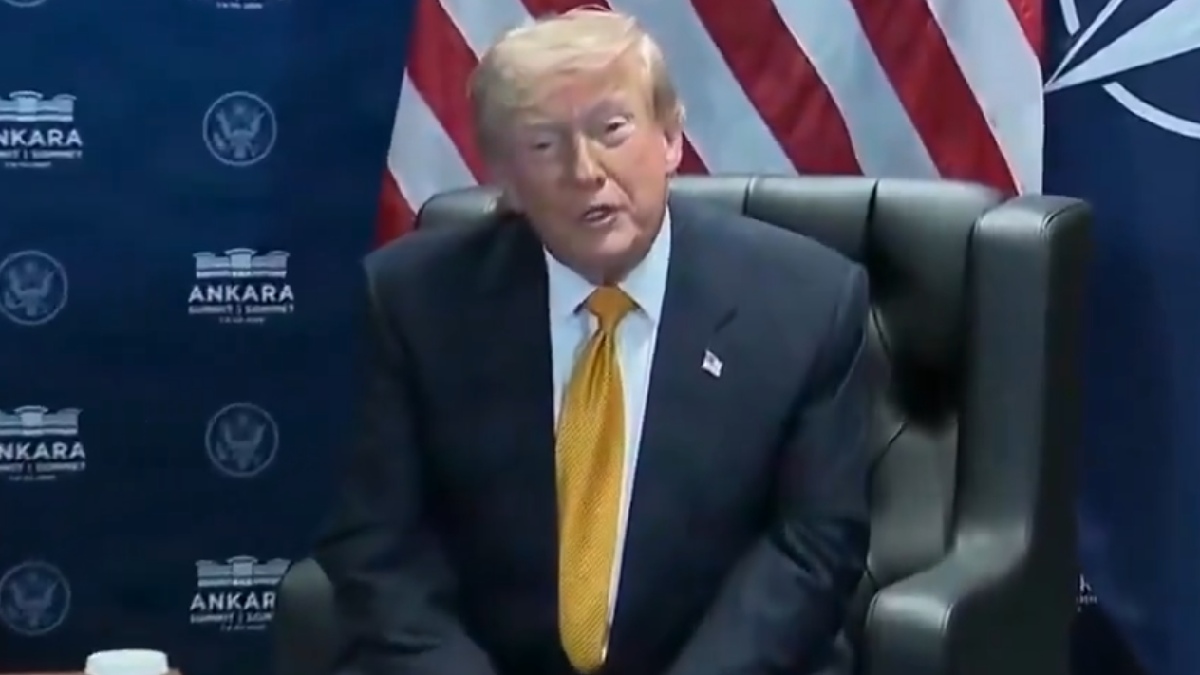
The signing of the agreement has become one of the biggest stories from the G7 summit in Evian-les-Bains, France. Leaders from the world's biggest economies met to discuss problems from the war in Ukraine, economic cooperation, European security, and an increasingly difficult Middle East.
President Trump has frequently contended that direct diplomacy is the most effective way to prevent conflicts from escalating. Though he declined to reveal at the time what the specific details of the agreement are, he said he thought that a lot of progress had been made in negotiations with many international partners.
Emmanuel Macron, who hosted many high-level meetings at the summit, has long advocated for diplomacy as a means to resolve regional disputes. The fact that it was a dinner in France where the two sides signed the agreement underlines the country's role in facilitating dialogue between Washington and Tehran.
International reactions have been measured but cautiously optimistic. World leaders have hailed the possibility of a lower level of tension in the world and noted that the success of the agreement will depend on implementation and adherence by all involved parties.
If the framework achieves a durable ceasefire and fresh diplomatic dialogue, there will be a significant change in the Middle East’s security landscape. A reduced conflict would also ease pressure on world energy markets, where fears of supply disruptions have created uncertainty in recent months.
And yet, there are still many unanswered questions. The White House and Iranian officials will provide more details in the coming weeks, hopefully offering more clarity on the commitments both sides have made.
Whether the agreement will bring lasting peace still feels like it’s a long way from being done. But signing it has already been a major diplomatic moment at the G7 summit and could be one of the most important foreign policy developments of President Trump’s second term.