The week started with crude oil prices mostly up a little bit higher on the day as Iran-US tension and tension between the two countries grew; war-weary oil prices were still rising yesterday as it continued with talks between Iran and the US to reach a peace deal between the two nations in Switzerland. Meanwhile, Asian stock markets also continued to rise and several large-sized indexes rose, even as investors poured money into technology and AI-sensitive stocks.
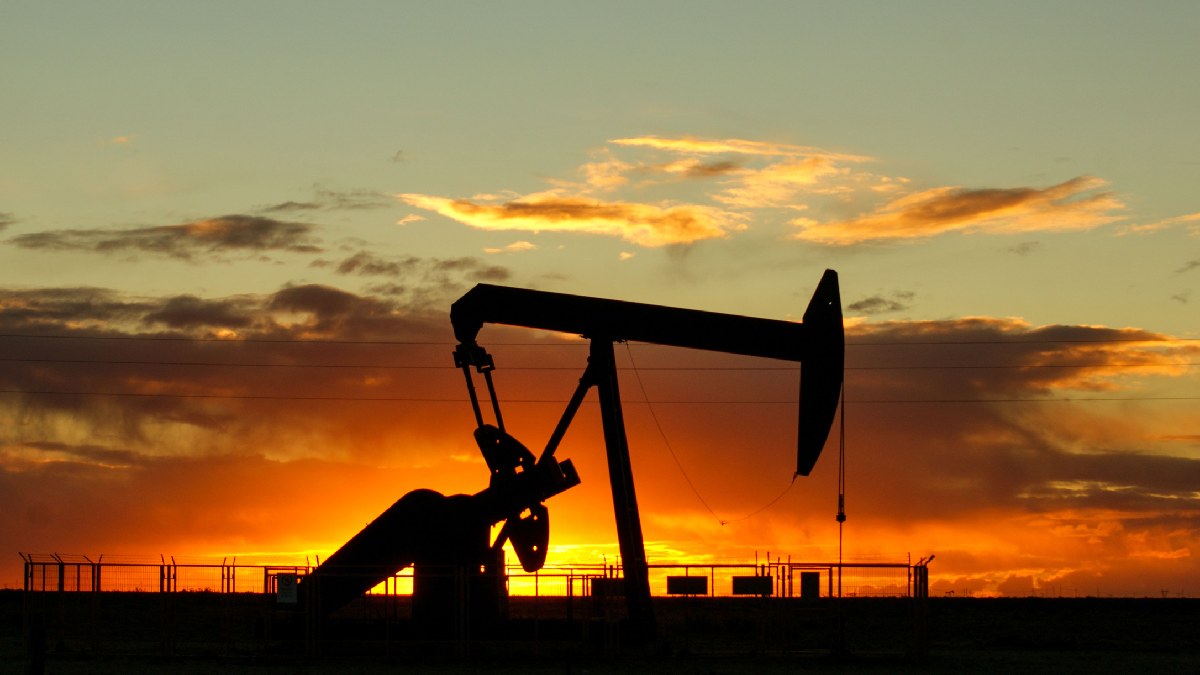
Oil Prices Climb as Strait of Hormuz Tensions Return
The global energy markets were cautious after Iran said it had once more closed the Strait of Hormuz, one of the world’s most critical energy shipping routes.
West Texas Intermediate (WTI) crude rose to around $79 per barrel and Brent crude rose to above $81 per barrel as traders assessed the possibility of further disruptions to global energy supplies.
The latest development comes as relations between Iran, the United States and Israel are rising. Iran’s Khatam Al-Anbiya Central Headquarters claimed in a statement that the United States is violating a ceasefire agreement by allowing Israeli military operations in Lebanon.
With the blatant breach and violation of the first clause of the ceasefire agreement and in view of the continuous and relentless violations of the ceasefire by the Zionist regime in southern Lebanon and their murder and displacement of hundreds of thousands of oppressed people of this land, and the failure of the Zionist occupying forces to withdraw from southern Lebanon, we declare that the Strait of Hormuz will be closed to ship traffic due to the destruction of people of this land and the killing and displacement of hundreds of thousands of oppressed people.

The Strait of Hormuz is still one of the world’s main maritime chokepoints and a major maritime chokepoint for international oil and natural gas exports. The waterway is now a strategic tool of the ongoing conflict between Iran and the United States.
Before the recent escalation, oil prices had cooled down considerably as diplomatic efforts seemed to be taking off. Iran and the United States had been hopeful that the peace talks in Switzerland had made Iran and the United States appear to be closer to a peace deal that might end months of war that had disrupted energy markets across West Asia. But now the Strait of Hormuz closure has once again raised fresh fears of a supply disruption and uncertainty and fears about future supply disruption in the future.
Asian Markets Rally to Record Highs on AI Optimism
When energy markets were interested in geopolitical issues and global politics, the Asian stock markets enjoyed an impressive rally, with strong investor interest in artificial intelligence and advanced technology stocks and AI as well as the emerging technology sectors, and with the AI and advanced technology sectors still on track to continue to rally strongly on the rise in the market.
The country's biggest blue-chip KOSPI index rose 0.94 percent to 9,137.66 as markets followed markets up a bit further. Japan's Nikkei 225 rose 2.05 percent to a record 72,711.36 and investors were feeling optimistic about the country's technology and export businesses.
Taiwan’s TAIEX had one of the strongest performances of the day, jumping 2.87 percent to a fresh all-time high of 47,796.51, led by continued demand for semiconductor and AI-related stocks.
Hong Kong was the only exception to the regional rally. Hong Kong's Hang Seng Index fell 1.37 percent, or 326.75 points, to 23,598.06. Analysts attributed the decline to profit-booking after an extended run of gains and market sentiment to a good start, but optimism in Asian markets was still high.
Investors Focus on Geopolitical Risks and AI Growth
Global investors are currently focused on two major themes that could significantly influence what is going to be an important theme that may influence the direction of the world markets in the upcoming weeks.
First and foremost, the first is risk of geopolitical risk on the Strait of Hormuz, a critical junction for oil transportation worldwide and a key route to oil storage and export. If a crisis continues for a long time, energy prices and inflation globally can be affected.
The second is the continued surge in artificial intelligence and technology investments. So much support for AI-related companies has propelled stock markets in Asia higher and helped to alleviate some of the uncertainty raised by geopolitical tension.
Market Snapshot
Oil Markets
WTI Crude: around $79/ barrel. Brent Crude: around $81/ barrel. Key focus: Strait of Hormuz closure and Middle East tensions
Asian Markets
KOSPI: +0.94% to 9,137.66. Nikkei 225: +2.05% to 72,711.36 (record high). TAIEX: +2.87% to 47,796.51 (record high). Hang Seng: -1.37% to 23,598.06
As geopolitical tension continues to dominate energy markets and AI-driven optimism prompts stock markets to rise, investors are keeping an eye on the Middle East and Asia’s rapidly growing technology sector.