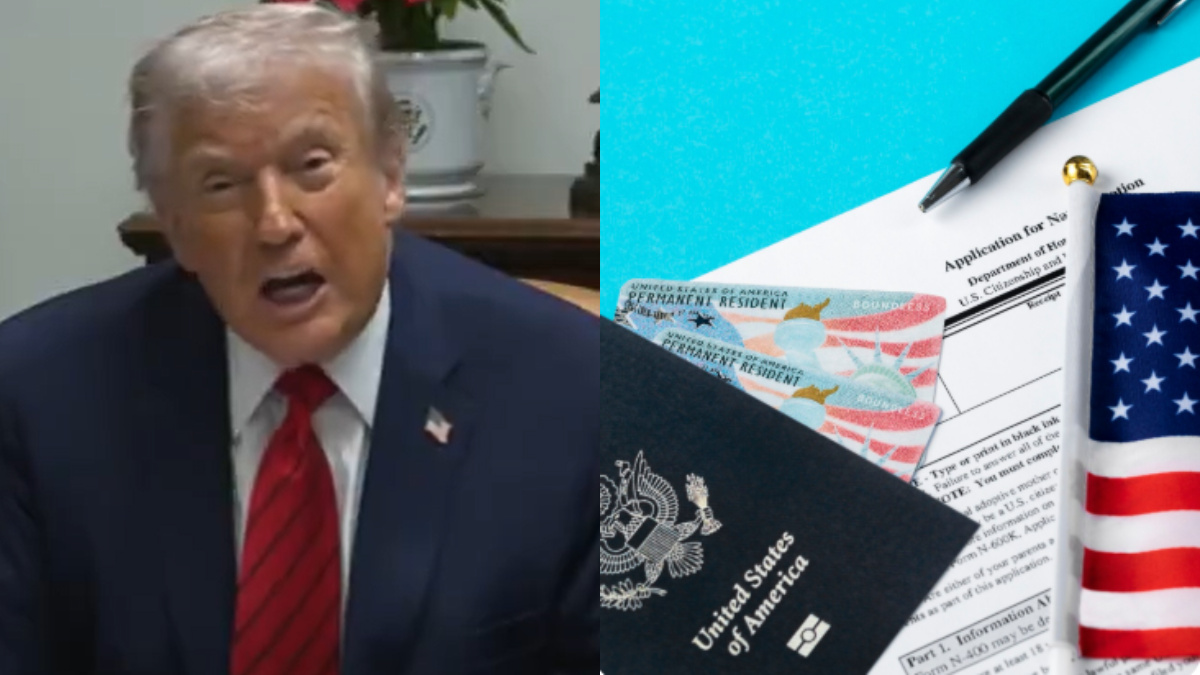
At a landmark event for Silicon Valley’s role in national defense, OpenAI CEO Sam Altman revealed late Friday that the company has reached an agreement with the U.S. Department of Defense the DoW, as the administration calls it to deploy its frontier AI models inside the military’s extremely sensitive classified networks. The announcement comes at a weekend of high-profile drama in the AI world in the wake of President Donald Trump’s executive order forcing all federal agencies to immediately cease using technology from OpenAI competitor Anthropic.
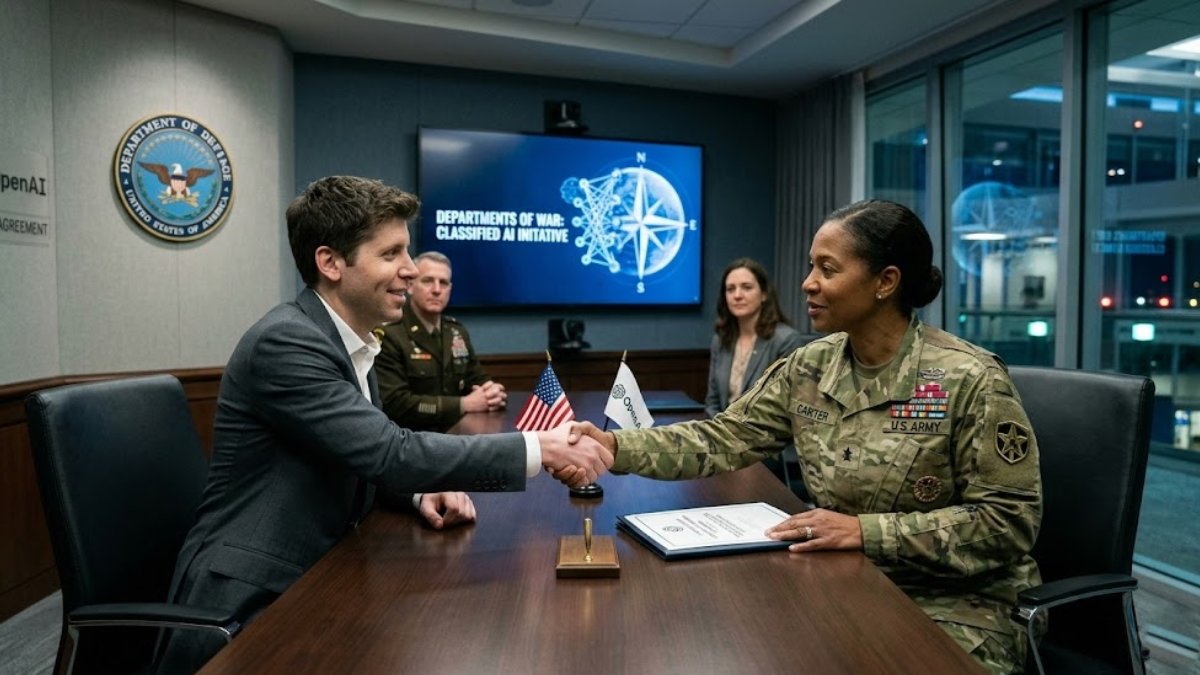
Safety Guardrails and "Red Lines"
Sharing the partnership on X, Altman noted that while OpenAI is adding to its commitment to national security, it is doing so without diluting its foundational safety objectives. The agreement includes prohibitions explicitly that have, Altman said, been “a sticking point” for others in the field. “Two of our most important safety principles are prohibitions on domestic mass surveillance and human responsibility for the use of force, including for autonomous weapon systems,” Altman said.
“The DoW agrees with these principles, reflects them in law and policy, and we put them into our agreement.” To preserve these limits, OpenAI will deploy Forward Deployed Engineers (FDEs) to liaise directly with the Pentagon. And the models will operate solely on “authorized cloud,” not on “edge systems,” effectively keeping them from plugging directly into battlefield hardware like autonomous drones or missiles.
Filling the Anthropic Vacuum
The timing of the deal is widely viewed by industry analysts as a masterstroke of strategy. Only hours before Altman’s announcement, the Pentagon had deemed Anthropic a “supply-chain risk” after the startup denied the military unrestricted use of its Claude models for “all lawful purposes.”
While Anthropic maintained unfettered use could undercut democratic core, Secretary of War Pete Hegseth argued hard: "America’s warfighters will never be held hostage by the ideological whims of Big Tech." By being in agreement that meets the Pentagon’s requirement for classified integration, and yet can maintain ethical “red lines” to maintain transparency, OpenAI has established itself as the United States government’s major partner for some of its most sensitive A.I. efforts.

A $50 Billion Boost from Amazon
And that’s just the Pentagon deal among the big wins for OpenAI this week. At the same time, it confirmed a multi-year strategic partnership with Amazon, which involves a mind-bending $50 billion commitment. The agreement will involve developing a “Stateful Runtime Environment” on Amazon Bedrock which is made to support the enormous compute and memory costs of frontier models that we believe are on their way to the Pentagon’s classified systems.
At the start of this new phase that OpenAI is about embarking on, Altman has called for the government to provide these same safety-centric rules to all AI companies saying it wants to “de-escalate away from legal and governmental actions and towards reasonable agreements.”