In a major ramping up of maritime drug enforcement, United States security authorities confirmed that 11 were killed in a string of high-stakes interceptions targeting suspected drug-trafficking rigs in the Eastern Pacific Ocean and the Caribbean Sea. The maneuvers, made in the last 48 hours, were coordinated efforts between US Coast Guard (USCG) forces and US Southern Command (SOUTHCOM) units. They said when the alleged smugglers turned a blind eye to orders to pull back, the use of lethal force became necessary.
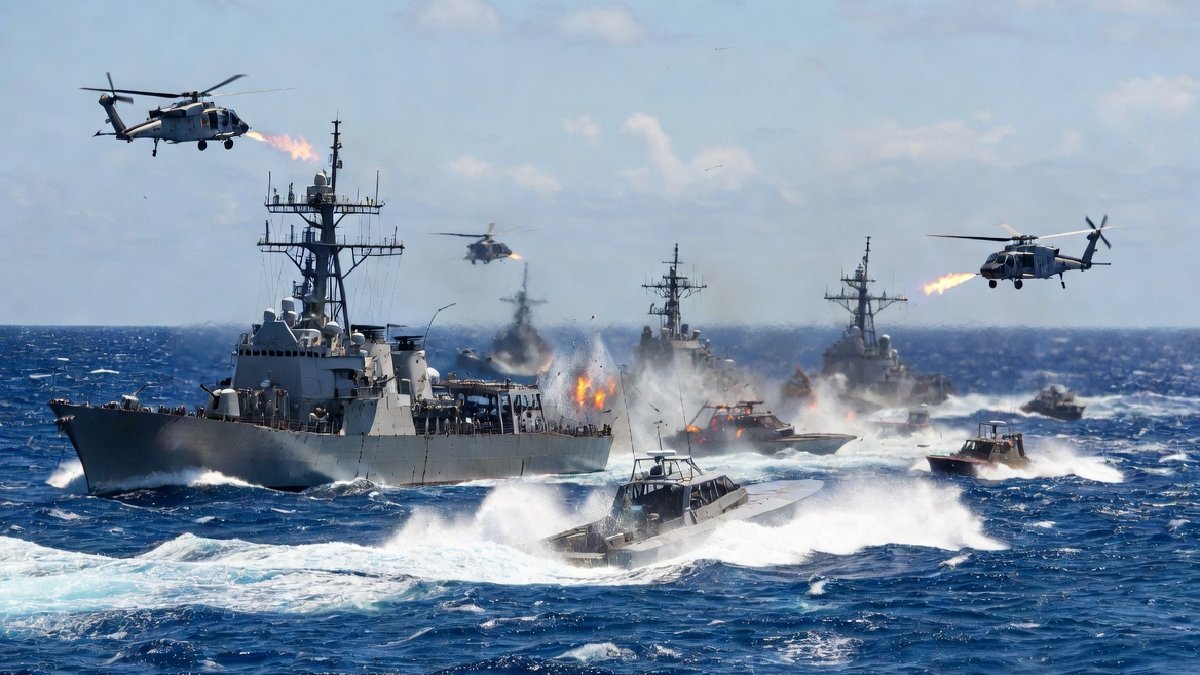
Fatalities: Pacific and Caribbean; Dual Operations
The deaths took place in two separate theaters of operation recognized as key "cocaine corridors" towards North America:
- The Caribbean Disaster: The boarding team for a U.S. Coast Guard cutter hit a “Go-Fast” boat and killed six men. A preliminary report said people who traveled with a suspected drug boat sought to ram the U.S. interceptor craft before defensive fire was activated.
- The Eastern Pacific Strike: Five people were killed in another encounter with a semi-submersible craft. These low-profile vessels are often utilized by cartels to avoid detection by radar. US authorities told ABC News the ship started to scuttle (deliberately sink) during the boarding procedure, resulting in a chaotic deadly clash in the open ocean.
Millions of Contraband seized
International focus turns increasingly toward the loss of lives, but the US military showed the extent of the illegal cargo. Preliminary estimates suggest the dual seizures across the two vessels had a total of over 7,000 kilograms of cocaine and reportedly a street value of more than $200 million.
"Our crews operate in extremely dangerous environments against well armed and desperate criminal organizations," a SOUTHCOM spokesperson told The Washington Post. "The loss of lives is always a tragedy, but the primary task remains for us: to guard our borders and prevent the flow of lethal narcotics into our communities."
Legal and Humanitarian Examination of the Project
The incidents have already attracted the attention of human rights monitors on the norms for involvement in international waters. Though US law makes way for force to prevent vessels from failing to comply with the rule of law when a drug trafficking suspect is suspected, the high number of deaths in these encounters is likely to spur an internal investigation by the Department of Homeland Security.
As of Wednesday afternoon, the identities and nationalities of the 11 people killed have not been disclosed, until relevant foreign governments are notified. More recently, the United States has increased its maritime presence in these areas in an intensified regional move to stem the rise of synthetic and traditional narcotics activity in South and Central America.