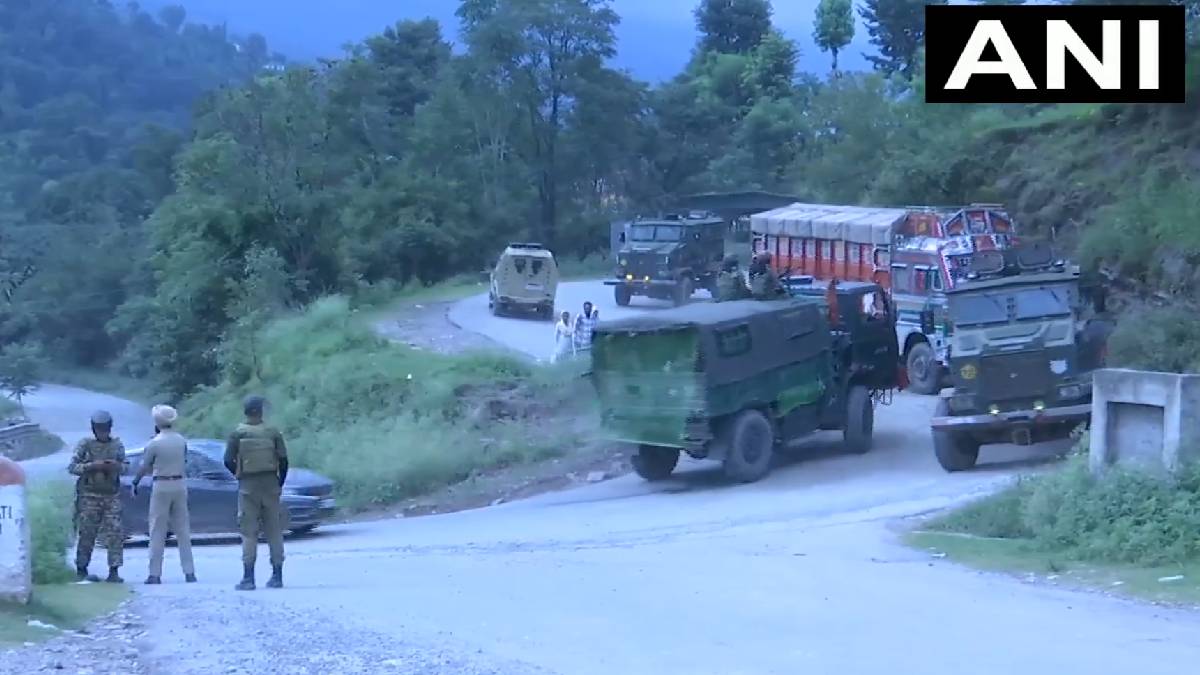
Pakistan's military has strongly rejected the portrayal of the 2025 India-Pakistan conflict in Discovery’s documentary “Declassified: Operation Sindoor”, calling it “factually inaccurate”. The response from Inter-Services Public Relations (ISPR), the media wing of Pakistan’s armed forces, comes shortly after the two-part documentary premiered on August 15.
The documentary covers the planning and execution of Operation Sindoor, the Indian military operation launched following the April 2025 Pahalgam terror attack. It is based on the Indian military leadership, personnel, defence experts, and journalists' voices and the decision-making process which we undertook prior to and after the operation and the military action taken as well.
In the centre of Pakistan's stance is India's view of Operation Sindoor as a total military success. The Pakistani military has not accepted that the operation was “100% mission success” and has claimed only losses to Indian aircraft in the fighting.
Pakistan has also challenged India’s interpretation of how the hostilities ended. The Pakistani position is that the cease-fire was reached after the DGMOs of the two countries communicated. Thus, Islamabad believes that the results should not be read as a final victory of an Indian military.
The question of aircraft losses has been one of the most controversial issues surrounding Operation Sindoor. India and Pakistan had different claims of damage suffered to military assets during and after the conflict. Pakistan frequently claimed Indian fighter aircraft were shot down, while India put forth its own account and challenged some Pakistani claims.
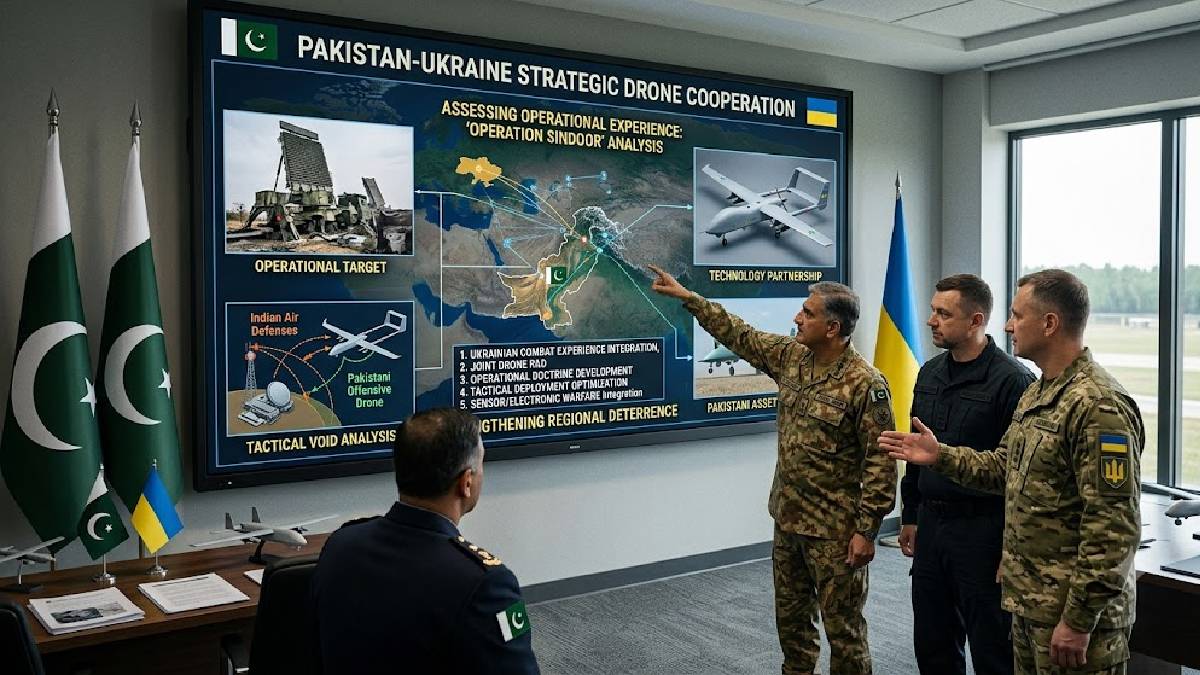
These competing narratives have made independent verification especially important. Battlefield claims made in an active military conflict can be difficult to establish immediately, especially when both sides have strategic motivation to focus on victory and minimize losses. Aircraft losses, damage to military installations and the effectiveness of strikes have been a matter of debate.
The ISPR’s response is significant as the Discovery documentary gives Indian military officials an opportunity to describe the operation from their perspective. The production traces events from strategic discussions following the Pahalgam attack through the planning, authorization and execution of the strikes.
Pakistan’s response effectively challenges that narrative and seeks to place its own interpretation of the conflict alongside the Indian account. The dispute shows that the battle over Operation Sindoor is not only military and it is also about the information environment in the war.
The documentary is also part of a growing effort to bring the events of Operation Sindoor into the public domain. The story of the operation and military planning didn’t become public for months after the fighting. A documentary with senior military figures therefore gives viewers a better look at what India told us all about the operation.
More broadly, the dispute is the continuation of the information war between India and Pakistan. With the war, social media platforms were awash in videos, photos and claims of battlefield development. Some of the content was later found to be old, misleading, digitally altered or unrelated to the events being discussed.
Pakistan had already released its version of the conflict and included what it said was evidence of the losses of Indian aircraft and damage that Indian acts had caused. India has repeatedly emphasized the objectives and accomplishments it has achieved through Operation Sindoor.
So this latest dispute is much bigger than a dispute over a television documentary. It is just one more development in the long-standing debate between Delhi and Islamabad about the future of the 2025 conflict.
Operation Sindoor has also become part of a larger political, military and cultural story in India. Apart from the Discovery documentary, a Bollywood film based on the operation is being staged by filmmaker Vivek Agnihotri and producer Bhushan Kumar. This project is inspired by Lt Gen KJS “Tiny” Dhillon’s book *Operation Sindoor: The Untold Story of India’s Deep Strikes Inside Pakistan*.
As more stories have emerged of the operation, it is quite likely that competing claims will continue to be heard. The main questions of the conflict, including the amount of damage that was done by military forces, aircraft losses, the true targets and the reason for the cessation of hostilities, are very important for both countries.
For now, Pakistan’s rejection of the documentary shows that Operation Sindoor remains contested not only in terms of its military consequences but also in terms of how its history will end up being recorded. India and Pakistan’s competing narratives will remain a big part of the larger geopolitical tension between the two nuclear-armed neighbours.