Pakistan is experiencing yet another major debate between its civilian government and military power-sharing with Field Marshal Asim Munir as its top power centre.
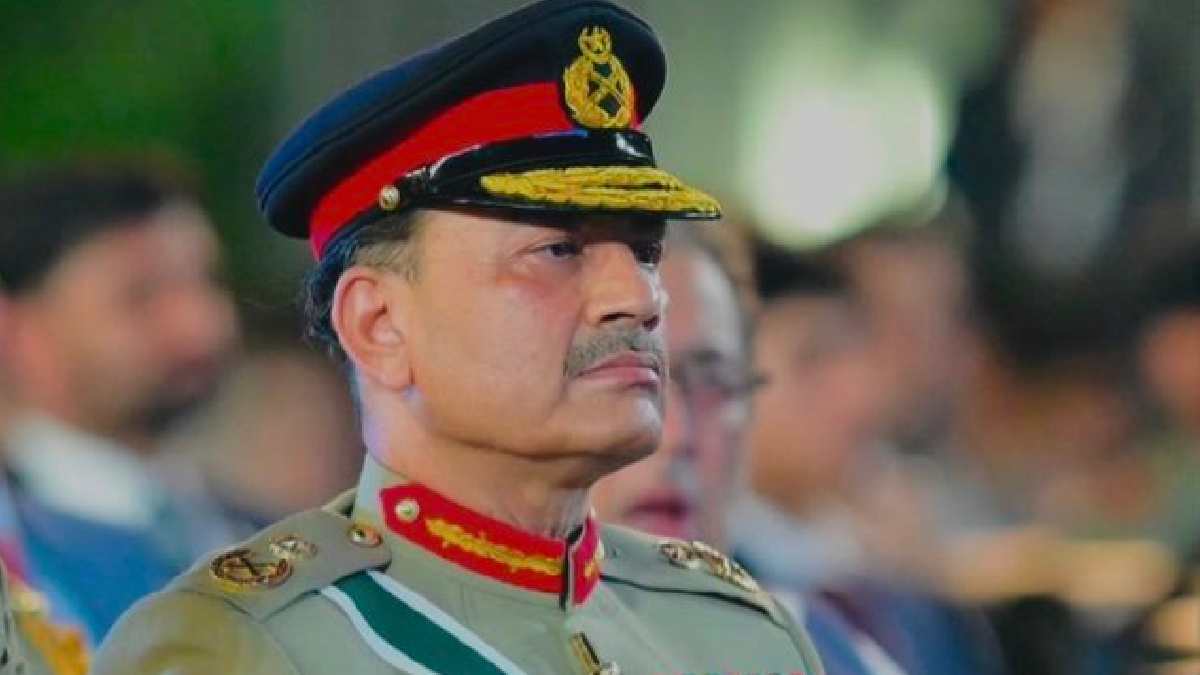
A move toward a presidential system has caused some to wonder if Pakistan can move further away from the parliamentary model of government and give more power to the military.
Pakistan currently operates under a federal parliamentary system in which the prime minister is the chief executive and the president is the head of state.
A move to a presidential model would hence not only entail a significant change in the country’s political structure but the political process as a whole would become more complex.
The discussion comes after a series of constitutional changes that have already strengthened the position of the military leadership. Pakistan’s 27th Constitutional Amendment created the position of Chief of Defence Forces, which Munir holds simultaneously and is the supreme power of the army. And the changes also raised the protections and privileges of the military leadership.
The transformation has gradually consolidated the military’s influence over state institutions, analysts say. A Carnegie Endowment analysis published in May 2026 said Munir had steadily consolidated military control and formalised the armed forces’ dominant role in Pakistan’s constitutional framework.
The possibility of a presidential system is particularly important in that it might concentrate executive power in one office. But until now, no official announcement has been made that Munir is formally seeking the presidency or that Pakistan’s government has approved a presidential transition.
The suggestion is political speculation and not a policy decision.
Munir’s growing influence has nevertheless intensified debate over Pakistan’s democratic institutions. Critics are concerned that the military’s growing power would further undermine civilian oversight and supporters of stronger executive authority could offer a presidential model as a way to improve political reliability and decision-making.
The military’s influence comes at a time when Pakistan is seeking a bigger strategic role internationally. The recent defence cooperation with Saudi Arabia and Turkiye has increased Islamabad’s geopolitical profile and is evidence of the role of its military in foreign and security policy.
For Pakistan, the bigger question is whether the country adopts a presidential system. It is whether any future constitutional restructuring maintains a meaningful balance between elected institutions and the armed forces.
As Asim Munir still shapes Pakistan’s political landscape, speculation about the country’s future governing model is likely to remain a major subject of regional attention.
Any concrete move toward a presidential system would require huge constitutional and political changes and might alter Pakistan’s civilian leadership’s relationship with its powerful military establishment.