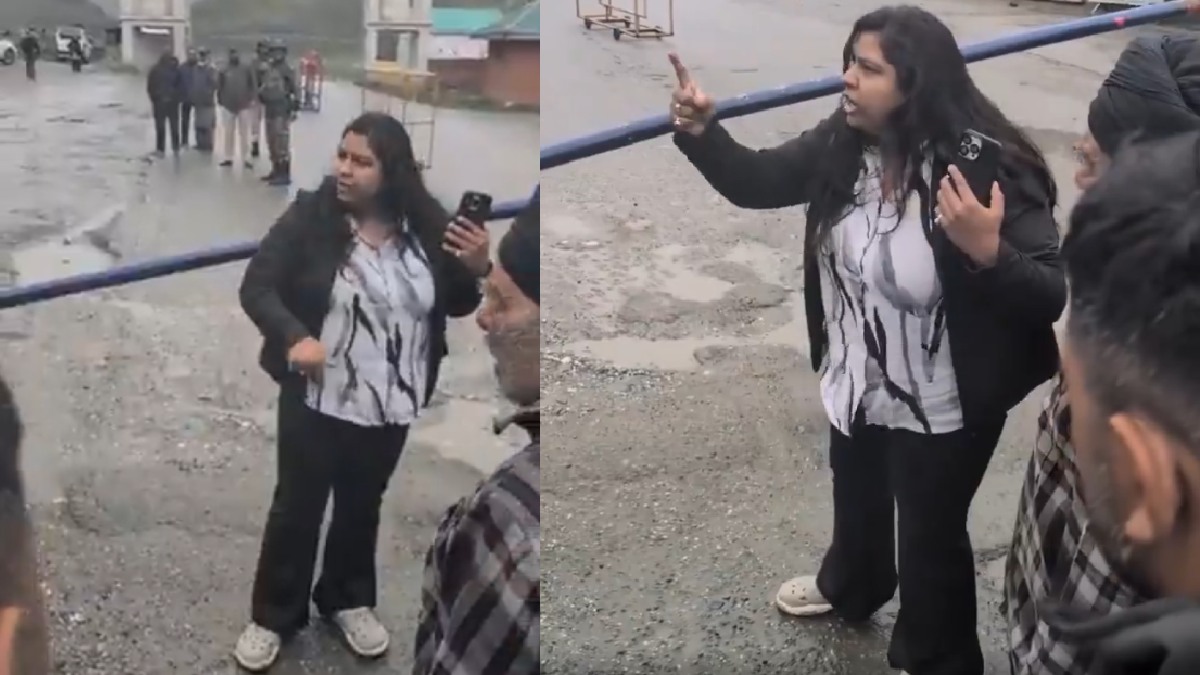
Kerala is very much different from Uttar Pradesh in terms of economic size, population, urban infrastructure and quality of life. Although Uttar Pradesh has a much bigger overall economy and population than Kerala, people of Kerala are usually more clean and orderly.
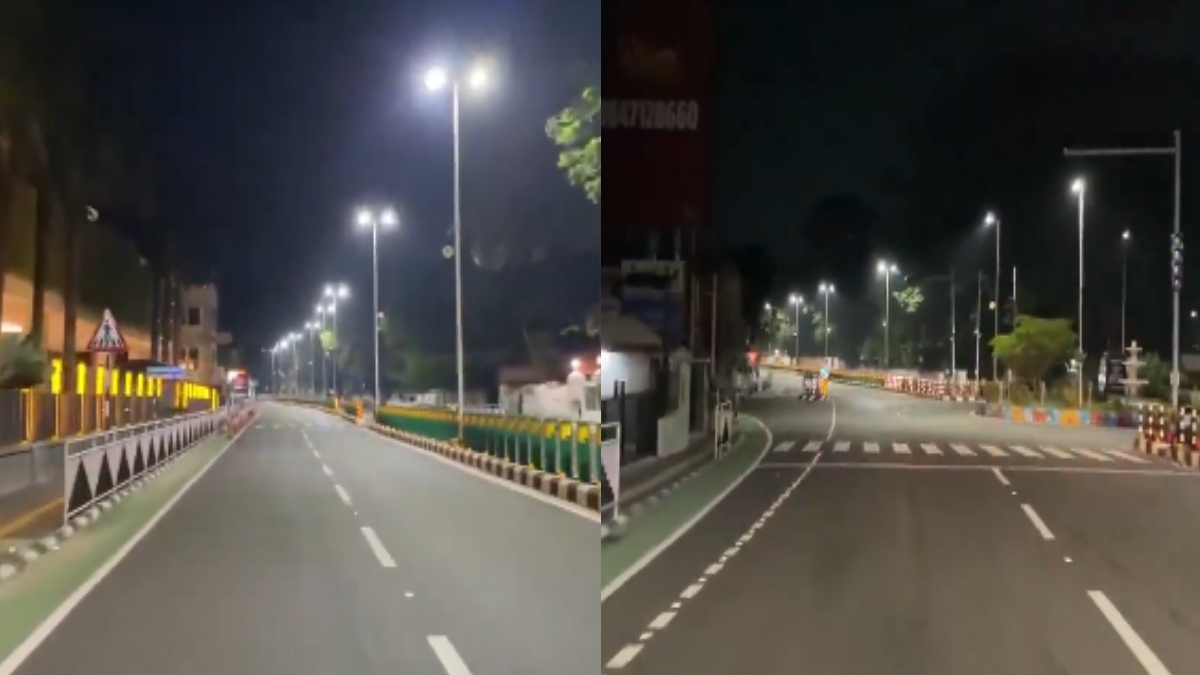
The comparison begs the question: how can a state with a much smaller economy build a city that is seen by people as clean, healthy and orderly?
The answer is not simply about the size of a state’s Gross Domestic Product. A state’s economic output does not automatically translate to cleanliness on streets, efficient waste collection or well-maintained public spaces. These outcomes are affected by local governance, population density, municipal capacity, public participation, education, sanitation systems, land-use patterns and how communities interact with public spaces.
Kerala has a long history of decentralised local governance. Local organizations - municipalities, municipal corporations, panchayats and other community-level organisations - play an important role in providing basic civic services. Decentralisation can help local authorities to find problems and solve them closer to where they occur and respond to local communities. Kerala’s local-level planning and public participation approach has been the basis of this system.
Kerala has a high literacy and social development level and, in addition, it is also a very large part of the population. Education does not necessarily guarantee cleanliness, but greater awareness of public health, sanitation and civic duties can influence community behaviour. Kerala has paid so much for education and basic social services for so long that people are more likely to know about public health issues.
Waste management is another area where Kerala has tried decentralised solutions. Instead of relying entirely on large centralised dumpers and disposal systems, some local bodies have been promoting household-level waste segregation, community composting and material recovery and other decentralised systems. In some ways, the effectiveness of the approach varies from one place to another, but at the national level, the basic idea is to treat waste management as a collective civic responsibility and not just something municipal workers have to manage.
Kerala's physical geography and settlement pattern also shape how its cities look. The state has a very much linear settlement pattern and homes, shops and businesses are spread over fairly small distances rather than concentrated only in a few massive metropolitan centres. Many areas are also made up of residential areas, commercial buildings, plants and agricultural land. So a visual environment can feel at least a little less busy than highly concentrated urban centers.
Population pressure is particularly important in the comparison of Kerala to Uttar Pradesh. Uttar Pradesh is India’s most populated state and has a population many times larger than Kerala. The cities and rapidly growing urban area face enormous challenges in maintaining roads, drainage, sanitation, waste collection, parking and public spaces for millions of residents. Even if municipal authorities make significant investments, the sheer scale of demand may make maintaining urban cleanliness difficult.
Another challenge is rapid urbanisation. If cities grow faster than the infrastructure, informal settlements, traffic congestion, construction activity and inadequate drainage can be placed on the municipal system, municipal systems can struggle.
The population growth in North Indian cities is so fast and urbanisation is so rapid that the civic infrastructure is not always able to keep up. Kerala has its own urban problems too, but there is a different settlement and development history of the city.
Public behaviour also matters. Clean cities are not created simply by government spending. Waste segregation, avoiding littering, protecting public infrastructure and maintaining common spaces need to be done by residents, businesses and institutions. Kerala’s social development indicators and community networks have helped to build higher expectations around some public services, yet the state is certainly not free from littering, waste-management problems or urban pollution.
It is important not to turn the comparison into a simple Kerala-versus-North-India stereotype. Uttar Pradesh is a very diverse state, with cities’ cleanliness and infrastructure quality very different. Lucknow, Noida, Kanpur, Varanasi, Agra and several smaller cities have different levels of infrastructure and civic management. Similarly, Kerala has cities and towns that struggle with waste disposal, traffic, flooding, narrow roads and inadequate urban planning.
The comparison will also have to take into account the different economic structures. Kerala provides services, tourism, remittances and human capital-intensive activities, while Uttar Pradesh has a much larger agricultural base, manufacturing, services and rapidly growing urban economy. GDP per capita and distribution of economic activity can therefore be more relevant when assessing living conditions than the total state GDP.
Kerala’s other reason that is particularly clean is the relationship between greenery and development. Vegetation is present in much of the state, and even in built-up areas trees, gardens and patches of greenery are still present. This creates a visually cleaner and more pleasant environment even when infrastructure issues persist. But in densely built-up cities with high traffic and a lot of construction, a more chaotic atmosphere, no matter how much money has been invested, can be created.
Kerala’s experience shows that urban cleanliness is a governance problem rather than a wealth one. Municipal institutions that are decentralised, public interest-led, sanitation awareness, waste segregation and enforced consistently can make a difference. Money matters, but how governments convert resources into dependable daily services is also key.
The comparison between Kerala and Uttar Pradesh is therefore a lesson for Indian cities as well. Rather than asking which state is richer, policymakers could examine which systems deliver better outcomes at the neighbourhood level. Clean streets, functioning drainage, regular waste collection, maintained public spaces and responsible civic behaviour are the outcome of years of institutional development and community involvement.
This is Kerala with GDP of $168 billion. compare this with UP which has GDP of $360 billion. Almost double of Kerala
— Radio India 🇮🇳 (@Radio_India_) August 19, 2026
Now show me one city/town in UP as clean as Kerala cities. Kerala towns are on diff level.
What is Kerala doing differently from North Indian Cities ? pic.twitter.com/yMsYjjbRSw
Kerala is not a perfect model, and its towns are still struggling. But the decentralised governance, social development, local involvement and waste-management initiatives it is focusing on have lessons for other parts of India.
At the same time, Uttar Pradesh’s huge population, rapid urban growth and geographically diverse geography make its problems even more complex. This is why it is very important to know those differences if India’s cities are to become cleaner, healthier and more liveable in the years to come.