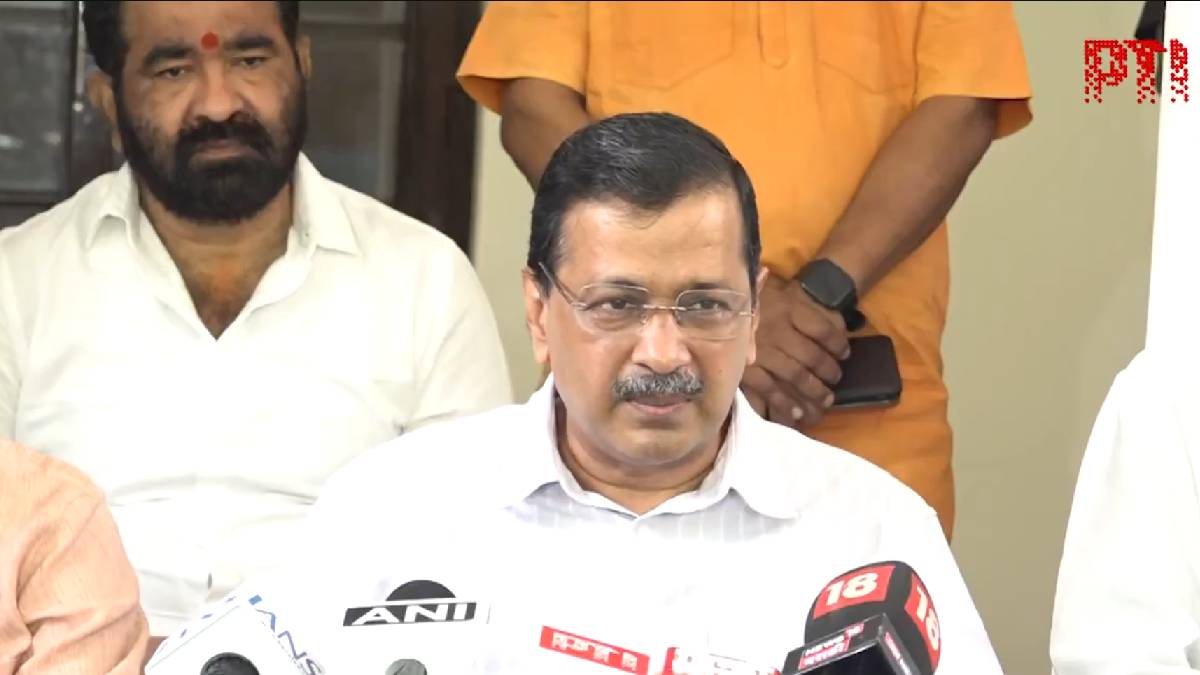
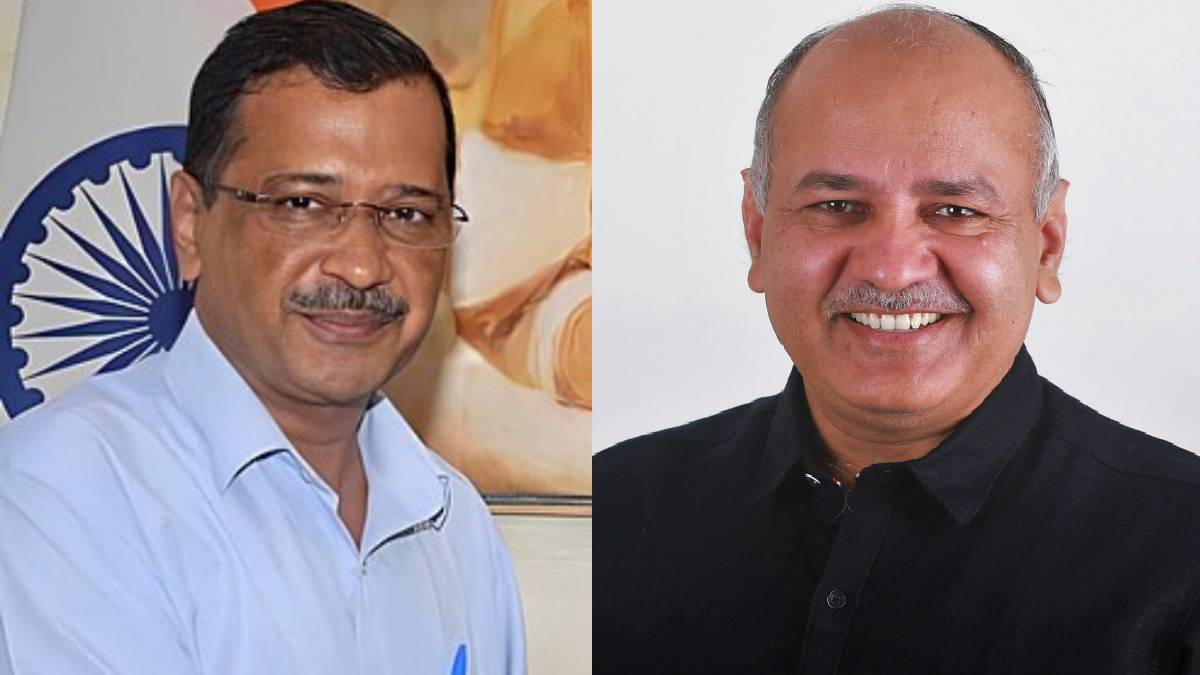
And Satyendar Jain's arrest by Delhi Police’s Anti-Corruption Bureau (ACB) led to a fresh political tension in the AAP and BJP on Tuesday as political manipulations for the third time in a week between the former Delhi minister and AAP leader Satyendar Jain and BJP. Jain was arrested by the Delhi Police’s Anti-Corruption Bureau (ACB) on August 18 for the tendering system for STPs upgradation and augmentation under the Delhi Jal Board (DJB) for upgrade and expansion of sewage treatment plants (STPs).
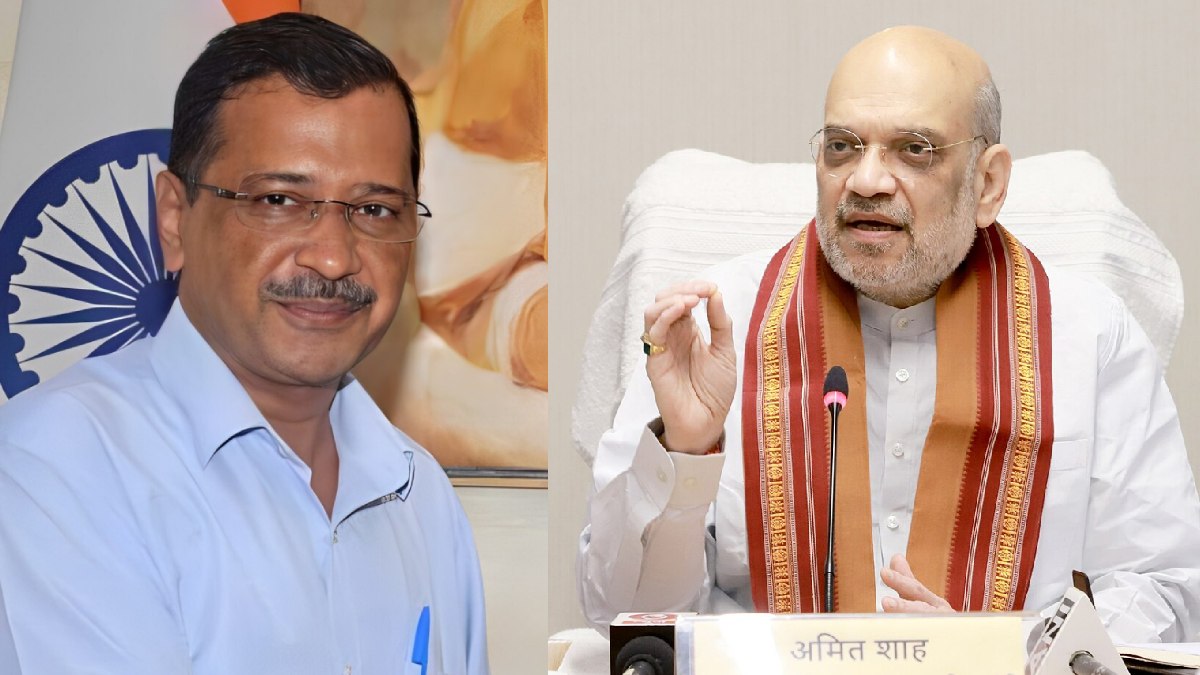
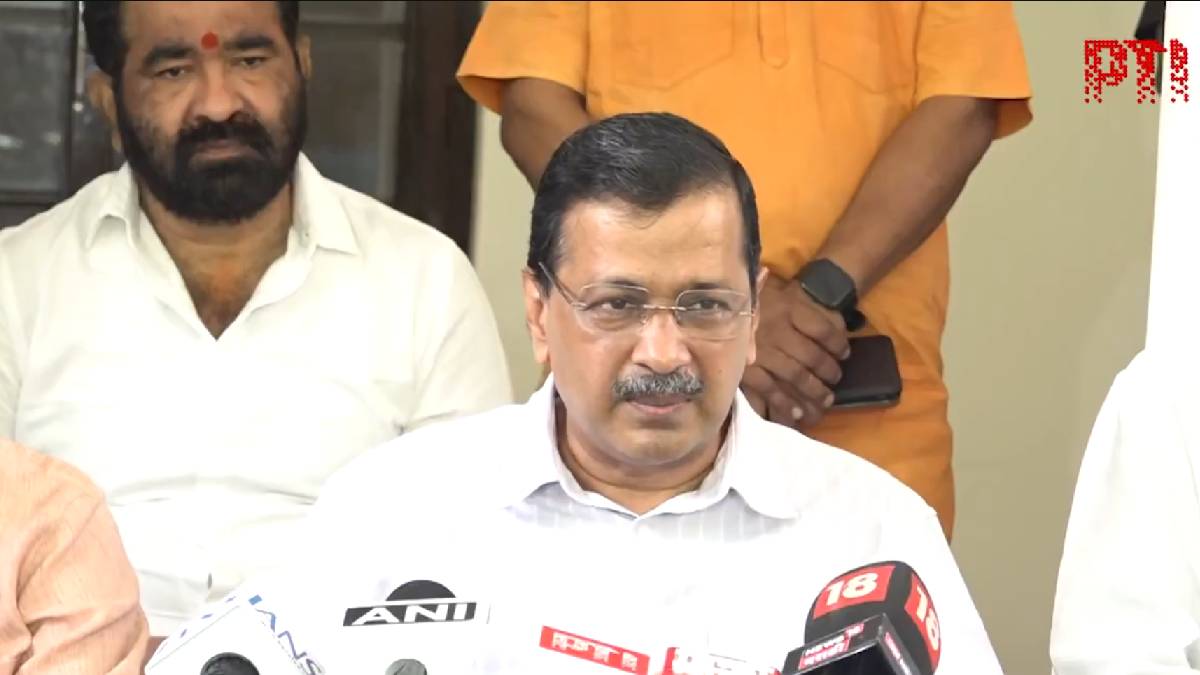
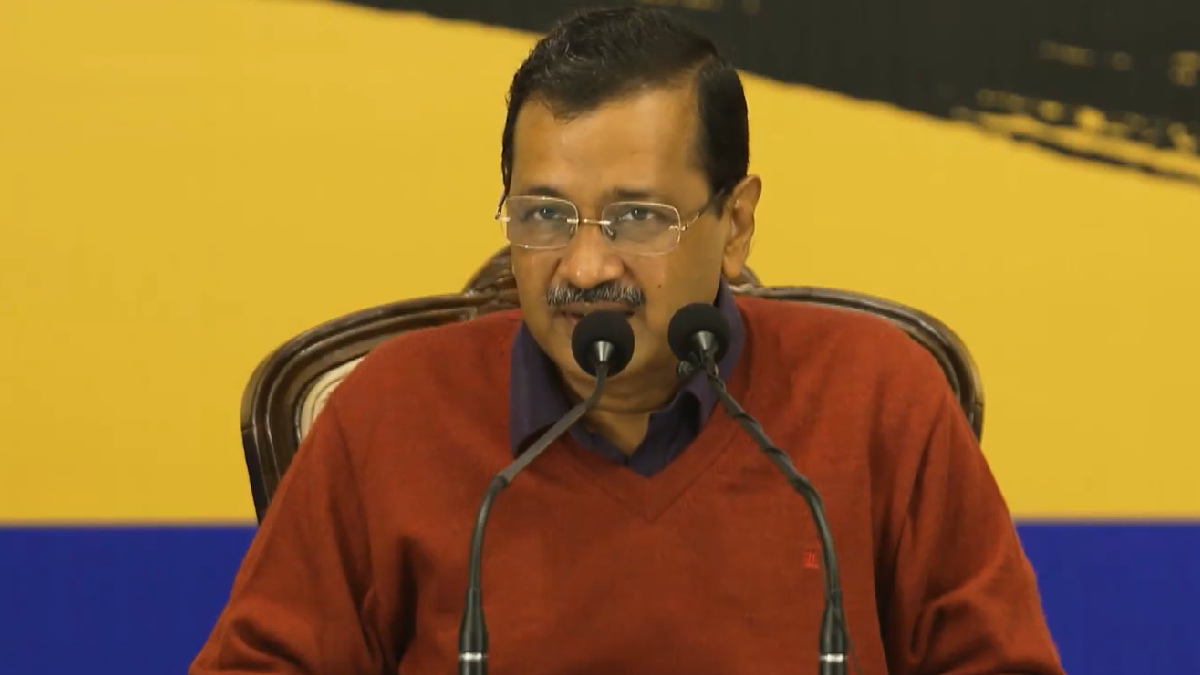
Arvind Kejriwal, national convener and former Delhi Chief Minister, claimed that Union Home Minister Amit Shah personally directed the ACB to arrest Jain. Kejriwal claimed that there had been no plan to arrest the former minister until Tuesday afternoon, when an alleged phone call from Shah changed the situation. This is not an independently verified claim, but Kejriwal’s political theory.
Arvind Kejriwal, in a post on X, questioned if arrests were made based on evidence or political considerations. Kejriwal claimed that the timing of Jain’s arrest showed that the decision had been influenced by the Union government. The charges have added a new layer to an already politically charged case concerning irregularities in the award of contracts connected with Delhi's sewage treatment infrastructure.
The BJP has attacked Jain and Kejriwal after the arrest. BJP Rajya Sabha MP Swati Maliwal accused the former Delhi Chief Minister of running a system of corruption by ministers who were not taking any direct control of departments and in turn did not take responsibility for those departments. Maliwal described Jain as a “collection agent” for Kejriwal and claimed that corruption cases had emerged during the AAP government’s tenure.
Maliwal also highlighted the seriousness of the Delhi Jal Board allegations, saying sewage treatment plants are fundamental to Delhi’s environmental and public infrastructure. She also raised questions about Jain’s reported residence in a government bungalow in Chandigarh and allegations about his activities in Punjab. These are political claims which require independent verification and appropriate investigation before being treated as established facts.
The case is a result of ACB FIR on alleged irregularities in the tendering of four packages for the augmentation and upgradation of existing STPs in different parts of Delhi. The plants mentioned in the investigation include plants at Pappankalan, Nilothi, Najafgarh, Keshopur, Coronation Pillar, Narela, Rohini and Kondli.
According to the investigation details cited by officials, Rajakumar Kurra, the managing director of Euroteck Environmental Pvt. Ltd (EEPL), allegedly manipulated the terms and conditions of the DJB tender with the help of officials and private individuals. The tender conditions for IFAS technology with fixed media were allegedly created for EEPL as the only supplier of the technology, the investigators said.
The Enforcement Directorate had earlier filed a prosecution complaint against 14 persons involved in the case. The names included Satyendar Jain, who was the Water Minister of Delhi and a Chairman of Delhi Jal Board at the time, and former DJB CEO Udit Prakash Rai, former board member Ajay Gupta and private individuals and entities involved in the case.
According to the investigation findings in the case, an illegal commission or bribe of about Rs 6.73 crore was paid through banking transactions, cash and purported hawala channels. The investigators said fraudulent invoices and advances were used to disguise some of those payments. The tender arrangements led to undue profits of around Rs 9.96 crore for EEPL.
The ED has alleged that the combined proceeds of crime involved with the case amounted to almost Rs 17.70 crore. It has accused the individuals and entities named in its investigation of involvement in the generation, acquisition, concealment, possession or use of alleged proceeds of crime under the Prevention of Money Laundering Act.
The agency also issued a provisional attachment order on December 4, 2025, attaching movable and immovable properties valued at around Rs 15.36 crore of various persons in connection with the investigation.
Jain was taken to Aruna Asaf Ali Hospital for a medical examination after his arrest and was produced before the court on Wednesday morning. The court proceedings will determine the immediate legal course of the case, and investigators continue to probe the alleged tender manipulation, financial transactions and roles of the accused.
The political dispute over Jain’s arrest will persist, with the AAP arguing the action is politically motivated and the BJP saying the corruption allegations are serious. Ultimately, the evidence that will be presented to the investigating agencies and courts will ultimately decide the outcome. Neither side should go to court and prove its claims as true unless they are proven to be true.
The development once again puts the Delhi Jal Board and its contracting practices at the centre of Delhi’s political debate. As the investigation continues, evidence will be focused on the tender process, the alleged financial transactions and the role, if any, of the individuals involved in the case.