India’s space-tech sector is growing as an AI-driven wide-area sensing system (MOSAIC) is launched by the Bengaluru-based startup Digantara.
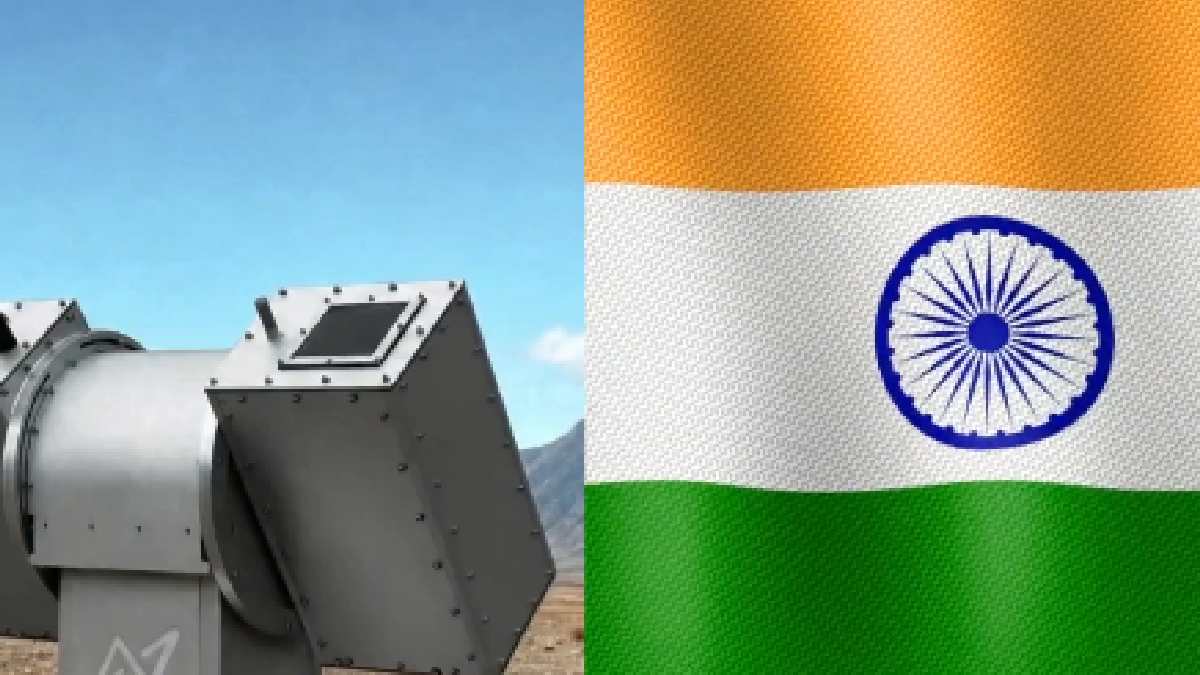
To track activity in Earth’s orbit, the system can track hundreds of objects in real-time and provide information about them.
MOSAIC is meant to solve some of the biggest problems in space today, such as the growing number of satellites, rocket components and pieces of space debris moving around Earth.
As more countries and private companies launch spacecraft, tracking objects in orbit is a matter of life and death for our space assets and our lives.
According to Digantara, MOSAIC can search, detect and track multiple orbital objects independently. It is not only based on conventional observation methods, but its AI-based architecture is designed to process observations and convert them into actionable orbital information.
The technology could be of great importance in developing India’s Space Situational Awareness (SSA) capabilities. SSA involves monitoring and understanding objects in space, their movements and the threats to satellites and other spacecraft.
One of the major challenges of orbital monitoring is the sheer volume of objects that we need to observe. Currently, thousands of active satellites and debris objects are being tracked and a lot of smaller pieces of debris are still difficult to monitor.
Even very small pieces of debris can be dangerous for spacecraft because of the extremely high orbital speed.
MOSAIC’s wide-area sensing approach is intended to improve this monitoring process by enabling the system to observe large parts of the sky and track multiple objects at the same time. Autonomous capabilities like these could also reduce the time required to identify and analyse orbital activity.
🚨 JUST IN: 🇮🇳 Indian Startup Unveils AI System to Track Hundreds of Objects in Space | READ:👇
— Beats in Brief 🗞️ (@beatsinbrief) August 19, 2026
An Indian space-tech startup has unveiled MOSAIC, an AI-powered wide-area sensing architecture designed to track hundreds of objects in orbit simultaneously.
Developed by Digantara,… pic.twitter.com/bIOkkGRsHP
At a time when India is expanding its presence in the global space industry, the country is at a point in its development towards a larger commercial space ecosystem where private companies are increasingly providing technologies for satellites, launch systems, Earth observation and space monitoring.
For India, better space situational awareness could be particularly important as more satellites are launched.
A reliable tracking system can help operators make better decisions on satellite manoeuvres, collision avoidance and the long-term protection of spacecraft.
Digantara's MOSAIC also illustrates how artificial intelligence is increasingly relevant beyond applications on Earth. AI can process huge amounts of observational data in a short time, making space controllers notice patterns, objects and potential risks.
As Earth's orbital environment becomes more crowded, technologies capable of providing continuous and intelligent monitoring will become increasingly valuable.
MOSAIC is an Indian effort to address that challenge with an autonomous, mobile and scalable approach.
With its focus on tracking objects at the scale required for modern space operations, the system could become an important technology in India’s growing space-security and satellite-monitoring ecosystem.