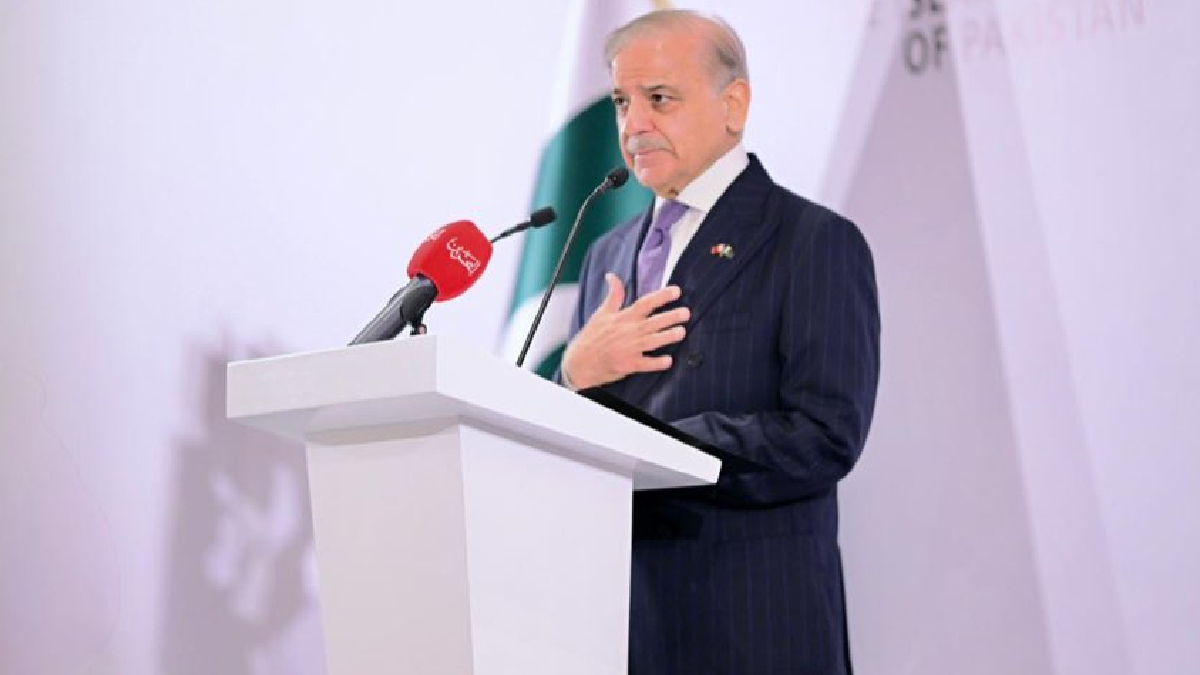
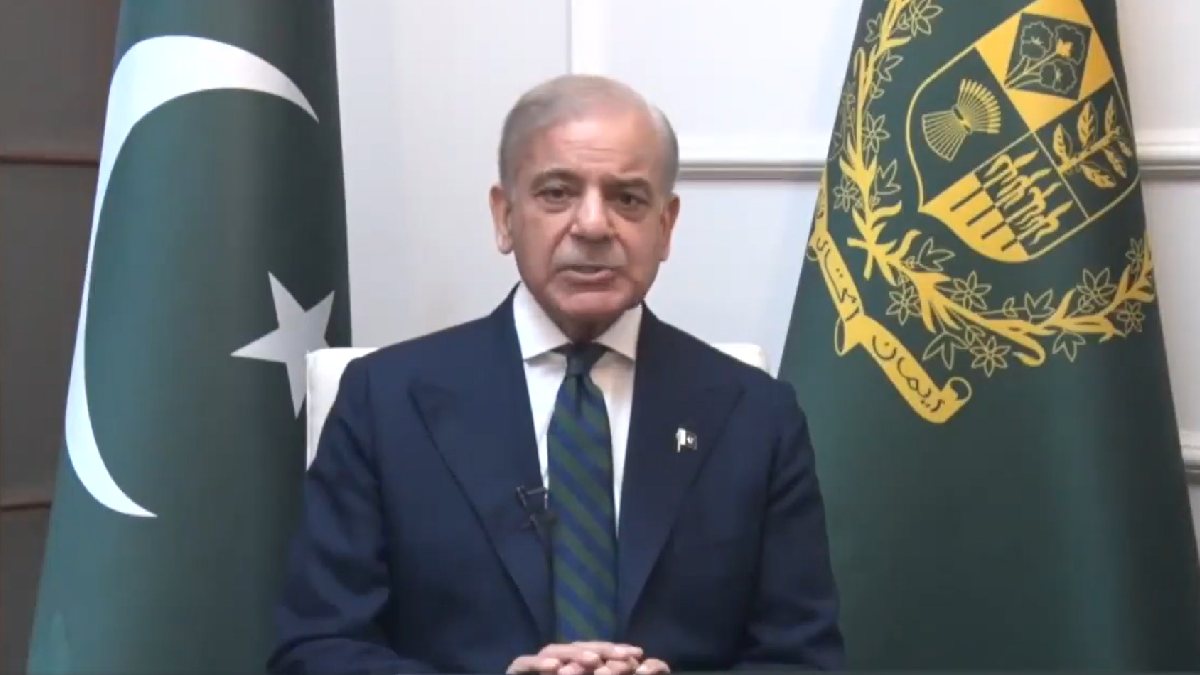
In other economic news, Pakistan's Prime Minister Shehbaz Sharif has said that petrol and diesel prices will remain capped at 322 PKR and 335 PKR per liter respectively, which is much lower than in the global market for oil prices in the country. If the government were to relax those prices, it will be in severe difficulty to meet the needs of a country with rising inflation pressures and because all new taxation will put high debt on governments.
According to reports, the global fuel price in comparison to local price levels, as opposed to domestic prices, will correspond to about 544 PKR per liter petrol and 790 PKR per liter diesel. The government is thus taking onto account the gap, resulting in an estimated loss per week of about 56 billion PKR by the ministry in terms of loss from lower sales at home.
Even economic analysts worry that a subsidy-drive approach may be favorable in the short run but its economic effects may also be worse for Pakistan’s already fragile fiscal condition at the moment. It has high inflation conditions that keep it up a lot, foreign currency devaluation and high external debt are a challenge, over time making a deep-seated subsidy which can't sustain such huge subsidies.
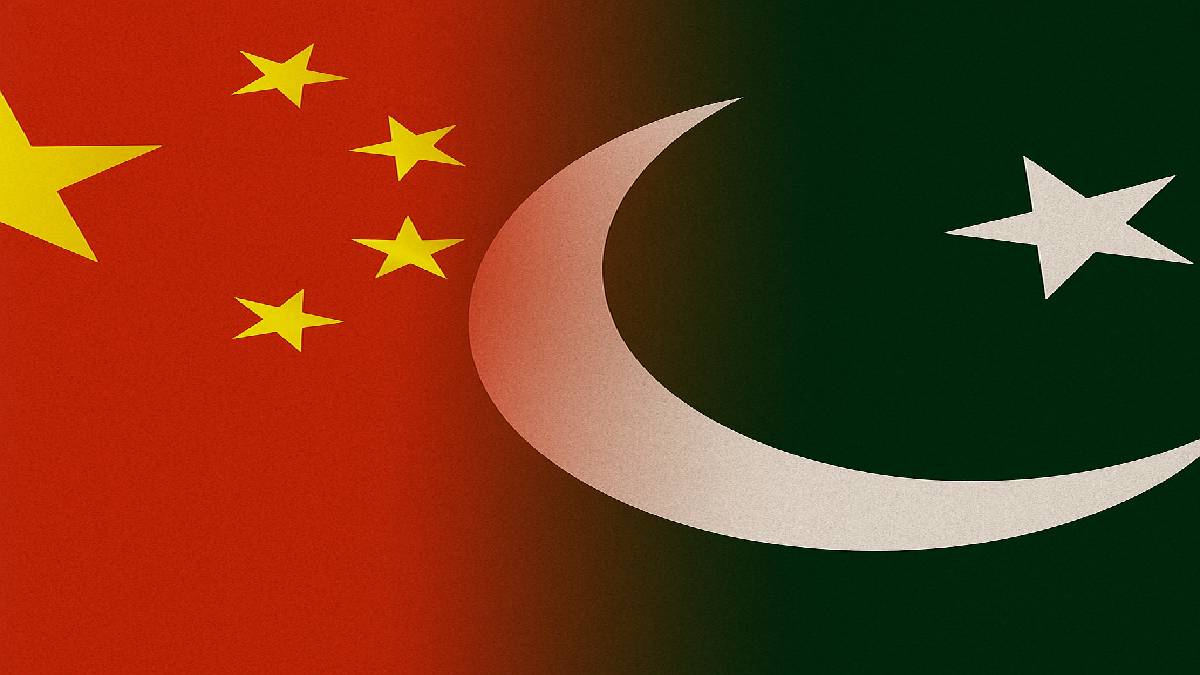
Given the immediate financial difficulty faced by the country with this price control, government will likely lean again heavily on borrowings. Pakistan may again seek China's financial assistance again, adding to the debt it has already taken up to compensate.
While the decision has been met by people suffering from astronomical living costs at home, many argue it will slow the economic transformations required. That is not all; Pakistan’s economy would lose if the world price of oil remains high.
Even when fuel subsidies can provide a temporary relief, those they provide often come at the cost of fiscal stability, say experts. And sustainable approaches would require structural changes, revenue generation and careful management of public finances.
If the situation is going on the government should work to find common sense about how to balance public welfare with the fact that short-term relief measures wouldn’t ultimately result in longer-term financial problems (for taxpayers or for people) in the next step. We don’t want short-term money problems as the government is trying to help the country survive what's about to happen.