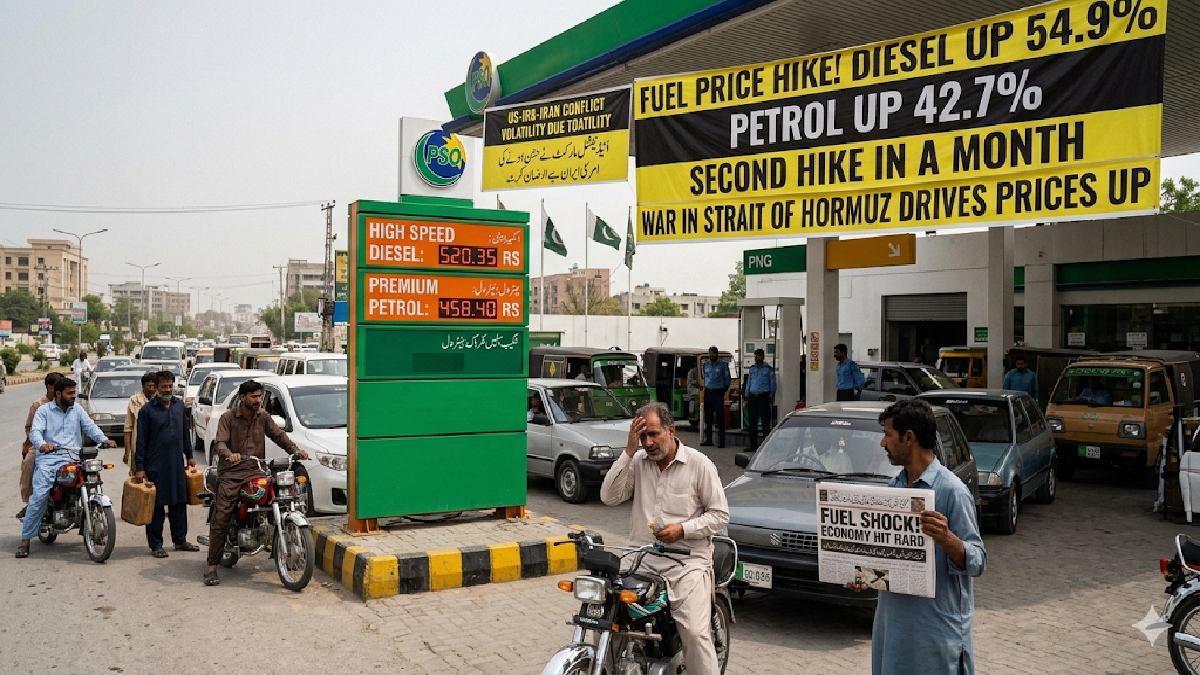
In a move aimed at boosting revenue and curbing the use of premium fuels, the government of Pakistan has significantly increased the levy on high-octane fuel, pushing its price to nearly Rs 300 per litre. The decision is expected to primarily impact owners of luxury and high-performance vehicles that rely on premium-grade petrol.
Officials stated that the revised pricing is part of broader fiscal measures designed to stabilize the economy and reduce unnecessary imports. High-octane fuel, often used in imported cars and high-end models, contributes to increased foreign exchange outflow. By raising the levy, authorities hope to discourage excessive consumption while generating additional revenue.
The move comes at a time when Pakistan is grappling with economic challenges, including inflationary pressures and a weakening currency. Policymakers believe that targeting luxury consumption is a more balanced approach compared to across-the-board fuel price hikes that affect the general public.
However, the decision has drawn mixed reactions. While some economists and policymakers have supported the measure as a necessary step toward fiscal discipline, critics argue that it could further burden consumers already dealing with high living costs. Automobile enthusiasts and luxury car owners have also expressed concerns over the sharp increase, stating it could discourage investment in the premium vehicle segment.
Industry experts suggest that the hike may also lead to a shift in consumer preferences, with more buyers opting for fuel-efficient or hybrid vehicles instead of high-performance cars that require high-octane petrol.
Despite the backlash, government officials remain firm on the decision, emphasizing that such targeted measures are essential to navigate the current economic landscape. The impact of this policy will likely become clearer in the coming months as consumption patterns and revenue figures are closely monitored.