Pakistan is facing a nationwide shutdown as Jamaat-e-Islami (JI) steps up its fight against petroleum tax and rising living costs.
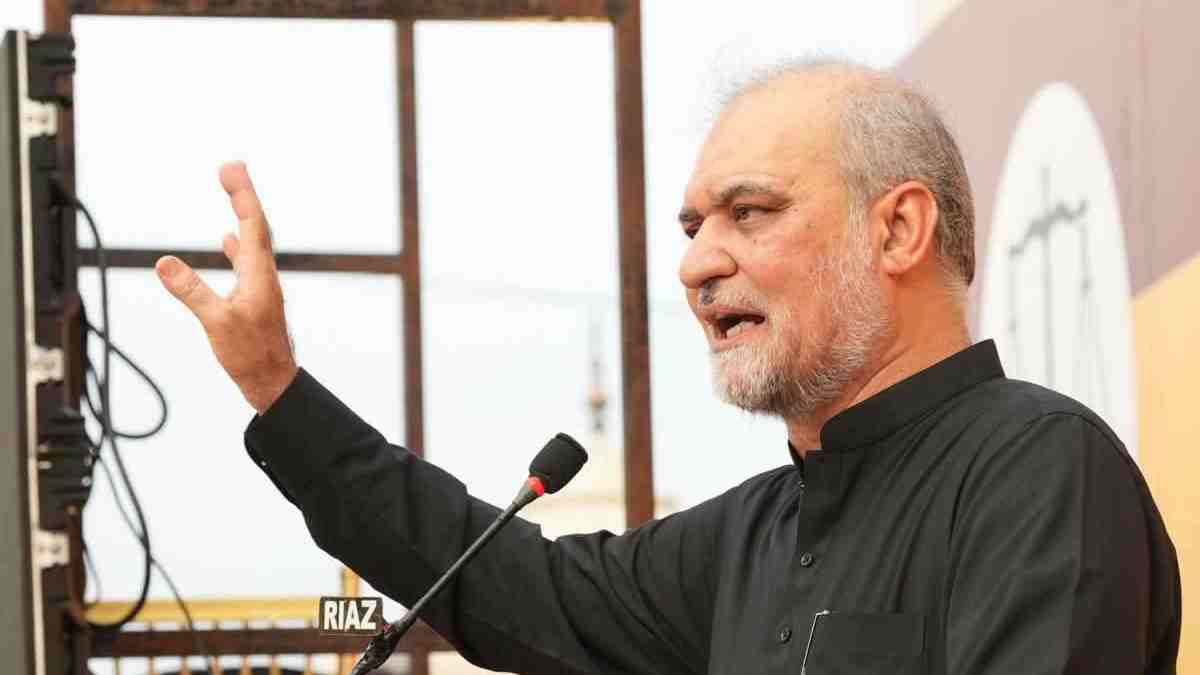
The party is also considering expanding its sit-in protests into a wider protest movement with a shutter-down and wheel-jam strike to move towards Islamabad if the government fails to meet its demands.
JI Emir Hafiz Naeemur Rehman is leading protests in Lahore, Karachi and Peshawar with demonstrations now in their eighth day. The party is calling for the removal of the petroleum levy and relief on fuel and electricity prices.
It has also railed at the government’s expenditure and financial strain on ordinary citizens.
According to the latest announcement, JI is going to create protest camps in more cities and continue its sit-ins.
The party has said that its next phase will include a nationwide shutter-down strike after 12 Rabiul Awwal, which falls on August 26 this year. The exact date for the shutdown is expected to be announced separately.
More threats of protests are also imminent from JI as it said it could embark on a long march to Islamabad that could galvanise its supporters to protest if the government doesn’t respond to its demands.
The party has described the movement as a turning point in its campaign and said that the protests could continue until its key demands are met.
The proposed shutdown will affect commercial activity, transport and movement in a number of Pakistani cities. A wheel-jam protest could disrupt road traffic and a shutter-down strike could see markets and businesses shut down in response to the party’s call.
But the extent of participation will depend on traders, transport groups and the general population’s response.
The government needs to engage with JI and prevent such disruption. The protests are largely about what we call economic issues, petroleum products, electricity and other essential costs. JI has argued to reduce these costs to reduce the burden on households and businesses.
The planned march towards Islamabad could become the next major stage of the confrontation if negotiations fail.
Islamabad has witnessed many protests in the past and any major mobilisation to the capital will be a great boon to Pakistan’s political and economic situation.
For now, JI sit-ins are still going on and the party is preparing to expand its campaign after the August 26 religious observance.
With the shutdown date not yet announced, the government’s response is being focused on and if there will be a way to keep the protest movement peaceful.