One shocking case in Pakistan shed light on the misuse of religious practices and the violation of women’s rights. Mohamad, a man, divorced his wife because her food did not come when she was supposed to serve it. Later, when he wanted to retrieve her, Sharia law ordered her to undergo halala, a practice where a divorced woman must marry and consummate a marriage with another man before marrying again. The woman would not do halala, but Mohamad obliged her to practice with his own father. This appalling incident illustrates misuse of religious law and exploitation of women under the guise of religion.
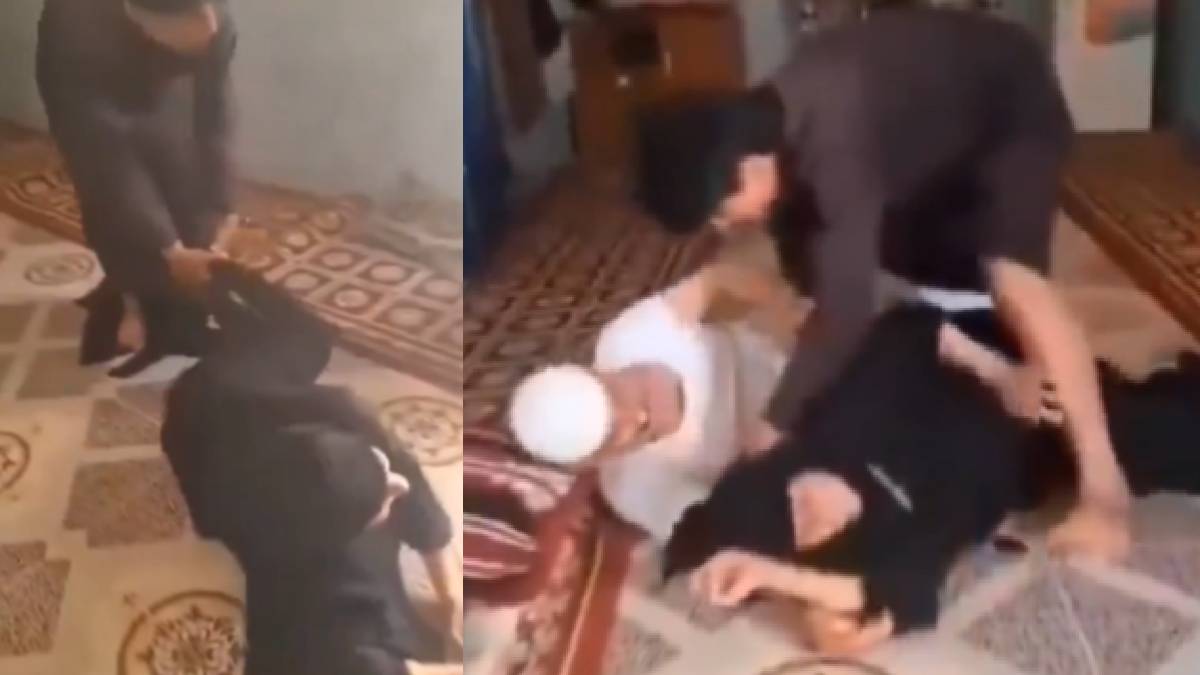
Is Halala a controversial practice in Islamic law. If a man divorces his wife via triple talaq (to “Say talaq” three times) the divorce is regarded as finalized. If he wishes to remarry her one day, she has to first marry another man, consummate that marriage and in the process be divorced from that man before returning to the latter. Although some academics suggest that halala aims to prevent abuse of divorce by men, more often than not it has been used as a Trojan horse to exploit women and put them at risk of abuse.
Mohamad separated from his wife over petty matters of not having food served on time. Later, he regretted his decision and wanted her back. Halala was mandatory prior to remarriage under Sharia law. The wife turned him down, seeing it as degrading and undeserved. Mohamad later made her go through halala with his own father, an act that shocked society and raised serious ethical and legal questions.
This case is indicative of how women may get caught up in damaging procedures when laws are distorted or abused. Far from preserving dignity, Halala in this instance was wielded as a weapon of oppression.
- Violations of Rights: The woman's consent was disregarded, and she was placed into a degrading situation.
- Relying too heavily on Religion: Religious dogma has been abused to excuse violence.
- Need for change: The urgent need to reform laws and stronger safeguarding for women in Pakistan, these cases show.
The Mohamad incident in front of his wife is more than a family dispute; it is a tale about the way customs that define culture and religion can be weaponised against women. Forced halala robs women of dignity and autonomy, and they become victims of exploitation. As a result, justice and equity: societies should ensure that religious laws are applied with compassion and respect for human rights and not as tools of coercive control.