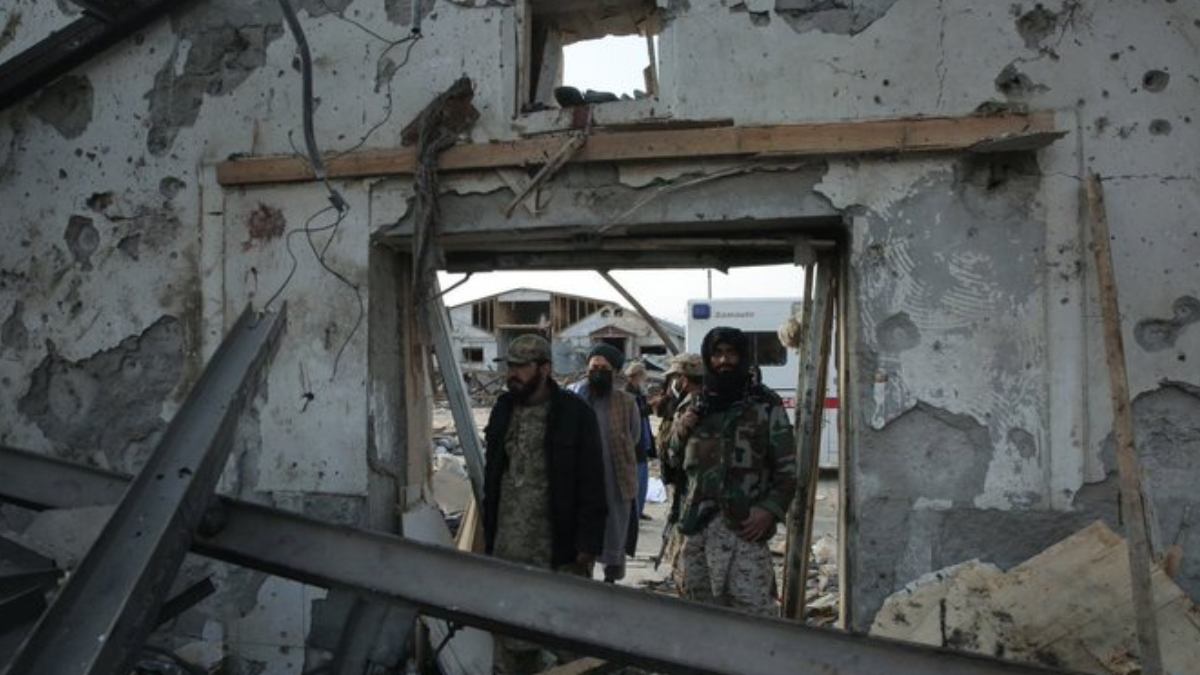
Pakistan's 125-year-old Sikh shrine was demolished by local miscreants on June 24 without official permission, and local Sikh people rallied against it and prevented further destruction.
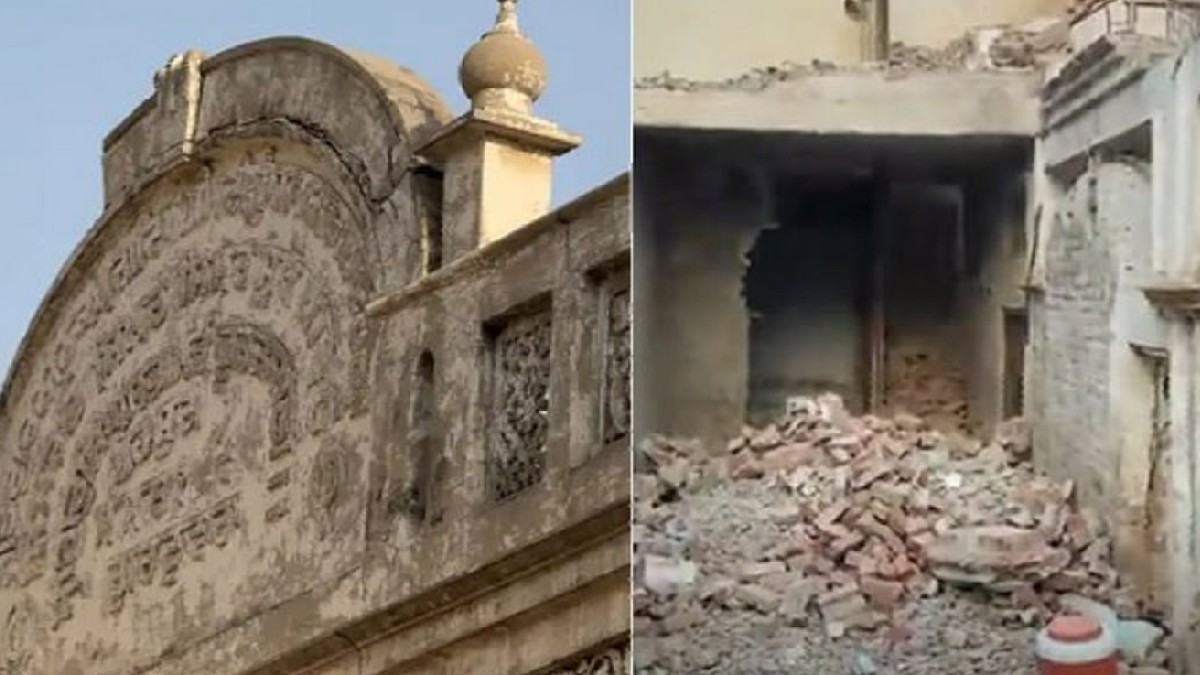
The Ministry of External Affairs (MEA) described the incident as a disturbing act of vandalism against an important Sikh place of worship. MEA spokesperson Randhir Jaiswal said India was “deeply distressed” by the demolition of the historic gurdwara and termed it a “highly deplorable and targeted act of vandalism against a revered Sikh shrine.” The government said it was very worried about the failure of local authorities and Pakistan’s Evacuee Trust Property Board (ETPB) to take the religious place on board.
India has recommended that Pakistan conduct an efficient, transparent investigation of the incident, find those responsible and bring them to justice. It also urged Islamabad to restore the damaged parts of the gurdwara as soon as possible so that the minority communities and their places of worship in Pakistan are protected. “The Farooqabad demolition was not an isolated incident,” MEA said, and pointed out that attacks on the religious minorities and their places of worship in Pakistan continued to occur at an alarming rate.
As Indian government officials said, the incident reflects Pakistan’s ongoing difficulties in protecting its own religious minorities even as it is often seen internationally as a supporter of Sikh interests. The latest development is a manifestation of Pakistan’s overall strategy of using Sikh issues to propagate separatist narratives abroad by backing Khalistani elements, government officials said.
The sources said in Indian intelligence surveys that Pakistan's Inter-Services Intelligence (ISI) has for years provided financial assistance, training, logistical support and safe havens to Khalistani operatives. The support in this regard extends well beyond physical infrastructure and includes social media campaigns, outreach among sections of the Sikh diaspora, and cross-border operations involving drones to bring in weapons and drugs into India from abroad, they added. The goal is to exploit Sikh grievances abroad but at the same time promote separatist sentiments in Punjab.

The demolition of Gurdwara Sri Guru Singh Sabha Sahib also brought back attention to a series of attacks on Sikh religious sites and members of the Sikh community in Pakistan in the last few years. In Dharampura, Gurdwara Chobacha Sahib, a shrine associated with the Sixth Sikh Guru, was demolished despite protests from local Sikhs and no real assistance from the Evacuee Trust Property Board.
In another incident that raised serious concerns about minority security, in June 2026, an elderly Sikh couple Jagannath and his wife Asma Wanti, who were caretakers of a gurdwara in Khyber Pakhtunkhwa's Mardan district, were shot dead by unknown gunmen. Sikh organisations have repeatedly called on Pakistani authorities to improve security for minorities.
Guru Nanak's home Gurdwara Janam Asthan has also been the site of tension in the past. One of the most publicized incidents was in 2020 when an angry mob threw stones at the shrine and threatened to damage it. Sikh organisations have maintained that the security of the holy site has come back into the picture on several occasions since then.
And in addition to attacks on places of worship, Sikh traders and businessmen, especially in Peshawar and nearby areas, have also been targeted in religiously motivated attacks over the years, raising concerns about the safety of Pakistan's small Sikh population.
The latest demolition has once again highlighted the state of Sikh heritage in Pakistan - and it was another sign of the state of affairs. Sikh organisations say there are around 345 historic Sikh shrines in Pakistan - many of them are either no longer functioning or not in good condition. Many of them have been neglected, illegally encroached upon by mafias, and have been partially demolished due to poor protection and maintenance. They have repeatedly urged Pakistani authorities and the Evacuee Trust Property Board to save these important religious and historical monuments before they are lost forever.
India, for example, has been frustrated with Pakistan regarding the demolition of Gurdwara Sri Guru Singh Sabha Sahib. There is sure to be more diplomatic discussions about the incident in the future, but the episode has once again drawn international attention to the state of minority places of worship and the necessity to preserve centuries-old religious heritage across the region.