Pakistan has approached the United States for a $10 billion facility aimed at strengthening its foreign exchange position, stabilising currency and rebuilding confidence as it looks to cut reliance on foreign support that keeps coming in from friendly countries. Pakistan Finance Minister Muhammad Aurangzeb confirmed that talks with the US Treasury Department are ongoing but no agreement has yet been reached.
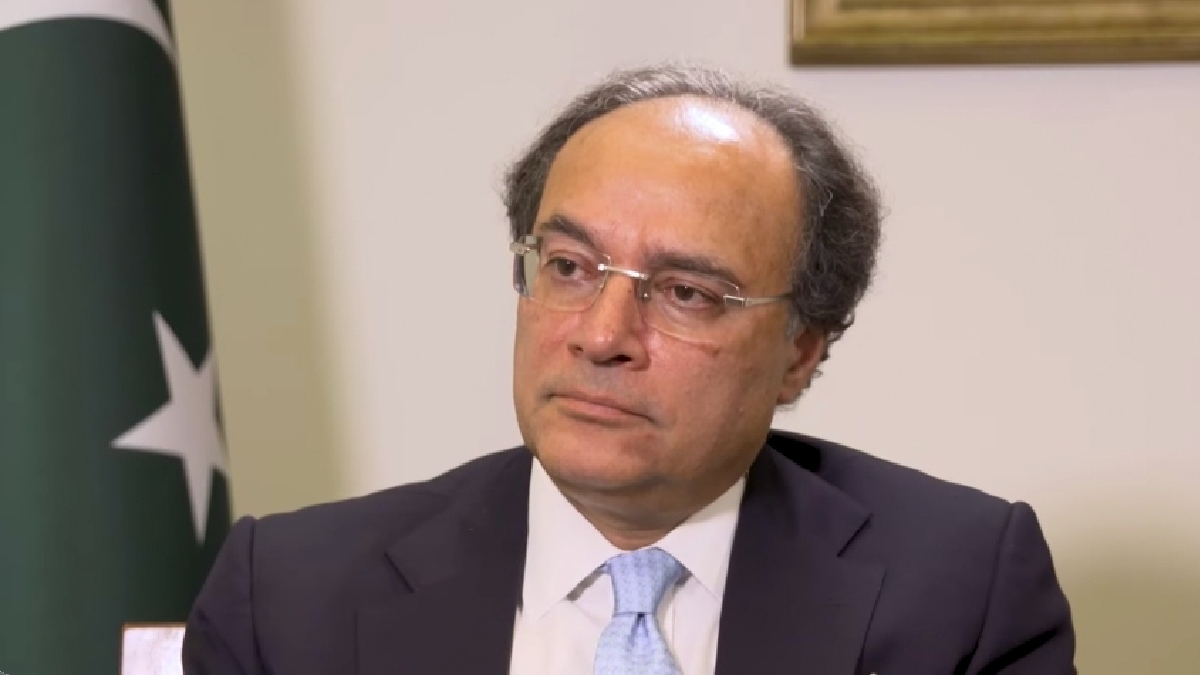
The proposed arrangement, called Exchange Stabilisation Support Facility, is being presented by Islamabad as something else—not just a loan or credit line. Rather, Aurangzeb said, it will make Pakistan’s currency and foreign exchange position a stronger confidence signal. The hope is to provide a better message that this is the case, he said, and that confidence can help Pakistan return to international capital markets and move towards a more sustainable financing model.
Aurangzeb said the proposed facility would be to signal stability rather than be another source of borrowing. Better foreign exchange stability would help Pakistan to go to international markets with more confidence, the finance minister said. This is especially important for Islamabad as it tries to move away from short-term financing arrangements and repeated rollovers that have become a regular feature of its external financing strategy.
Pakistan has been increasingly under pressure on its external finances in recent years. In 2023, Pakistan came close to default when its foreign exchange reserves were depleted and its domestic payment obligations were made more difficult. Pakistan ultimately avoided default because of the help from the International Monetary Fund and bilateral partners.
The country is currently implementing a $7 billion IMF programme agreed in 2024. The programme has significantly helped Pakistan address immediate financial vulnerabilities and macroeconomic stability, but Islamabad is still hampered by a lack of sufficient foreign exchange and the process of rebuilding its credibility with international investors.
The proposed US facility comes against this backdrop. Pakistan has long relied on loans, deposits and rollovers from friendly partners to address external financing gaps for its debt crisis. Such support has saved the country from a crisis, and as such, the government is trying to transition to long-term and market-based financing.
Aurangzeb said Pakistan’s larger financing strategy would be to secure funding with longer repayment terms rather than just bilateral contracts. He said replacing existing financing arrangements with new ones would not always work with every partner but indicated that the government was actively recalibrating its approach.
The finance minister also expressed Pakistan’s gratitude to countries that have supported it during times of financial distress, especially during the past three years. But he said Islamabad is now looking for a financing structure that will reduce the need for repeated emergency assistance.
Another key part of the government’s strategy is to improve Pakistan’s sovereign credit rating. Aurangzeb said Pakistan has been in touch with international credit rating agencies and it is trying to get a B+ rating. The country’s rating has largely been stuck since 2003-04, he said, and international views of Pakistan’s financial situation have been weak for a long time.
A better sovereign rating would bring several benefits to Islamabad. It could strengthen access to international debt markets, reduce borrowing costs and allow Pakistan to raise financing with longer repayment periods. More market-based funding would also reduce pressure on the government to repeatedly seek emergency support from bilateral partners and international institutions.
Pakistan is also talking about leaving some of its existing financing arrangements. Islamabad expects to receive feedback from Exim Bank or the US Treasury by the end of September on the proposal, said Aurangzeb.
So the request for a $10 billion facility is more than just the need for more funds. Pakistan’s bid to demonstrate financial security, reassure investors and make the international capital markets easier to access all forms of funding.
But the success of the proposal will depend on discussions with US authorities and the full picture of Pakistan’s economy. Islamabad will also need to maintain progress under its IMF programme, strengthen foreign exchange reserves and continue implementing fiscal and structural reforms.
If the proposed arrangement goes forward, it would provide Pakistan with a much-needed confidence boost at a time when the country is grappling with recurring balance of payments crises. Still, negotiations are ongoing, and Islamabad is waiting for further feedback from the other countries to reorient its external financing strategy.