Iranian President Masoud Pezeshkian said that effective governance, coordination among government agencies, and the active participation of local leaders enabled Iran to cope with the recent West Asia conflict with little impact on daily life. His remarks come as the country is working through its responses to regional conflict and assessing how its institutions are holding up under pressure.
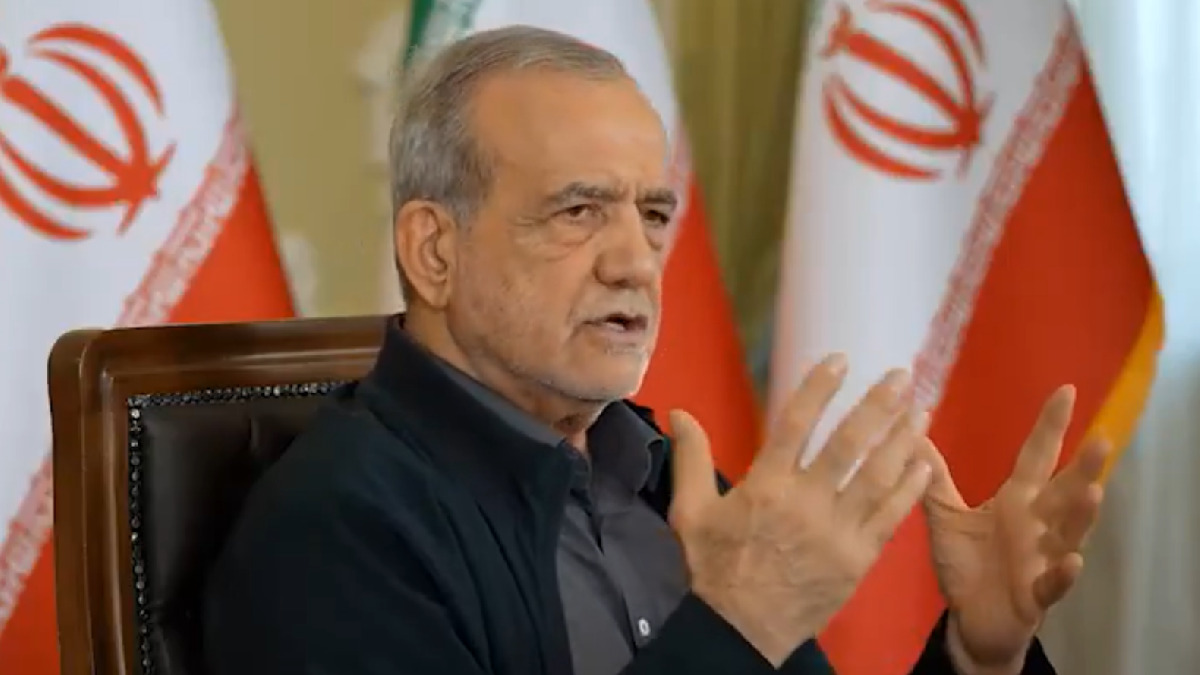
Pezeshkian addressed the nation in a public address and stressed the role of national and local authorities to keep things stable and keep essential services running despite fighting the conflict. Coordinated work across government levels prevented panic and allowed citizens to get on their way with their lives, the president said.
Pezeshkian noted that “people didn’t feel the war at all,” as public services, transportation networks, healthcare systems, and supply chains remained operational during the crisis. Local administrators, provincial and community leaders answered the challenges from the start and kept in touch with residents, he said.
The recent conflict in West Asia raised concerns across the region, with fears of economic disruption, security threats, and humanitarian consequences. As tensions rose, many countries in the region increased security measures and prepared contingency plans. In Iran, authorities were working to keep the peace and to keep public infrastructure and critical services in place.
Pezeshkian said coordination of national ministries with local governments had been critical to mitigating the effects of the fighting. Government officials were on guard 24 hours a day to monitor the situation, to ensure that there were no shortages and to keep the public updated, he added.
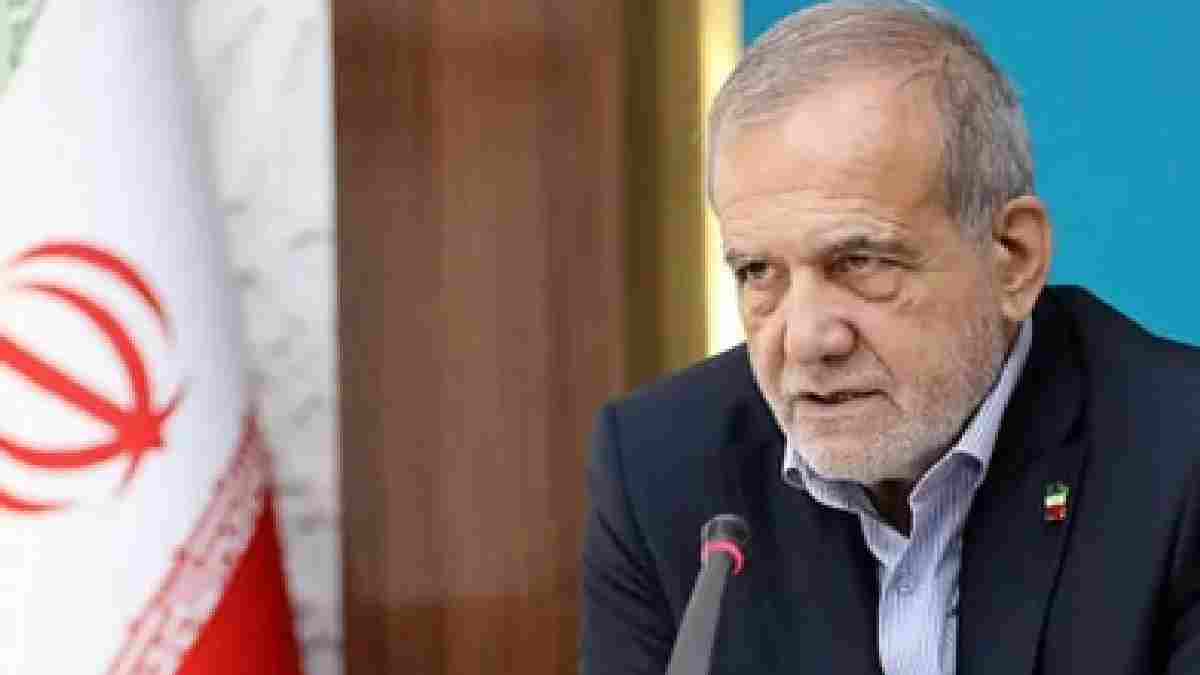
The president also praised the resilience of Iranians as well, stating that public cooperation was an important factor in the country's ability to survive under pressure and the Iranian people’s resilience was a key factor that drove the country’s ability to overcome the hard times. And he said communities of the nation demonstrated unity and responsibility, and local people had also been united and responsible; this enabled the government to take care of strategic and logistical issues.
Witnesses say Iran's leadership has sought to highlight the effectiveness of state institutions in the face of regional crises. And officials are trying to paint a picture of stability as stability, the government is trying to show that public services and coordination in administration by talking about consistent continuity in public services and administrative coordination.
Economic experts explain that conflicts occur in the region as a matter of fact, with a long-term effect on trade routes, energy markets and investment sentiment. But Iranian authorities have maintained that careful planning and crisis management have been able to cushion the domestic economy from the impact in its early stages of the conflict. The government said that while some sectors were hit by the conflict, essential supplies and services were still available and there was no difficulty in the period which were in demand in and out of the economy at the time.
Pezeshkian's comments also represent a broader move to highlight the importance of local governance structures. Provincial governments and municipal authorities were the first line of action during the crisis, he said, and in doing so, helped with the local problems and information flows efficiently between communities and central government agencies.
Hence, Pezeshkian reaffirmed his administration's commitment to strengthening governance systems, public service provision and preparedness for future emergencies. He said lessons would be learnt from the recent conflict to support coordination mechanisms and crisis-response capabilities.
The Iranian leadership will remain focused on keeping domestic stability as well as public welfare in the face of growing tensions in West Asia. Pezeshkian’s comments also show that effective governance, strong institutions and community involvement helped the country make it through a difficult period without major disruption to daily life.