Iranian President Masoud Pezeshkian has said, again, that Tehran has no intention of aggravating the situation in the Middle East and only wants to protect its sovereignty.
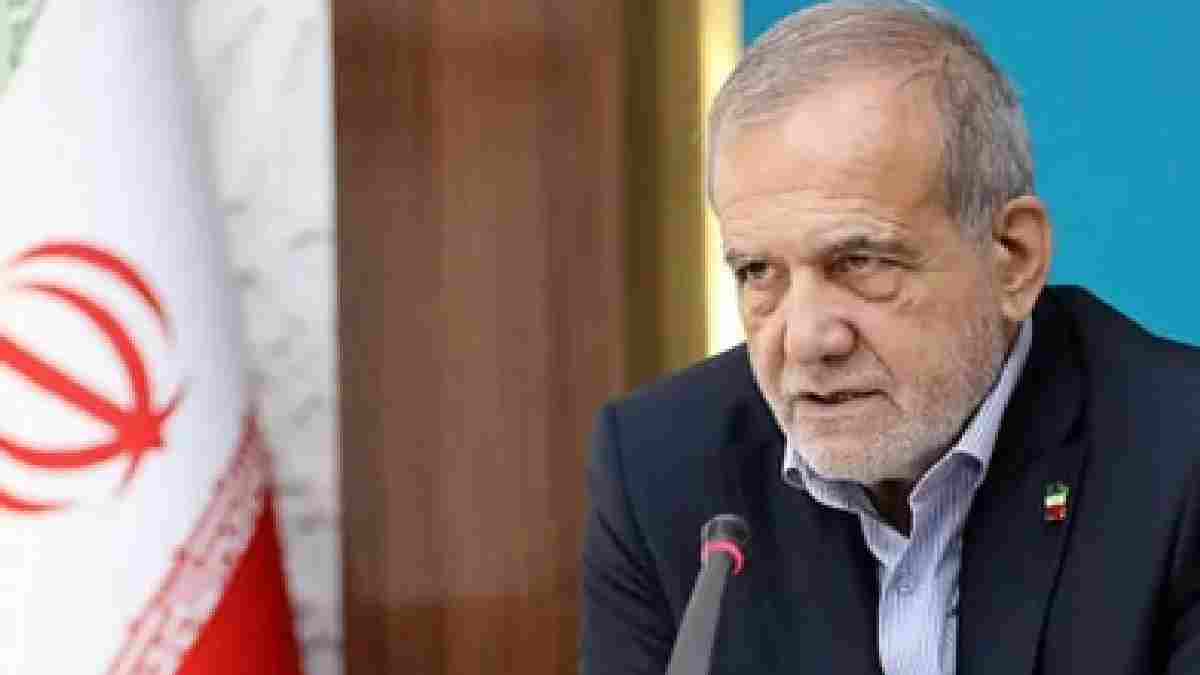
His comments come as fears for a more widespread regional conflict grow.
In response, Pezeshkian said Iran's priority is to protect its national interests and territorial integrity and not to spark a wider war. Any actions taken by the country are for self-defense and not an attempt to strengthen the conflict in that region, he said.
The statement comes at a time of high geopolitical tensions as countries are closely monitoring developments in the Middle East. All sides have been told many times to avoid violence; there is a global trade and energy emergency and global oil supply.
Pezeshkian also stressed the importance of diplomacy to resolve disputes and the fact that dialogue is the best way to resolve the conflict.
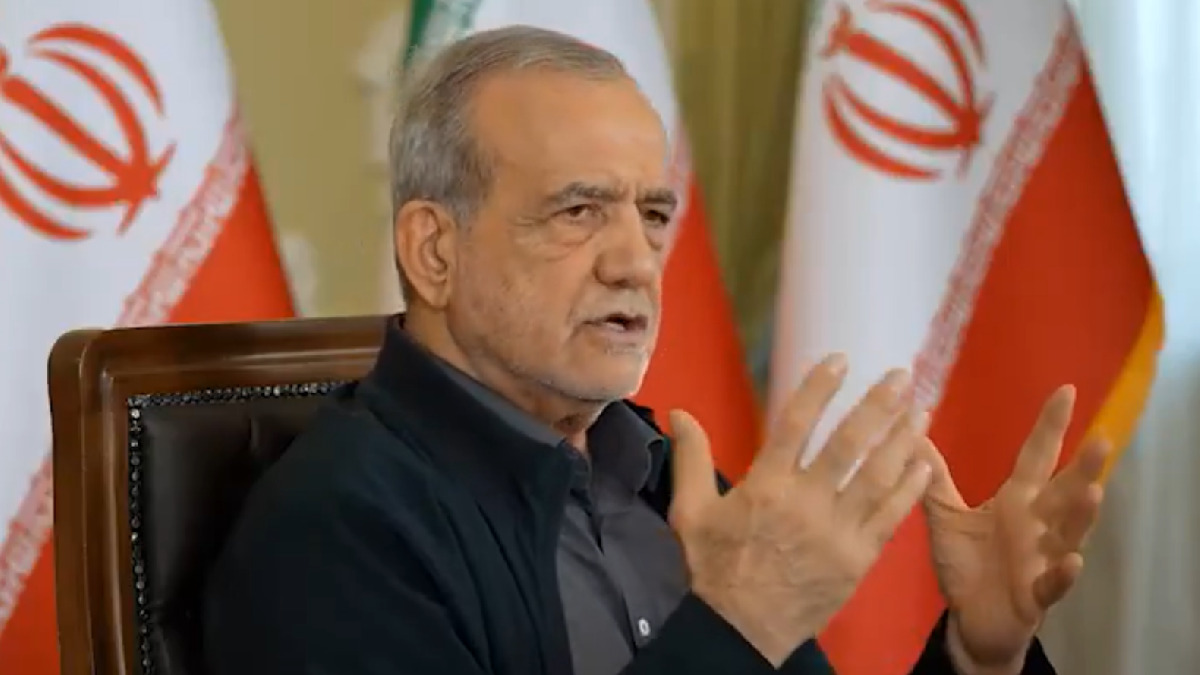
Though Iran is ready to fight any threat, he said, Tehran doesn’t desire confrontations beyond what is necessary for national security.
The world has paid close attention to Iran’s position because of the importance of the Middle East. Any escalation of tensions would have economic repercussions, potentially leading to higher oil prices and more damage to shipping through the Strait of Hormuz, one of the world’s busiest energy transit routes.
State governments around the world have called for calm and have encouraged diplomatic engagement to prevent the situation from deteriorating any further. Regional and global powers will be in the business of reaching out to other powers and preventing a further collapse of global security and economic stability, they say.
Iran has always maintained that it has the right to respond to threats against its territory and interests and it doesn’t plan to enlarge military operations.
Pezeshkian’s comments only underline this long-standing stance, and reassure both domestic and international audiences that Iran’s aim is defensive and not offensive.
Even these assurances are not that good and there is still uncertainty as tensions rise. Political observers say while public statements that encourage restraint are good, the actions of all parties in the coming days will decide if the situation will go to de-escalation or to further unrest.
The world’s markets, governments, and security experts are closely monitoring developments, with the prospect of global energy supplies and international trade at stake in particular.
The Middle East remains one of the most strategically important areas of the world, and every diplomatic announcement and military development is important to the world in all aspects of the Middle East.
For now, President Masoud Pezeshkian’s message highlights Iran’s position that it is prepared to defend its national interests but not to go to war.
How much these assurances contribute to easing regional tensions will depend on further diplomatic efforts and the responses of other parties.