A Philippine Airlines (PAL) Airbus A320-214 sustained serious damage when it was struck by a Saudia Boeing 787-9 Dreamliner in a ground collision at the Ninoy Aquino International Airport in Manila. The collision occurred late on the night of July 7, while the Saudia aircraft was taxiing for departure, and an immediate safety response and an investigation by aviation authorities was launched.
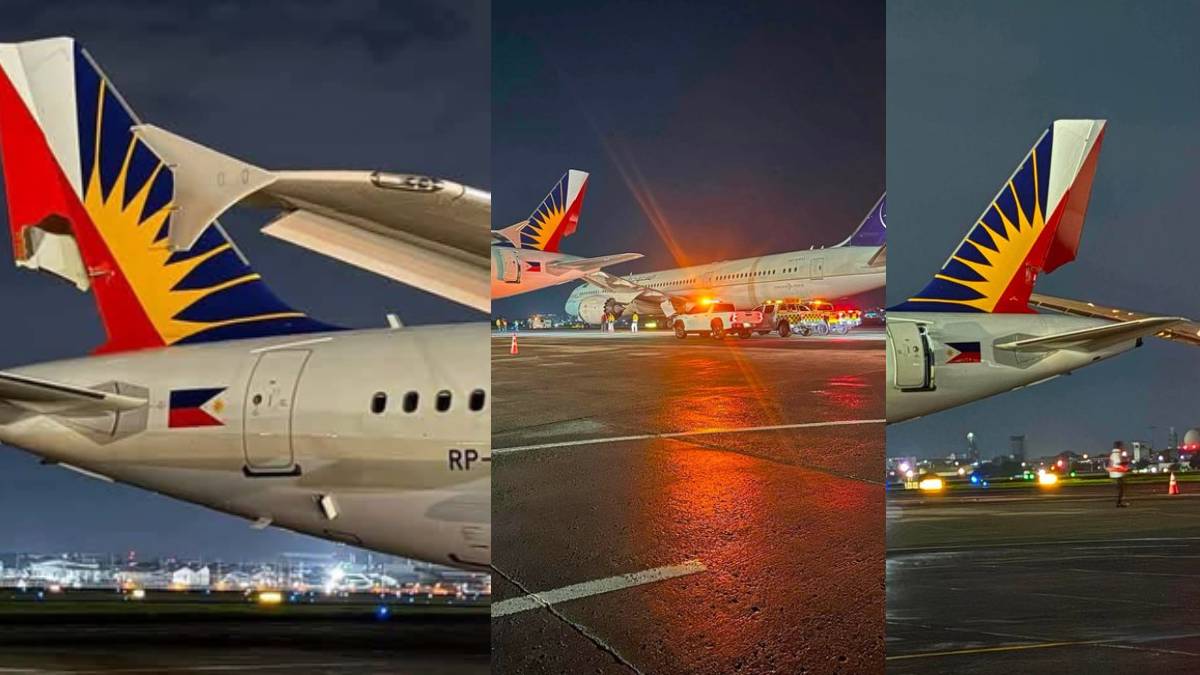
According to airport operator New NAIA Infra Corp. (NNIC), the Saudia Boeing 787-9, flying Flight SV871 to Jeddah, was taxiing at low speed when its left wingtip collided with the tail section of the parked Philippine Airlines Airbus A320. The impact caused visible damage to the PAL aircraft's vertical stabilizer and rudder, and the Saudia aircraft also suffered wingtip damage.
Fortunately, no injuries were reported. Philippine Airlines confirmed that its Airbus A320 was parked and had no passengers or crew at the time of the incident. Meanwhile, all Saudia passengers safely left the airport after the collision, and Flight SV871 was canceled.
The airport officials said the incident did not significantly impact airport operations. Ground personnel secured the area, and both aircraft were removed from service, and technical inspections and damage assessments were done. No airport infrastructure or ground equipment has been damaged in the accident.
The Civil Aviation Authority of the Philippines (CAAP), NNIC, and the airlines involved launched a full investigation into the incident. Investigators will analyze aircraft movements and taxi protocols, airside communications, and operational data to determine exactly what happened and whether procedural or human factors caused the accident.
Ground collisions with commercial aircraft are rare but can bring expensive repairs and disruption of operations. Even low-speed impacts can have severe structural damage to the aircraft’s tail assembly or wingtip. Both the Airbus A320 and Boeing 787 will be out of service until engineers have an opportunity to properly test them and certify them as airworthy.
The incident has also shown how taxiing is performed, situational awareness, and communication between pilots and ground controllers at busy airports is critical. Aviation experts also say airports that deal with a lot of traffic need to be extremely well-coordinated to safely manage aircraft movements on the ground.
As investigators continue their investigation, Philippine Airlines and Saudia have pledged to cooperate fully with aviation authorities. The findings of the investigation will be released once all investigations are done, and any recommendations for preventing other ground incidents will be made, officials said.