The United States has intensified its campaign against Iran by launching a fresh wave of airstrikes during daylight hours, in a major shift in its operational strategy. The new attacks come after several consecutive nights of military action and signal Washington's determination to keep pressure on Tehran after the collapse of recent diplomatic efforts.
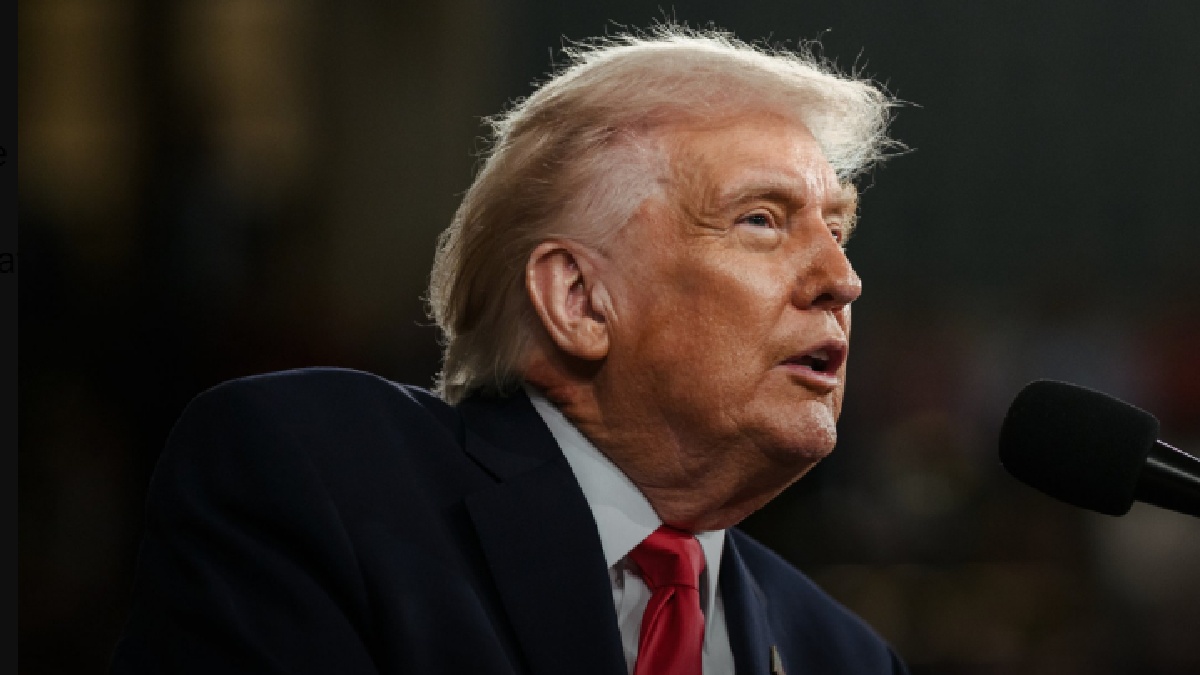
US Central Command (CENTCOM) confirmed on Wednesday that American forces had begun a new round of strikes on Iran’s military capabilities to counter Iranian attacks on commercial shipping through the Strait of Hormuz. The attack is the first publicly announced daytime assault in the current phase of the conflict, an escalation in the pace and timing of U.S. military action.
CENTCOM Confirms New Military Operation
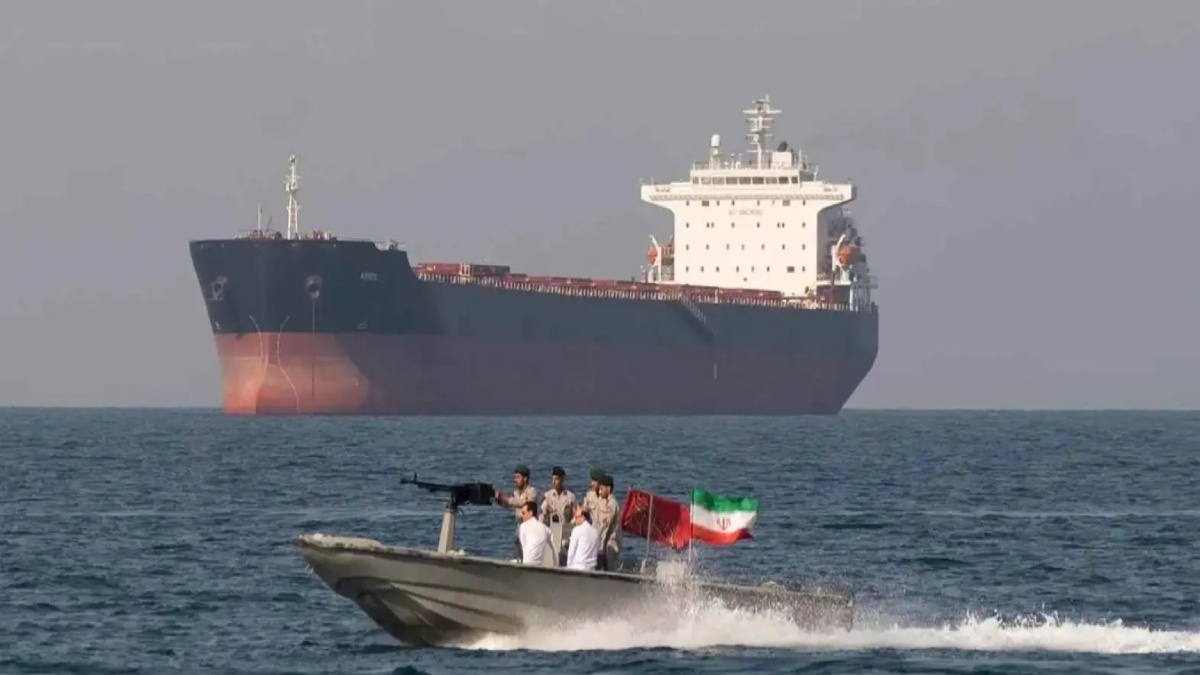
CENTCOM said the strikes began at 6 a.m. Eastern time and were directed at Iranian military assets believed to be in operation against commercial vessels transiting the Strait of Hormuz.
"At 6 a.m. ET today, U.S. Central Command forces began launching a wave of strikes against Iran. The strikes are designed to further degrade military capabilities Iranian forces have used to attack commercial shipping in the Strait of Hormuz," the military command said.
That is especially true when it comes to maritime security on one of the world’s most strategically important waterways.
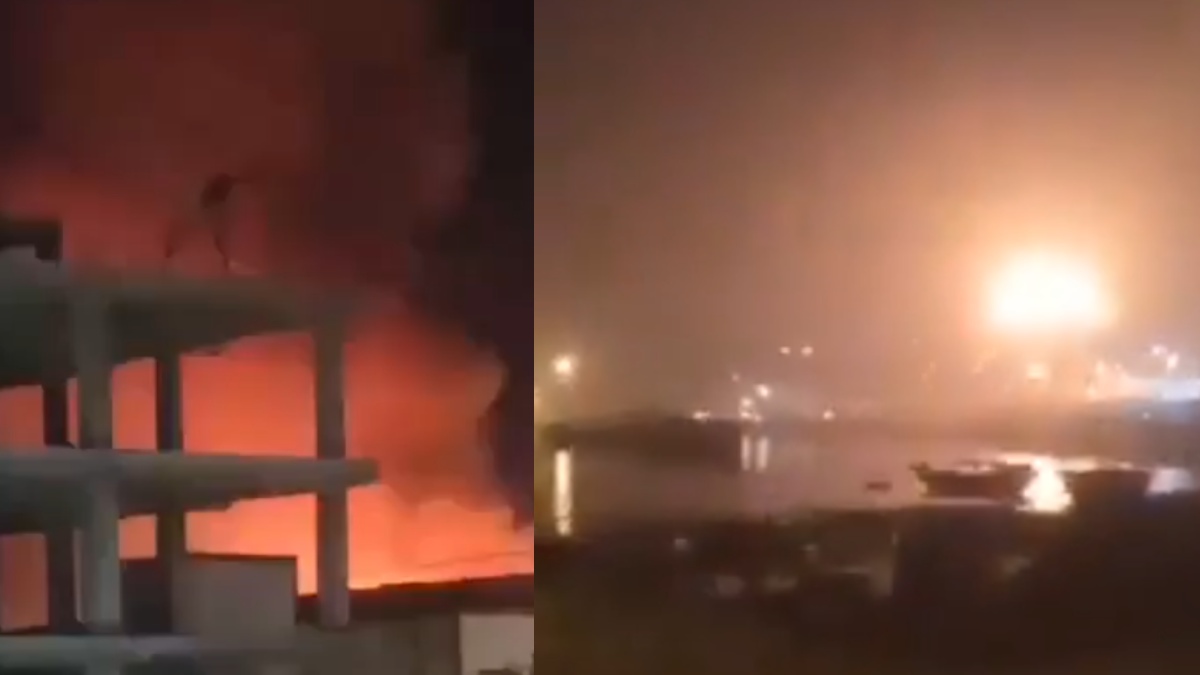
Daytime Strikes Mark Tactical Shift
Until now, US military operations against Iranian targets have mostly been conducted at night. Wednesday’s offensive is the first major daytime operation in the ongoing campaign that suggests the Pentagon has changed its strategy as hostilities continue to escalate.
In military analysts’ opinion, daytime operations may lead to better target identification and better visual proof of military capabilities, and a higher level of operational control for the military when it is in control.
The shift comes amid increasing fears that the confrontation could escalate into a broader regional conflict involving multiple actors across the Middle East.
Strait of Hormuz remains at the centre
The Strait of Hormuz continues to be the focal point of the growing clash between Washington and Tehran. About one-fifth of all oil shipments pass through the narrow waterway, making it one of the most important energy corridors worldwide.
But commercial shipping has been under attack in the region in recent weeks, with several vessels being attacked or damaged, international shipping companies reported to be worried and shipping companies have been concerned about safety.
The United States has said the latest military operation is intended to reduce Iran's ability to threaten commercial navigation and ensure the continued flow of global energy supplies through the strategic passage.
Diplomatic Efforts Collapse
The renewed military campaign comes after the US-Iran partnership fell apart. Both countries had tried to build diplomatic bridges but both sides have now fallen apart and both sides are back to the brink of war.
With negotiations stuck, Washington seems to have turned its focus to longer-term military pressure on Iran to deter the escalation of Iran’s actions in the Gulf.
But the continuation of bombing shows that the US is ready for a more sustained campaign and not just a limited response to retaliate.
US Accuses Iran of Regional Aggression
The commander of U.S. Central Command Admiral Brad Cooper accused Iran of deliberately targeting civilians and commercial shipping across the region.
According to Cooper, Iranian forces have attacked seven commercial ships in the last week with civilian casualties and launched dozens of missiles and drones towards neighboring Gulf countries.
"In the past seven days, Iran has intentionally targeted civilians across the region by attacking seven commercial ships resulting in nearly a dozen civilian crew members killed, missing, or injured. Iranian forces are also launching dozens of missiles and drones toward neighboring Gulf countries. U.S. forces are holding Iran accountable for unwarranted aggression that continues to endanger innocent lives," Cooper said.
Iran has yet to provide a detailed response to the recent round of US airstrikes.
Tensions continue to rise
The renewed threat has only raised fresh questions about stability throughout the Middle East. Now diplomatic channels are frozen and military activity is at an all-time high, we are getting closer to the point that the consequences of war could affect international shipping, energy supplies and regional security.
The shift to daytime airstrikes signals a more aggressive posture by the United States, and also signals that Washington will keep up the pressure until it believes Iranian threats to maritime security have been significantly reduced.
With both countries continuing to escalate military acts and rhetoric, we are at risk of further escalation and the world is very much monitoring the situation, because the consequences for global security and energy markets are potentially immense.