Haryana has identified more than 25,600 new tuberculosis (TB) cases through an AI-supported screening program, which is a key step in India’s fight to eradicate the disease.
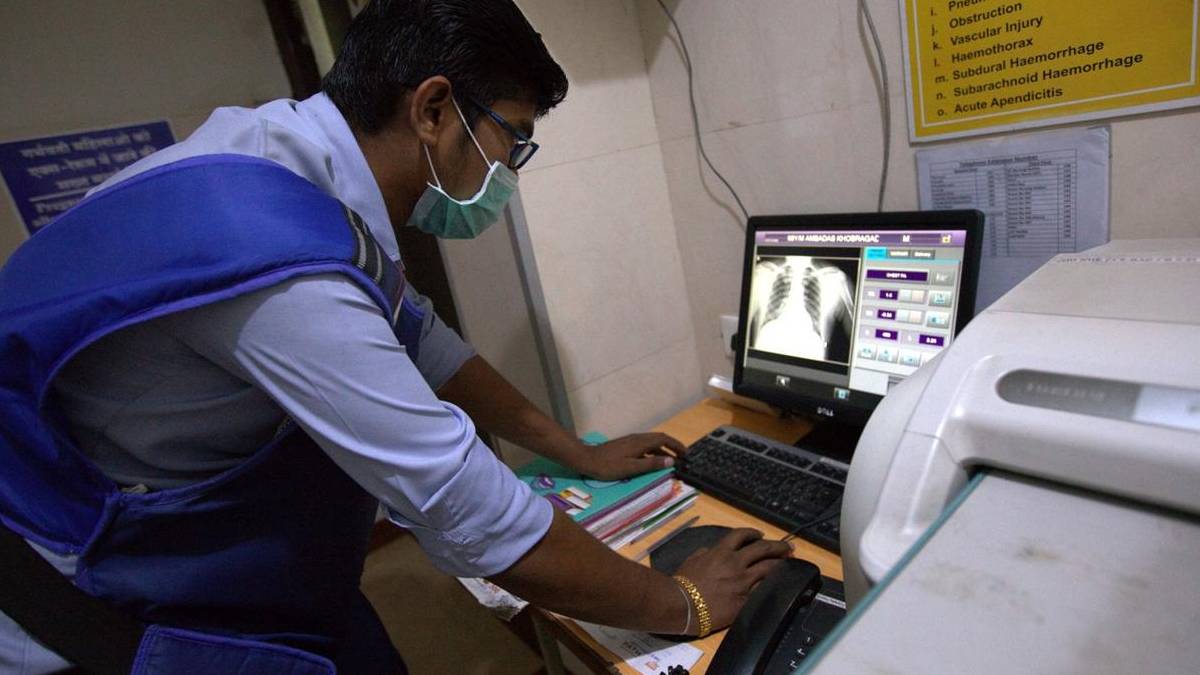
The program shows how advanced technology can speed up early detection, and help with diagnosis and treatment as well as decrease the spread of TB in communities.
Tuberculosis is still one of India’s major public health challenges even after years of awareness campaigns and treatment programmes. Early detection is critical because delayed diagnosis increases the risk of severe illness and transmission. By implementing AI in chest X-ray screening, Haryana has made progress in identifying suspected TB cases particularly in high-risk groups.
The AI-based screening system analyzes digital chest X-rays in seconds and identifies abnormalities that could indicate tuberculosis. Medical professionals then review these AI-generated findings before recommending confirmatory laboratory tests. This blending of artificial intelligence and experts in medicine aids with diagnostic delay reduction and screening efficiency.
Health officials pointed to the use of this technology in mobile screening units, government hospitals and community health centres as well. The programme has targeted vulnerable groups in the most densely populated areas, senior citizens, migrant workers, and those with respiratory illnesses. AI-assisted screening of cases has helped to better identify cases, and patients have been treated early.

The discovery of more than 25,600 new TB cases has underlined the need for technology-driven healthcare solutions. AI speeds up the screening process of the disease but also helps care workers to handle a huge number of X-rays, especially in areas where there are few radiologists available. That helps medical teams prioritize the patients who need to be treated rapidly and accurately diagnose patients with immediate assistance while being able to keep the diagnosis accurate.
The initiative is part of India’s National Tuberculosis Elimination Programme (NTEP) aimed at tackling TB as a public health issue. Digital health technologies, AI tools, and data-driven monitoring by India are increasingly being promoted to improve disease surveillance and healthcare delivery in various states.
AI-assisted TB screening could serve as a model for other states if it is implemented properly. Similar programmes have shown that AI can support healthcare professionals without taking over clinical judgment. AI is indeed a decision-making tool that enhances the efficiency and access to quality healthcare services.
Public health experts also stress that technology alone is not enough to eradicate tuberculosis. Public awareness and nutritional support, early screening and treatment adherence, and continued follow-up are also key for TB control. Patients should seek medical attention if they experience persistent cough, fever, weight loss, or night sweats.
As India gets closer to eradication of TB, Haryana’s AI-driven initiative shows how innovation can help to bring back old healthcare systems. Finding thousands of previously unknown cases means a lot more patients begin treatment earlier, which will help reduce transmission of disease and improve recovery outcomes.
This is the sort of programme that has been shown to be effective at bringing together technology and good healthcare systems in order to combat one of the oldest and deadliest infectious diseases in the country.