This is because calcium is the first nutrient we think of when we think of bone health. A healthy bone is very much about nutrition, exercise, hormonal balance and healthy lifestyle.
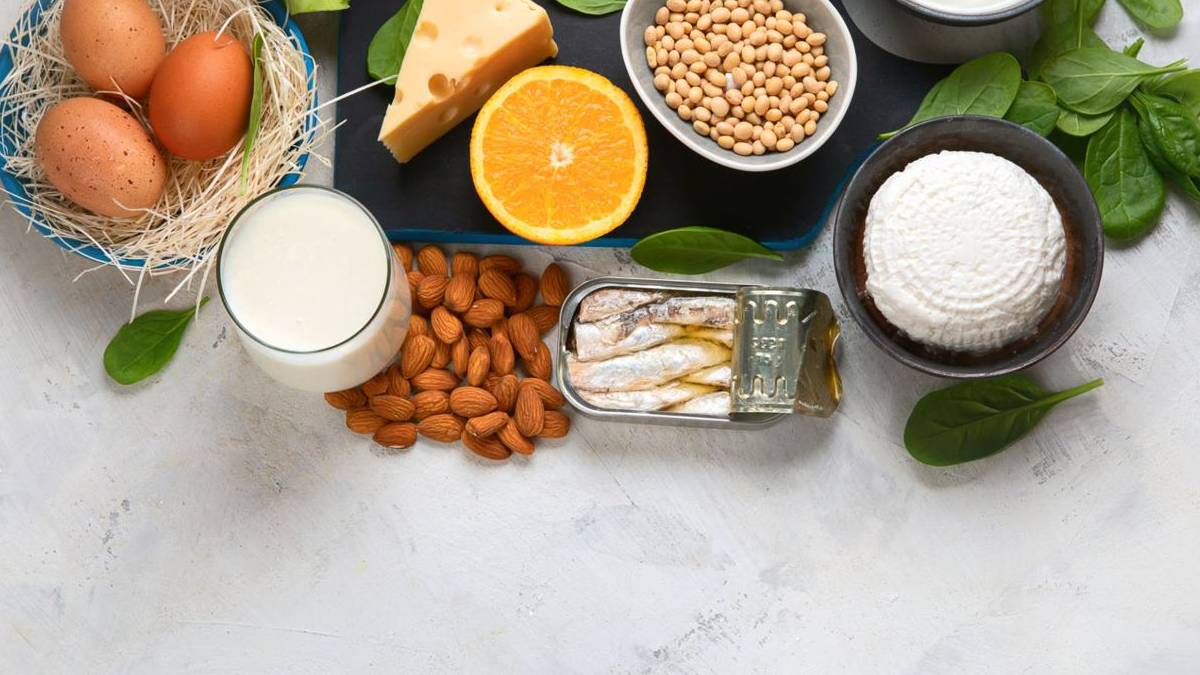
Bones are living tissues that constantly undergo a process called remodeling, in which old bone is broken down and replaced with new bone. It is never a stop and goes on. If the body is to have high bone density and strength, it needs the nutrients and conditions.
Vitamin D is important for bone health; it helps the body absorb calcium. Without enough vitamin D, even a calcium-rich diet might not get the desired results. Sunlight is still a good source of vitamin D, and fatty fish, fortified dairy products and egg yolks can also be important sources.
Protein is another important nutrient that is often overlooked. Protein is the cornerstone of bone tissue and helps build muscle strength and lower the risk of falls and fractures. Nutrition should be lean and healthy (red meat, fish, eggs, dairy products, legumes, and nuts) for adults to eat throughout the day.
Magnesium, phosphorus, vitamin K and zinc are also important to healthy bones. Magnesium is essential for bone formation, vitamin K is used to mineralize the bones and zinc is needed to repair tissue. The best diet is composed of leafy green vegetables, whole grains, seeds, fruits, dairy products and so forth.
Physical activity is also vital. Walking, jogging, dancing, climbing stairs, and strength training strengthen bone and slow age-related bone loss. Adult physical activity should be at least 150 minutes a week for adults to be physically active in moderate-intensity weight-bearing exercises muscle-building exercises and muscle strengthening exercises on multiple days.
Lifestyle habits affect bone health too. Smoking weakens bones because blood supply is compromised and bone-forming cells are weakened. Alcohol can lower calcium absorption and lead to fractures. Eating healthy food and avoiding the most processed foods with excessive salt while keeping your body weight healthy is going to help in the long run to keep bone strength strong.
Women are at greater risk of osteoporosis, especially after menopause due to lower estrogen levels. In case of bone density screenings and personalized nutrition plans, older adults and people with specific medical conditions should seek care from healthcare professionals.
Ignoring bone health in early and middle age can have long-term consequences. Osteoporosis is often unnoticed and unnoticeable until a fracture occurs. We will be far more likely to be protected against broken bones, mobility problems and loss of independence in later life if we take preventative measures in this way.
It’s beyond milk or calcium supplements that make bones strong enough, health experts say. Supplements and vitamin D, exercise, healthy eating, and regular medical check-ups are all ways to keep bone health in check.
These habits can be implemented early in life so adults can have better bones, better mobility and a better quality of life well beyond old age if the long-term health is to be achieved in the early years.