A new, extremely dangerous psychoactive substance with an air of virulence coined locally as "pink cocaine" or "tusi" (pronounced 'tu-see') is emerging across the United States, Europe and Latin America. Known for its distinctive pink hue, "Pink Cocaine," a drug often marketed as the go-to high-end party drug, presents the potential for extreme unpredictability and deadly complications to medical professionals alike.
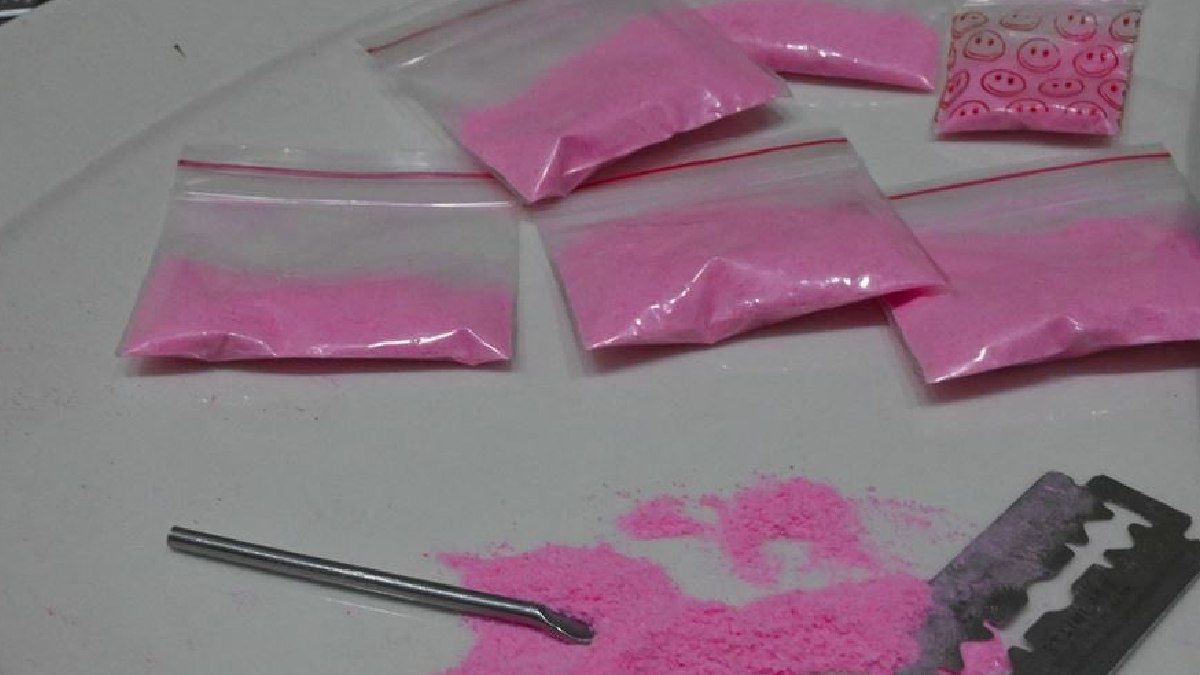
What is “Pink Cocaine” (Tusi)?
Pink cocaine, despite having a street name, is not cocaine. That name is a misnomer, probably employed by dealers to seize on cocaine’s good name while peddling a much bigger and deadly drug. Tusi is a hybrid of several synthetics, and the most common components are:
2C-B (4-Bromo-2,5-dimethoxyphenethylamine) -- a psychedelic phenethylamine that has empathogenic properties, similar to MDMA, but with more visual hallucinations. This is usually referred to as the "original" tusi.
- Ketamine: A dissociative agent that leads to hallucinations, detachment, sedation.
- MDMA (Ecstasy): A psychoactive stimulant and an empathogenic drug.
- Opioids: Typically fentanyl or its analogues, which are incredibly potent and greatly increase the likelihood of overdose.
- Methamphetamine: A potent stimulant that can cause extreme energy, paranoia and psychosis.
- Benzodiazepines: Tranquilizers that can depress the central nervous system, particularly worrisome when combined with opioids.
From batch to batch, the exact composition of “pink cocaine” varies enormously, making it highly unpredictable. This inconsistency is its dangerous characteristic as consumers can never be sure which combination of potent drugs they are taking.
Therefore, why is it Deadly?
Unknown Composition: With no standardized formula, users are still playing Russian roulette in every single dose. A batch could be mostly 2C-B, while another could be mostly fentanyl, with vastly different and often deadly effects.
- Synergistic Toxicity: When some drugs — and often mixed classes of drugs (stimulants, depressants, psychedelics) — multiply their effects can be much more lethal than that of any single drug taken in isolation. Mixing opioids with benzodiazepines, for example, can cause extreme respiratory depression and death.
- Potency of Adulterants: The addition of very potent synthetic opioids like fentanyl is among the main reasons for overdose deaths. Even a trace may be lethal.
- Misleading Look: The bright pink color with a sweet smell can make it appear less threatening, especially for younger users, whose perception is formed by its “Barbie drug” look (due to added flavorings).
Why You Don’t Find a “Cure” for That With Medics
The primary reason medical professionals find it difficult to “cure” pink cocaine intoxication is that this drug can be present as a polydrug. Unlike an overdose of one known drug, in which various antidotes (such as naloxone in cases of opioid overdose) or targeted treatments can be implemented, tusi offers a changing target:
No Single Antidote: Pink cocaine contains a wide variety of drugs, none of which would serve as universal antidotes. A patient may be having an opioid overdose, a stimulant-induced cardiac arrest, and hallucinations at the same time.
Symptomatic Treatment Only
Doctors can only treat symptoms as they come. This might involve:
- Administering naloxone if opioid is suspected.
- Benzodiazepines for seizure control and for severe agitation.
- Providing respiratory support (if breathing is compromised).
- Treating cardiovascular problems.
- Cooling the body for hyperthermia.
Diagnostic Issues
The entire range of component substances might not be revealed in rapid drug tests, which can delay optimal treatment.
Medical teams are essentially fighting many battles at the same time, the enemy not always known in full. This makes therapy sophisticated, time-consuming, and largely, tragically, futile.
Global Presence and Public Health Peril
Originating in Colombia, pink cocaine has quickly infiltrated drug markets. Investigators in the U.S. have seized it in many of the biggest cities, and European countries including Spain, the United Kingdom and Germany say cases are up. It is further spreading in Latin America, especially Mexico and Brazil, and there is also a surge in new cases of this product on the streets.
The rise of pink cocaine highlights a worrying trend in illicit drug manufacturing: the making of increasingly strong and unpredictable synthetic mixtures that leapfrog conventional drug classes and present an unprecedented threat to public health around the globe.