Indonesia is going through a change in government and politics as President Prabowo Subianto intensifies an ambitious anti-corruption campaign targeting some of the country's most powerful businesspeople and political networks. The massive raids and scrutiny of such powerful tycoons are shaking Jakarta and raising questions about how the fourth-most-populous nation will adapt to this new era of governance.
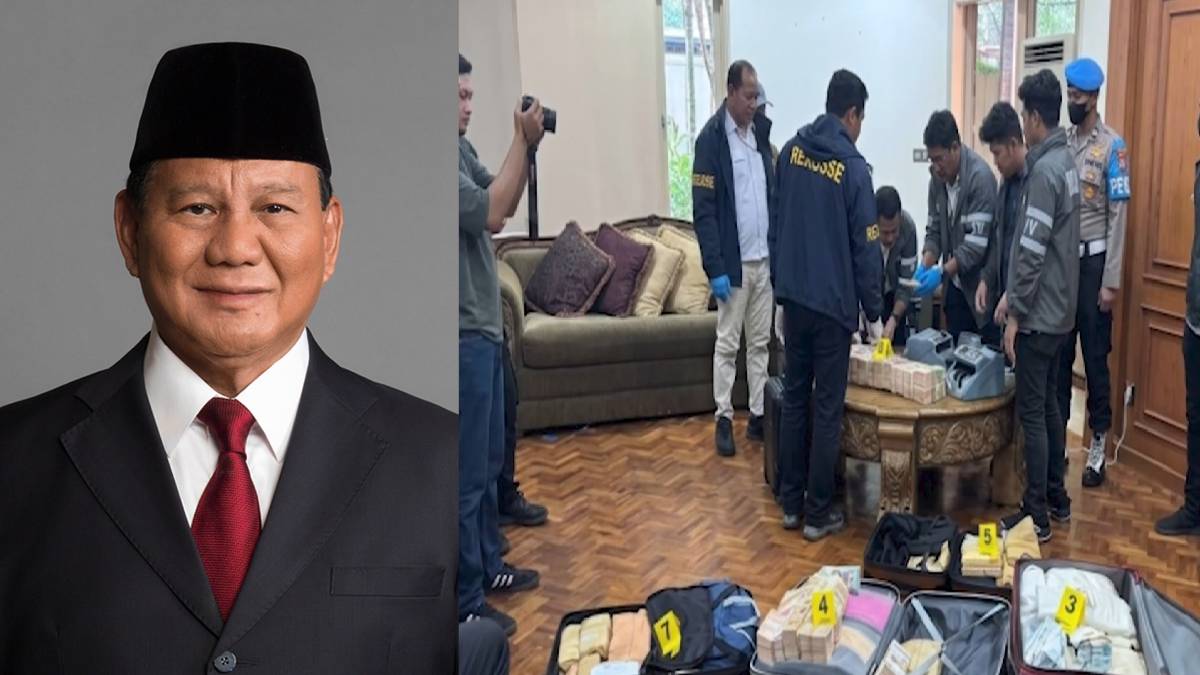
President Prabowo has stressed the need for public institutions to be strengthened, government accountability to be improved, and corruption to be stopped. His administration’s recent activity indicates a willingness to take on high-profile investigations in the interests of powerful business interests in the name of the rule of law at large.
President Prabowo's massive corruption raids and a clampdown on tycoons are shaking Jakarta. What's next for Indonesia? Join Bloomberg reporters for a Live Q&A on July 17, 2026 at 2:30pm HKT. https://t.co/ItYLM94eLc pic.twitter.com/bOHqI6e3nG
— Bloomberg (@business) July 17, 2026
Supporters say the crackdown also demonstrates the government’s commitment to rooting out corruption regardless of status or influence. They believe stronger enforcement can improve public trust, strengthen institutions, and create a more transparent business environment that attracts long-term investment.

At the same time, the campaign has created uncertainty in Indonesia’s corporate sector. Business groups, investors, and financial markets are closely watching things to see if stricter regulation and oversight might affect the industries from mining and infrastructure to finance and manufacturing.
Indonesia’s economy is one of Southeast Asia’s best, with a huge consumer market, abundant natural resources, and increasing foreign investment. Nickel is at the heart of the world's supply chain, especially in electric vehicle batteries and clean energy technologies.
Many analysts believe that if the anti-corruption campaign is carried out transparently and consistently under the established legal frameworks, it can be beneficial to Indonesia’s investment environment in the long run. Accountability and good governance may foster confidence in investors; the uncertainty about regulation and fair competition in Indonesia will result in increased transparency and less regulatory uncertainty in the business environment.
However, for some observers, aggressive investigations involving big corporations and influential people can give rise to short-term volatility. Businesses may delay investment decisions while awaiting greater clarity on regulatory policies and enforcement priorities.
In addition to economics, the crackdown is also a political test for President Prabowo’s administration. A successful balance between firm anti-corruption measures and legal due process, institutional independence, and economic stability will be critical for public confidence in the government’s reform agenda.
Indonesia has led the way in anti-corruption reforms for decades, with institutions to pursue financial crime and public sector misconduct. The current campaign seems to indicate that this is going to expand those efforts and keep government governance goals.
The international community is watching developments closely because Indonesia is not only a major economy in Southeast Asia but also now an important member of the G20 and a significant geopolitical player within the Indo-Pacific region. Jakarta's policy changes impact regional trade, investment, and diplomatic relations.
For Indonesia in the future, many factors will shape its trajectory: consistency in enforcement, judicial outcomes, business confidence, and the government's ability to maintain economic growth while implementing governance reforms will shape Indonesia's prospects going forward. Transparency and consistent policymaking will likely be key to ensuring that ongoing anti-corruption efforts have a sustainable impact on institutional change.
As President Prabowo campaigns on, Indonesia is at a crossroads. In the coming weeks and months, we will see if the current fight against corruption will help in the development of governance and investor confidence and, if not, whether there will be new political and economic problems. Whatever the answer, the developments are going to shape Indonesia for years to come.