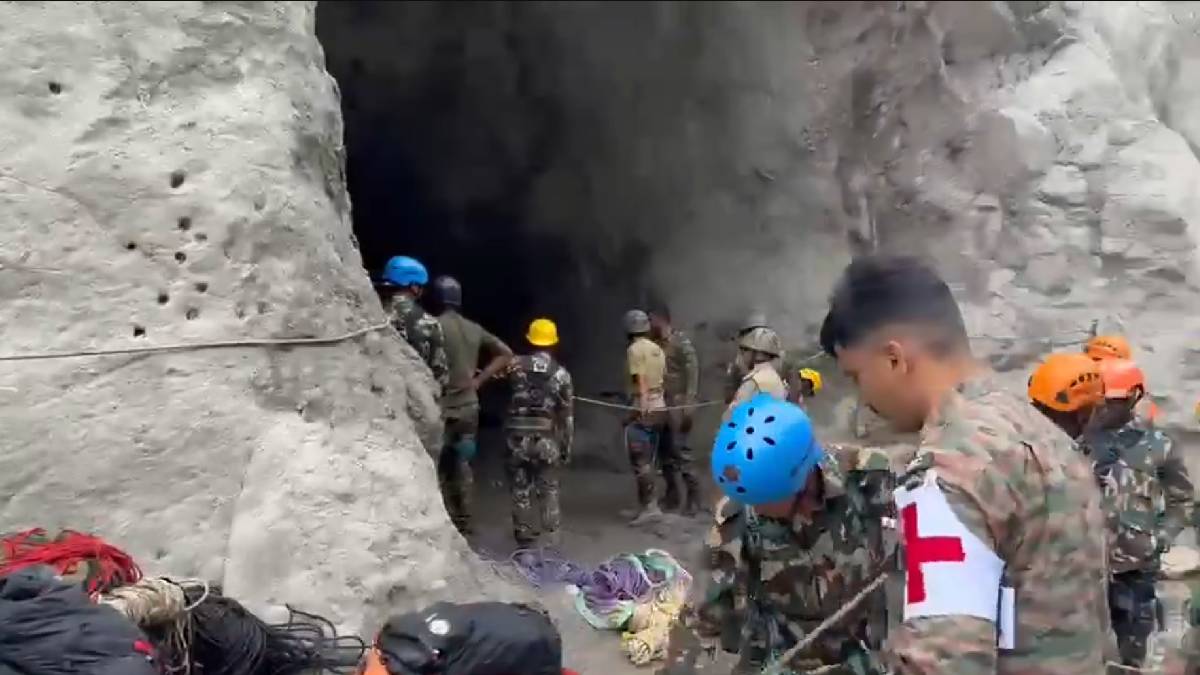
In the same way that work on India’s first river-linking project is in progress, there is a far larger movement in Madhya Pradesh's Chhatarpur district as well. Far from the engineering plans and irrigation promises, hundreds of tribal families are holding symbolic protests that highlight their increasing fears of displacement, loss of livelihood and an uncertain future.
At the heart of the agitation is the Ken-Betwa River Link Project—a Rs 44,605-crore project that will transport excess water from the Ken River to Betwa River basin, with a total of 10.62 lakh hectares of farmland, drinking water for nearly 62 lakh people and 130 MW of hydroelectric power to generate. It is also one of India’s most ambitious water infrastructure projects.
But for many tribal communities living in the affected villages, the project represents a different reality—one of relocation, incomplete rehabilitation and loss of ancestral land.
Symbolic Protests Draw National Attention
So that the protest has attracted attention as villagers are protesting more powerful and peaceful methods.

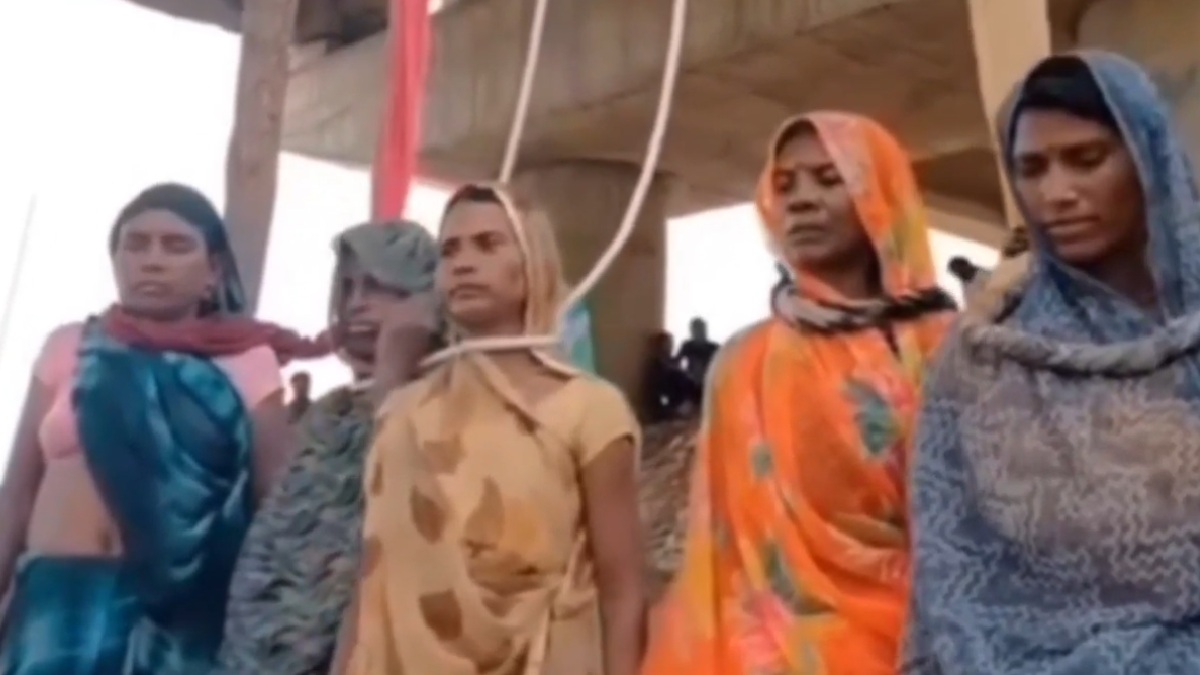
In the latest phase, tribal women have placed symbolic nooses around their necks as part of what they call Phansi Satyagraha. The demonstration is meant to show that they have been left with little hope if rehabilitation is not completed prior to displacement.
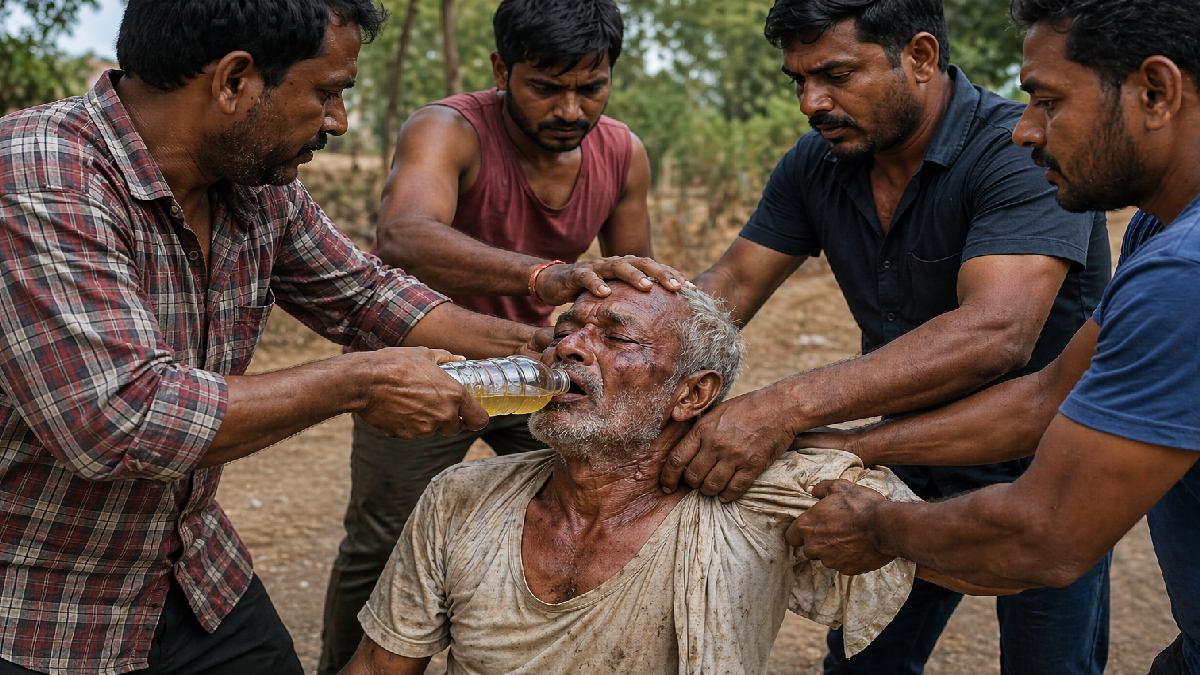
Earlier stages of the movement were "Chita Satyagraha," when villagers laid on symbolic funeral pyres to express that they had effectively “lost their lives” after losing their homes and farmland. This was followed by "Mitti Satyagraha," when protesters covered themselves with soil to highlight their deep connection with the land.
Another well-known protest, “Jal Satyagraha,” saw villagers standing for hours in the waters of the Barana River, illustrating the irony of being displaced by a project based on water resources.
Together these demonstrations have become symbols of the more general debate about development and displacement.
Protesters Demand Fair Compensation
The agitation is led by Jai Kisan Organisation leader Amit Bhatnagar, who has been on an indefinite hunger strike.
The protesters say authorities have taken possession of agricultural land without paying full compensation, despite the Right to Fair Compensation and Transparency in Land Acquisition, Rehabilitation and Resettlement Act, 2013.
Villagers also claim that many of those affected families have been left out of official rehabilitation lists, and electricity disconnections, eviction notices and police cases have been brought about by those who object.
One of their main demands is greater transparency. Protesters want complete beneficiary lists to be made public in every affected village so that displaced families are not left out of rehabilitation.
They also say dam construction should not be permitted until all rehabilitation measures are done.
Tribal Women Take The Lead
Women are now the face of the protest.
From participating in Jal Satyagraha to leading relay hunger strikes and wearing symbolic nooses, tribal women have played a central role in the agitation.
For many of them, forests, rivers and farmland are more than economic resources. They are cultural traditions, community life and ancestral identity which cannot simply be replaced with money.
And in that way they have transformed a land acquisition dispute into a movement for dignity, identity and the right to live in ancestral land.
Political Attention Grows
As the agitation entered its second week, it was drawing political attention.
Umang Singhar, leader of opposition, visited the protest site and spoke to displaced families and rallied support for their cause. He also questioned the administration over allegations that protesters had been intimidated and highlighted the lack of basic facilities (water, food and medical assistance) at the demonstration site.
Singhar proposed forming a joint committee of government officials and representatives of the Jai Kisan Organisation to examine issues related to compensation and rehabilitation.
Administration Defends Rehabilitation Process
The Chhatarpur district administration has rejected allegations that affected families have been ignored.
District Collector Parth Jaiswal said officials in Chhatarpur and neighbouring Panna district have been holding discussions with protesters to address their concerns.
Many of the demands raised during earlier protests were already answered, said the administration. Madhya Pradesh Cabinet also decided to enhance the rehabilitation package, officials said, adding that more demands are being raised now, despite previous concessions.
Development Versus Displacement
The Ken-Betwa River Link Project has long been projected as a solution to water scarcity in the Bundelkhand region and a model for future river-linking projects throughout India.
But for tribal communities who live in villages near the site of the project, the debate is far beyond canals, irrigation and electricity generation.
For true rehabilitation to be successful, they say, livelihoods, community networks and cultural identity are crucial—and not money.
As talks go on between the administration and the protesters, the images that have emerged from Chhatarpur—tribal women wearing symbolic nooses, villagers in river waters and families sitting on symbolic funeral pyres—have become a potent reminder that large infrastructure projects have a deep human impact.
The outcome of the Ken-Betwa dispute will shape not only the future of India’s first river-linking project but also the debate around how development must go hand in hand with the rights and rehabilitation of the communities that are most impacted by such megaprojects.