Moscow: Russia is preparing for a possible escalation of its war against Ukraine after concluding that efforts to negotiate a peace agreement have effectively reached a dead end, people familiar with the Kremlin's thinking say.
Three people close to the Kremlin said Moscow is considering intensifying its traditional military strikes against Ukraine, among them a more powerful ballistic missile attack on Kyiv and strikes against critical infrastructure in other Ukrainian cities.
The development comes as diplomatic efforts to end the war appear to have stalled. Russia no longer believes economic pressure, sanctions or Ukrainian attacks on Russian territory will force President Vladimir Putin to abandon his war objectives, according to people close to the Kremlin.
Moscow Weighs More Conventional Strikes
Russia believes that the current level of fighting is not the highest level of possible military escalation. Moscow has increasingly understood Ukrainian attacks on Russian refineries, logistics facilities and other strategic targets to be supportive of NATO countries given the weapons, intelligence and other assistance that have been given to Ukraine by Western allies.
Putin himself appeared to signal a possible response in recent comments to Russian state television. Speaking to Ukraine’s attacks on Russian economic infrastructure, the Russian president said Kyiv had “opened this Pandora’s box” and warned that it should be prepared for “blowback” against sensitive sectors of its economy.
The comments have raised fears that Russia may expand its missile and drone campaign. Kyiv and other Ukrainian cities have been targets of attacks on energy and other critical infrastructure and Ukraine has intensified strikes on Russian military and economic assets.
Peace Efforts Lose Momentum
The US-led efforts to broker an end to the conflict have so far failed to achieve a breakthrough. Negotiating frameworks that had raised hopes of progress have effectively stalled, and the two sides have many of the same disagreements that have prevented a settlement.
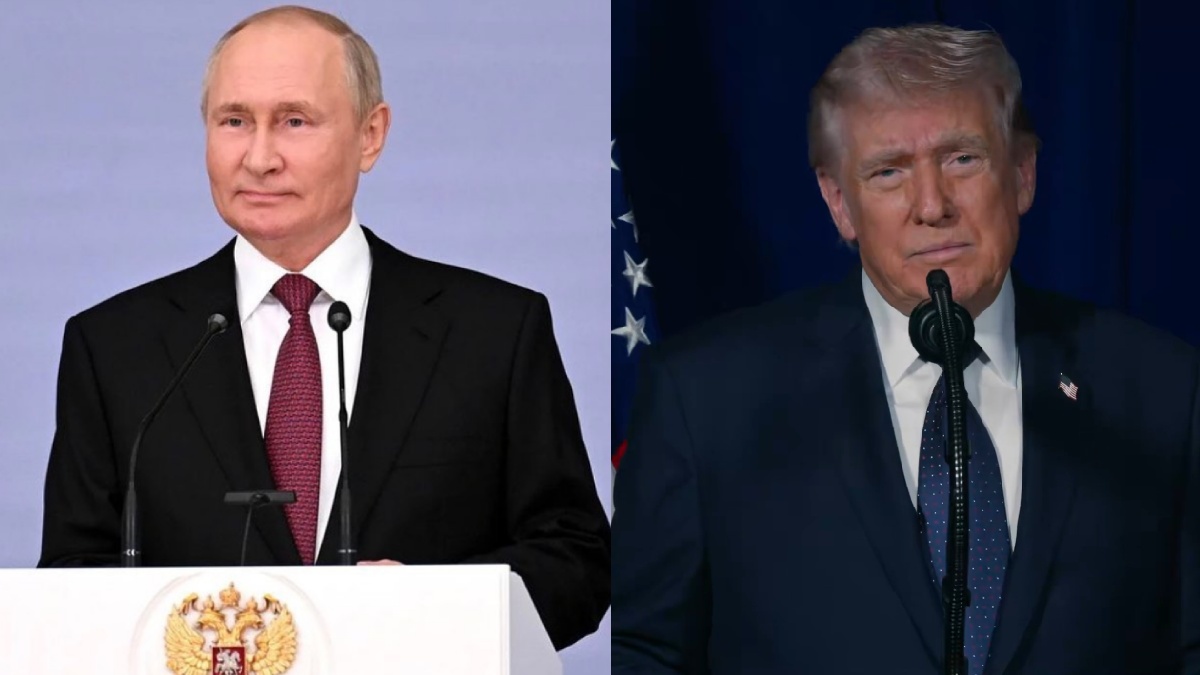
The Kremlin had placed great importance on what it saw as an agreement reached between Putin and Trump at the first meeting in Alaska last August. Moscow had feared that the United States would pressure Ukraine to make territorial concessions, including giving up parts of the Donetsk region.
Ukraine has consistently rejected the demand. Russian forces have also failed to capture the heavily fortified belt of cities in Donetsk that has remained a key focus of fighting since the conflict began.
US Secretary of State Marco Rubio has said that Washington does not believe the issue is settled. After talks with Russian Foreign Minister Sergei Lavrov, Rubio said new ideas would be needed to move negotiations forward.
US Officials Maintain Diplomatic Contacts
Despite the diplomatic stalemate, contacts between Washington and Moscow have not stopped. CIA Director John Ratcliffe reportedly traveled to Moscow for talks with Russian officials, but the talks are not clear.
There have also been hopes that US envoys Steve Witkoff and Jared Kushner could travel to Moscow after a long pause in high-level engagement. A visit to Kyiv has also been discussed, but no firm dates have yet been made.
People close to the Kremlin said Moscow hopes the US envoys could bring fresh proposals but has very limited expectations that the next round of diplomacy will lead to a breakthrough.
It is said that Russia believes it has already made compromises during the war and that previous concessions weakened Russia's negotiating position. Consequently, Moscow seems to be looking more and more likely to use military pressure rather than diplomacy to achieve its goals.
Ukraine And Russia Intensify Strikes
The escalation of military activity has extended beyond the battlefield. Ukraine has targeted Russian oil refineries and logistics networks and fuel disruptions have been reported in parts of Russia. Attacks on warehouses belonging to major e-commerce companies have also been seen to have serious impact on commercial infrastructure.
Russia continues missile attacks against Ukrainian cities and infrastructure. Ukraine's air defence system is short of interceptors, which makes it difficult to protect power and heating infrastructure in the face of continued Russian assault.
The two sides have also intensified attacks on commercial vessels and ports in the Black Sea. That has raised concerns about the impact on global grain markets, particularly because Russia and Ukraine are two of the world’s largest wheat exporters.
Nuclear Concerns Grow, But No Immediate Sign Of Use
The increasingly intense conventional conflict has also revived talk about the possibility of Russia using tactical nuclear weapons eventually. Some Russian officials and hawks have become more vocal about such an option as the war continues without a decisive outcome.
But there is no indication that Russia is preparing to use a nuclear weapon in Ukraine. Tactical nuclear weapons have shorter ranges and generally lower yields than strategic nuclear weapons, but their use could still lead to catastrophic casualties, widespread contamination and a major global crisis.
Russia has frequently used nuclear rhetoric throughout the war, often warning Western countries against deeper involvement in support of Ukraine. Analysts have warned against taking every nuclear threat as a sign of an imminent decision to use such a nuclear weapon.
Alexander Gabuev, head of the Carnegie Russia Eurasia Center, said that the likelihood of Russia crossing the nuclear threshold is very low since conventional weapons still provide Moscow with considerable room for escalation. Because tactical nuclear weapons would not be very effective in a modern, dispersed battlefield, he said, and the political consequences of breaking the nuclear taboo would be very high.
Russia's major partners have also reportedly warned against such a move. China has expressed opposition to the use of tactical nuclear weapons in Ukraine, while India has also kept pressure on Moscow to stay away from further escalation.
War Enters A Dangerous New Phase
Russia is now in a state of full-scale war that has now become far beyond Moscow’s initial hopes of winning a quick victory. Mass casualties, massive destruction and repeated diplomatic work have failed to produce a lasting settlement.
And with negotiations suspended and both sides continuing attacks on each other’s territory and infrastructure, the risk of further conventional escalation is a big concern.
For Moscow, military pressure appears to be the preferred option as long as diplomatic efforts fail to produce an agreement to satisfy the Kremlin. For Kyiv and its Western partners, the challenge is to keep Ukraine’s defence and keep the war going, to prevent the conflict from growing deeper.
The immediate focus is likely to remain on whether Washington can revive negotiations and if Moscow is ready to accept a new diplomatic framework. That is, until then, the Kremlin’s clear willingness to escalate conventional attacks will make the next stage of war more dangerous.