A simple wildlife count in Queensland in 1965 has since become a vital record of how quickly human activity can push a bird population toward collapse and how conservation can help it recover.
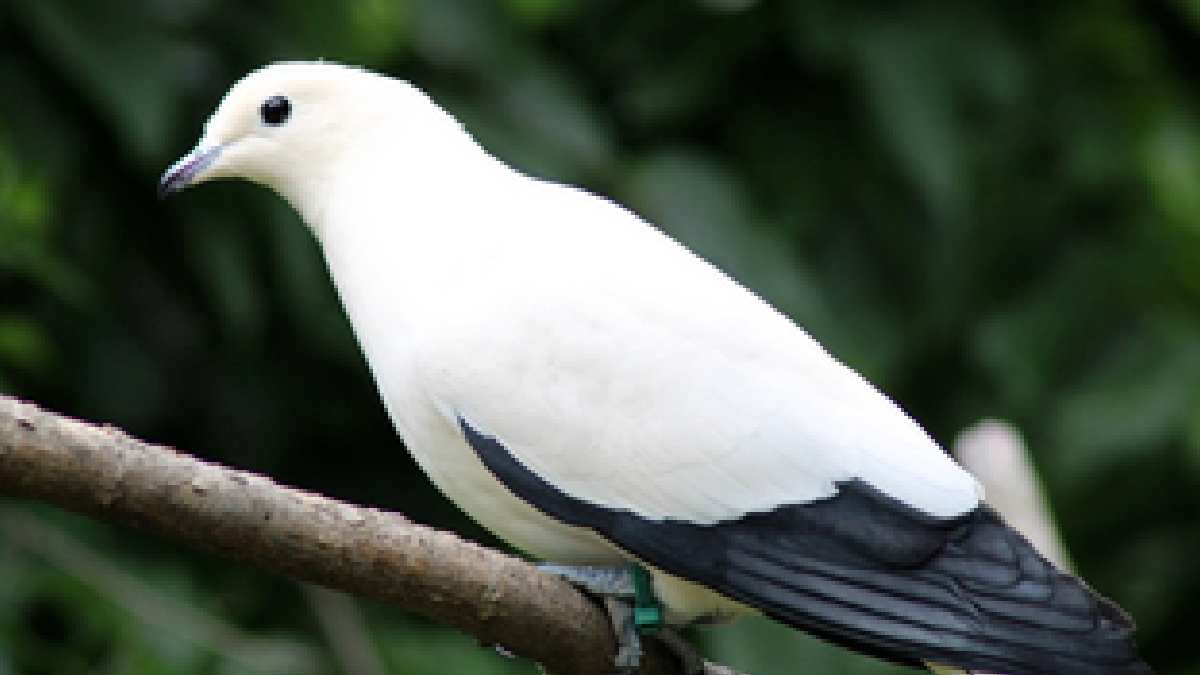
The story is based on the ‘pied imperial-pigeon’, a striking black-and-white bird that breeds on islands along Queensland’s Great Barrier Reef. Pigeons migrate between offshore islands and the mainland every year and feed in coastal forests.
Arthur and Margaret Thorsborne started counting birds returning to North Brook Island in 1965, in Queensland, near Cardwell. In the breeding season 1965-66 their first count was 4,692 pigeons but the numbers soon began to drop rapidly.
By 1968-69, only 1,451 birds were counted in the season a drop of about 69 per cent in three years. Scientists later found the collapse was largely due to large-scale hunting at birds’ nests.
Hunters could kill hundreds and sometimes up to about 1,100 pigeons at a time, according to some reports.
The decline highlighted the species’ vulnerability. The pigeons traveled in large groups between their island breeding sites and mainland feeding sites, so they might be easy targets for hunters.
The situation was different when the big-scale shooting stopped in 1968 and indiscriminate hunting started to decrease the next decade. Annual counts were beginning to document an extraordinary turnaround.
By the mid-1970s, more than 9,000 pigeons were counted on their return to North Brook Island. Studies over the years would show that the population continued to grow, with almost 30,000 birds in the 1992-93 season alone. Counts generally stayed in the tens of thousands for a few years after that.
The monitoring project also demonstrated the value of long-term citizen science. What started as a count by two local conservation-minded volunteers became one of Queensland’s longest-running wildlife monitoring efforts.
Queensland Parks and Wildlife Service later organised and funded the surveys and volunteers and local communities continued to participate.
The birds have also been affected by habitat loss and major weather conditions. Cyclone Yasi in 2011 disrupted the pigeons’ island breeding area and mainland feeding sites and dropped numbers temporarily.
Scientists recorded 5,311 birds in the 2011-12 season before numbers rose to more than 21,000 the following year.
The six-decade history is a powerful conservation lesson wildlife populations can drop quickly when pressure from humans is high, but long-term conservation efforts for protection and monitoring can mean recovery is possible.
Great numbers of thousands of pigeons and a history of decline, protection and recovery from them began in 1965 by a count, creating a remarkable historical record of decline and recovery in Queensland’s wildlife.