A rabies warning was issued in North Carolina because several baby goats at a mobile petting zoo tested positive for the potentially deadly viral disease. Health officials say they were likely exposed by a skunk that entered their enclosure during a late July visit to Farm Adventures in Harmony, North Carolina, where they were kept in an enclosure at a livestock petting zoo after their enclosure at the Farm Adventures in Harmony, North Carolina, where they were born and raised.
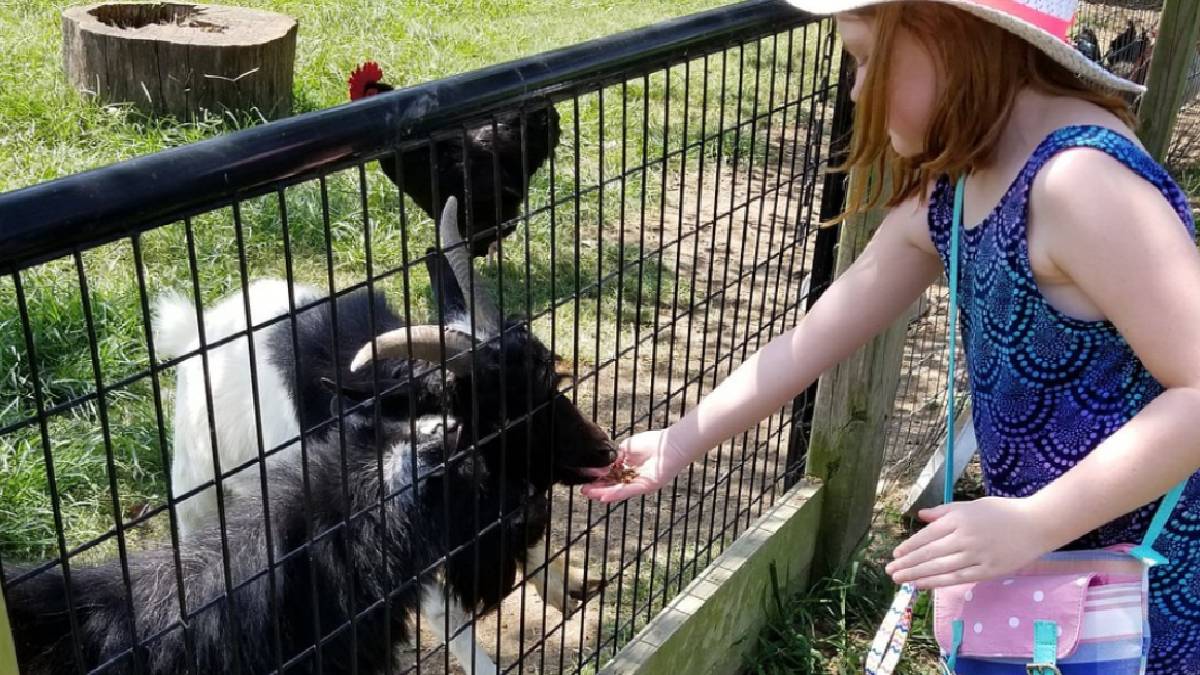
The North Carolina Department of Health and Human Services (NCDHHS) confirmed three baby goats tested positive for rabies at the North Carolina State Laboratory of Public Health on August 28. The fourth goat was not tested but is suspected to have been infected. The infected animals were later euthanized as officials sought to contain the potential exposure.
Health officials said the skunk entered the pen where the young goats were being kept in late July. The goats were kept separately from other animals, and the skunk may have exposed them to the rabies virus, they said. The case was not immediately identified as a rabies exposure, and the goats did appear later at the mobile petting zoo location and many off-site events.
The potential exposure period is from July 28 to August 27, 2026. Anyone who touched or handled the baby goats during that time period (at Farm Adventures' Harmony location or at one of its mobile events) has been advised to contact their local health department. Prevention medication, called post-exposure prophylaxis, will be evaluated.
The mobile petting zoo was seen in different parts of North Carolina. Possible exposure events are in Iredell, Mecklenburg, Davidson, Watauga, Burke, Davie, and Durham counties. Some events did include children and older adults who might have had close contact with the young goats.
Health officials are warning that rabies may be transmitted when saliva from an infected animal enters broken skin or the eyes, nose or mouth. While livestock transmission is less common than exposure to infected wildlife, close contact with baby goats—whether bottle-feeding, holding or cuddling them—can make them more exposed.
Importantly, officials said, there have been no human cases linked to the incident, and no reported human rabies cases have been reported in North Carolina since 2011. Rabies is almost always fatal if symptoms develop, and if possible, a medical evaluation is important for any potential exposure, they said.
NCDHHS has determined, based on available information so far, that the other animals at the farm do not pose a known rabies exposure risk to people. The rest remain under quarantine but are being monitored and taken out of the system as the investigation continues.
People who believe they may have been in contact with the goats should contact their local health department before going to an emergency department or urgent-care facility. Health officials can assess the situation and decide whether rabies preventive treatment should be given.
The incident serves as another reminder of the risks posed by rabies in wildlife. North Carolina health officials say the disease is most frequently detected in wild animals such as skunks, raccoons, bats and foxes. More than 4,000 animals were submitted for rabies testing in the state in 2025, and roughly 6% of them were positive.
The petting zoo exposure investigation is still ongoing, and officials have said that more exposure locations or information could be released as the investigation continues.